Ministry of Health & Hospital Tenders: The Ultimate Technical Dossier & Certificate Checklist for 2026
How African medical suppliers and tenderers structure winning technical bids for Central Medical Stores, KEMSA, and national hospital tenders.

Entering high-growth healthcare markets in Africa, the Middle East, and Latin America offers medical distributors lucrative margins and multi-year hospital supply contracts. However, national regulatory authorities—such as NAFDAC in Nigeria, PPB in Kenya, EDA in Egypt, SFDA in Saudi Arabia, and SAHPRA in South Africa—have enacted stringent pre-market registration dossiers and post-market surveillance laws to prevent substandard medical imports. A single missing document (e.g., non-apostilled Free Sale Certificate, outdated ISO 13485 audit report, or unvalidated stability data) results in painful customs quarantine, port demurrage penalties, and months of tender delay. This guide provides international importers, healthcare distributors, and export compliance officers with an authoritative, step-by-step regulatory blueprint to register Class I, II, and III medical devices and surgical consumables directly from India.

The definitive blueprint for medical importers and global distributors to navigate national drug regulatory authorities, prepare technical dossiers, and achieve fast-track customs clearance without inspection delays.
Medical device registration is governed by risk-based classification frameworks (Class A/I: Low risk, Class B/IIa: Low-moderate risk, Class C/IIb: Moderate-high risk, Class D/III: High risk). While Class I items (e.g., non-sterile surgical drapes, manual hospital beds) follow simplified notification procedures, sterile consumables (e.g., surgical blades, sutures, IV cannulas) and electro-medical systems require comprehensive Technical Dossiers.
At Manshav Impex, our dedicated regulatory compliance division pre-compiles complete Common Technical Document (CTD) dossiers, legalized apostille certificates, and batch testing certificates to fast-track market approvals for our overseas distribution partners.
The matrix below compares registration pathways, required Local Authorized Representatives (LAR), typical approval timelines, and document legalization standards across top import markets.
| Country & Regulatory Authority | Online Submission Portal | Local Entity Requirement | Typical Approval Timeline | Key Mandatory Pre-requisites |
|---|---|---|---|---|
| Nigeria (NAFDAC) | NAPAMS (Portal.nafdac.gov.ng) | Licensed Nigerian Local Authorized Representative (LAR) | 60 to 90 Days | Apostilled Power of Attorney, Certificate of Free Sale (FSC), Clean Report of Inspection (CRIA) |
| Kenya (PPB - Pharmacy & Poisons Board) | PRISM System (Prism.pharmacyboardkenya.org) | Licensed Kenyan Pharmacist / Medical Distributor (LAR) | 45 to 75 Days | ISO 13485:2016, CE Mark, FSC, Clinical Evaluation Report (CER), EAC-harmonized dossier format |
| Egypt (EDA - Egyptian Drug Authority) | EDA Medical Portal | Registered Egyptian Scientific Office or Local Distributor | 90 to 120 Days | Legalized Free Sale Certificate by Egyptian Embassy, ISO 13485, Arabic language artwork labels |
| Saudi Arabia (SFDA) | GHAD Portal (Ghad.sfda.gov.sa) | Saudi Authorized Representative (AR) with MDMA License | 30 to 60 Days (Fast-track with CE/FDA) | Medical Device Marketing Authorization (MDMA), ISO 13485, UDI barcode compliance |
| South Africa (SAHPRA) | SAHPRA Medical Device Unit | Licensed Medical Device Importer / Distributor in South Africa | 60 to 90 Days | SAHPRA Section 22C Establishment License, CE / ISO 13485 proof of conformity |
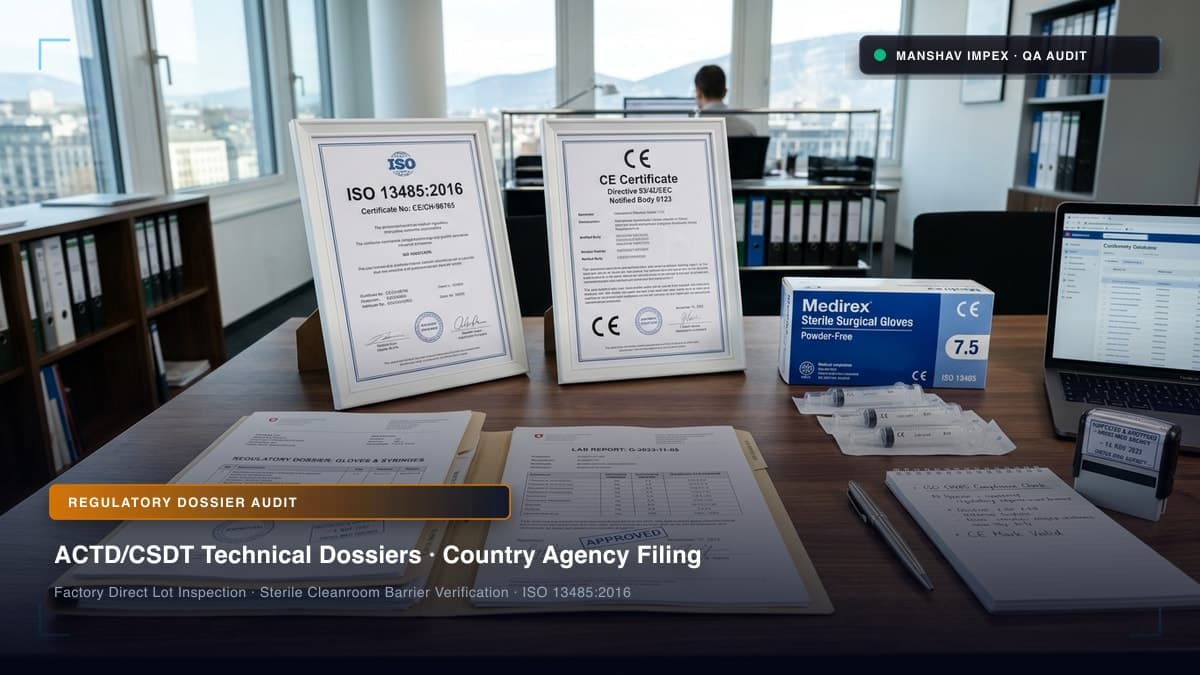
To avoid regulatory deficiency queries and inspection hold-ups, every medical product dossier must contain the following eight audited document modules:
Regulatory Approval Lead Time vs. Dossier Completeness (Days)
Comparative approval lead times across African & Middle Eastern National Regulatory Authorities
Beyond registration, many African nations enforce mandatory destination inspection programs to combat counterfeit goods: Nigeria requires the Clean Report of Inspection (CRIA / SONCAP), Kenya enforces Pre-Export Verification of Conformity (PVoC / CoC), and Ghana enforces the GSA Conformity Assessment Program. Consignments shipped through Manshav Impex are pre-inspected by accredited agencies (SGS, Intertek, Bureau Veritas, Cotecna) prior to vessel loading at Port Mundra or Nhava Sheva, guaranteeing zero port delays.
Manshav Impex prepares and legalizes customized regulatory registration dossiers in under 10 business days for all contracted exclusive distributors and government tender bidders.
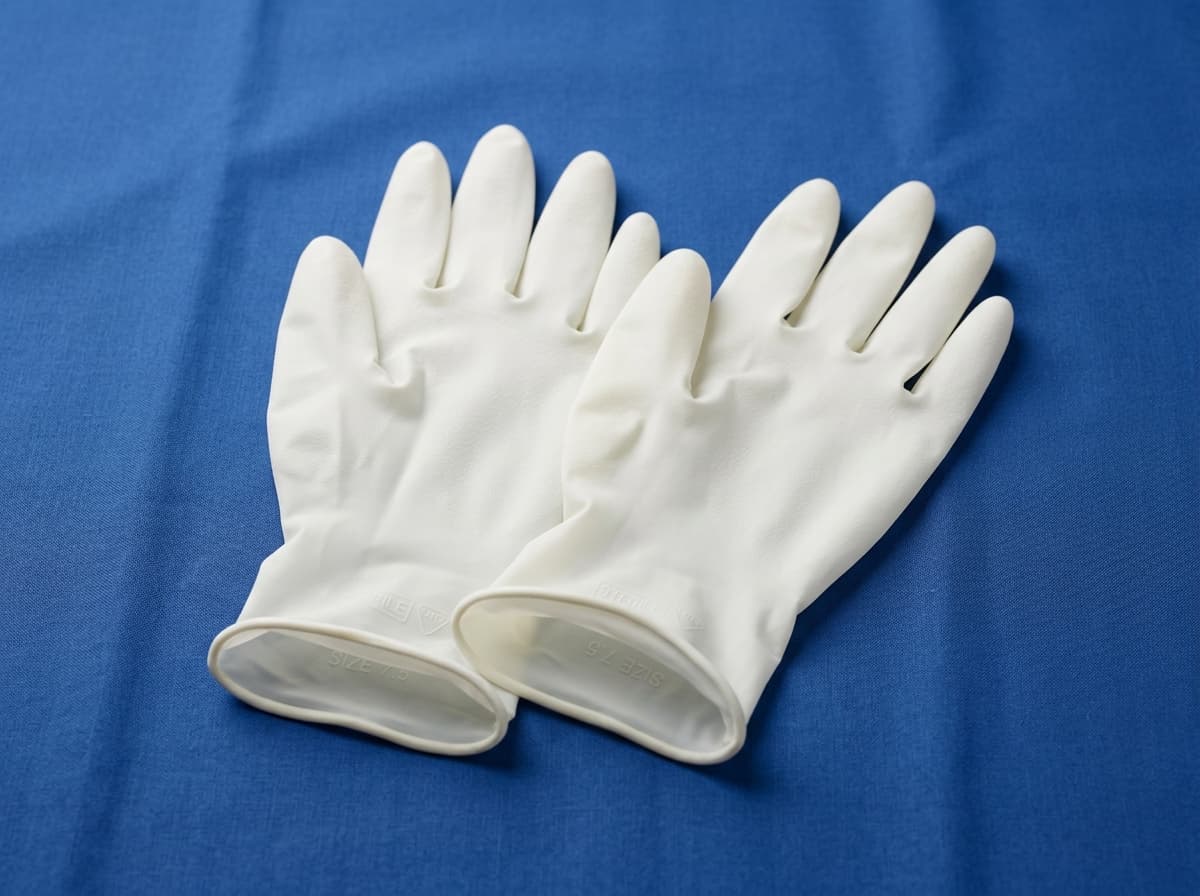
Pre-donned sterile natural latex surgical gloves with curved anatomical fingers, micro-textured anti-slip finish, beaded cuff, available in powdered and powder-free polymer coated grades. Container consignments dispatched from Port Mundra & Port Nhava Sheva, with certificates and test reports shared with every quotation.
Most regulatory authorities consider an FSC valid for 2 to 3 years from its date of issuance by the Indian licensing authority, provided the underlying manufacturing license and ISO 13485 certifications remain active.
A CRIA (Clean Report of Inspection and Analysis) is a mandatory pre-shipment document issued by NAFDAC-approved independent inspection agencies (e.g., Clean Report agents) in India certifying that the physical pharmaceutical or medical device shipment matches registered lab specifications.
Yes. We support full OEM private label registration, providing you with tailored Technical Files, customized packaging artwork, and manufacturing authorization letters naming your company as the brand owner.

How African medical suppliers and tenderers structure winning technical bids for Central Medical Stores, KEMSA, and national hospital tenders.
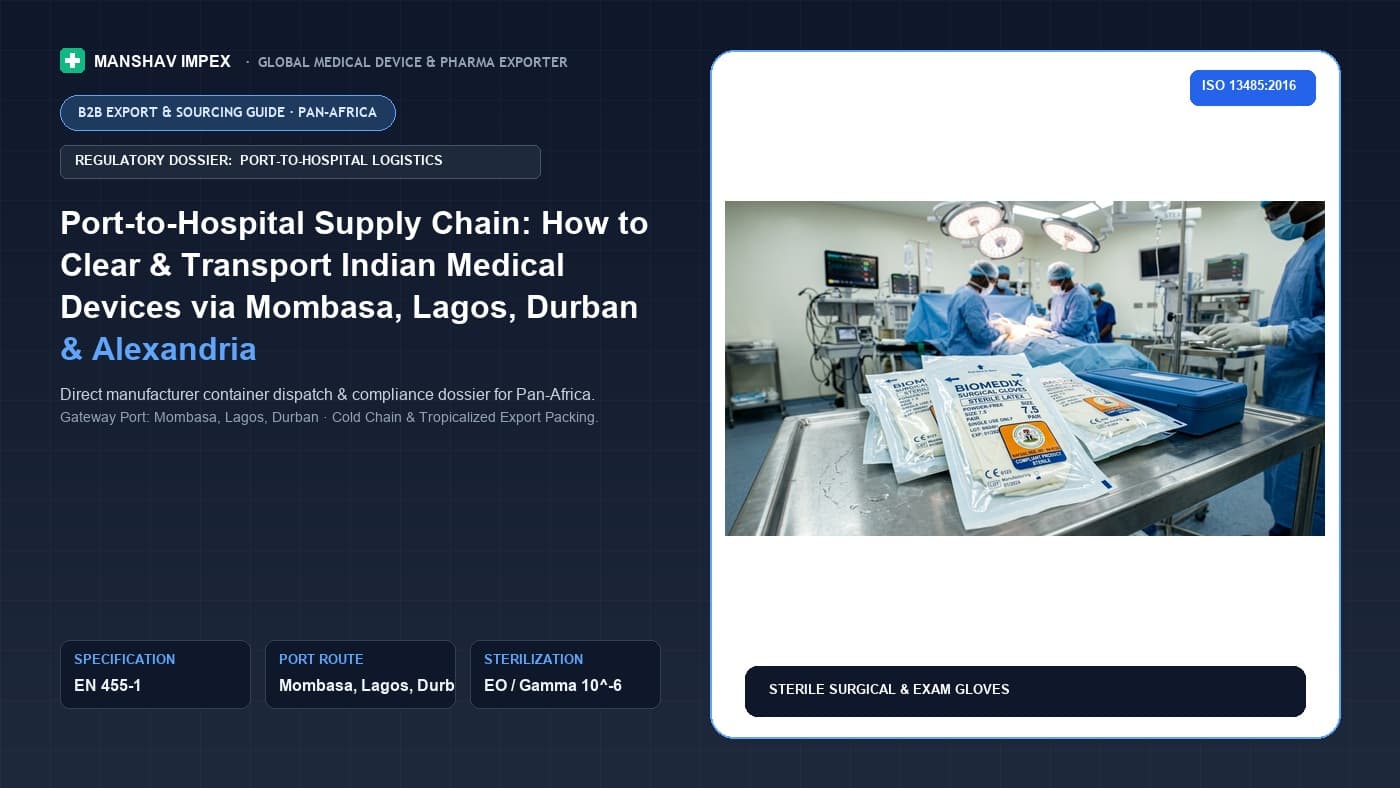
How to avoid costly port demurrage, navigate pre-shipment inspections, and safeguard sterile consumables during ocean transit to African destinations.

A deep clinical and logistics breakdown of the 7 essential surgical items driving 80% of hospital consumable import volume across African healthcare facilities.