Landed Cost Calculation Model for Importing Medical Disposables from India
A step-by-step mathematical landed-cost calculation framework for CFOs, buyers, and import directors purchasing medical consumables from India.

A medical distributor bidding on public tenders under the Instituto Mexicano del Seguro Social (IMSS) or supplying private hospital groups like Ángeles and Star Médica in Mexico cannot afford regulatory delays. Sourcing high-volume medical consumables from India delivers significant landed-cost savings, but only when technical dossiers conform strictly to the Federal Commission for the Protection against Sanitary Risks (COFEPRIS). Understanding the documentation, bilingual packaging, and port logistics between Nhava Sheva and Manzanillo is essential.
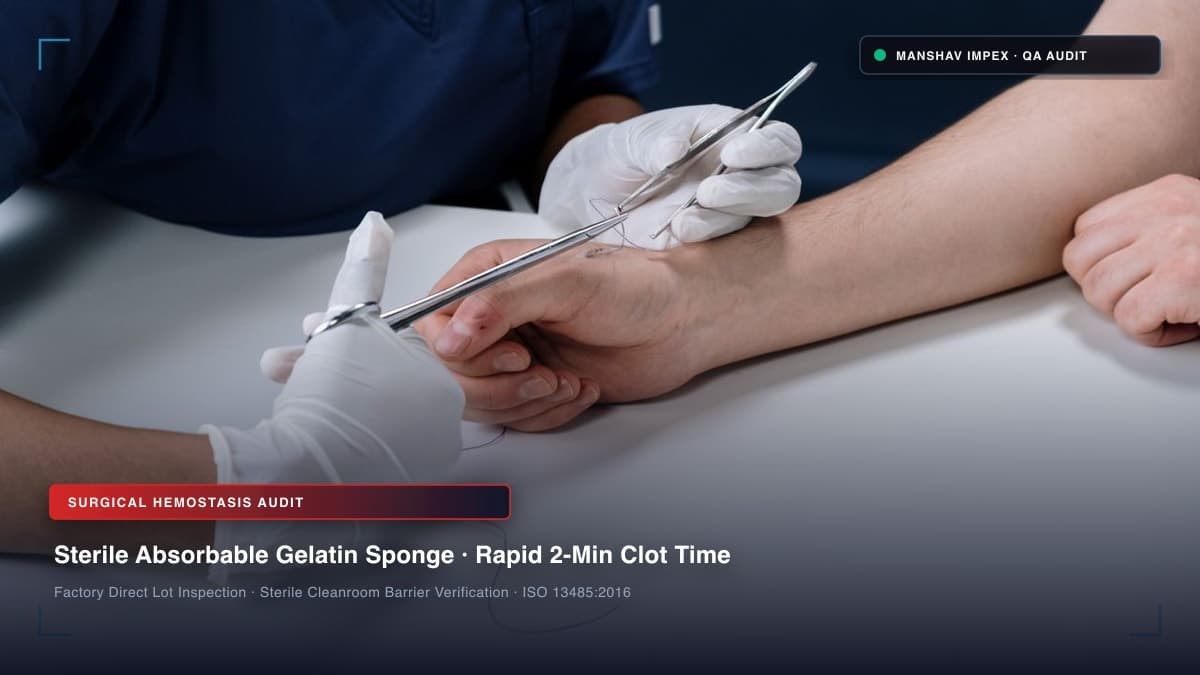
How Mexican healthcare distributors and IMSS tender bidders import CE and ISO 13485 medical consumables from Indian manufacturing facilities under COFEPRIS sanitary registry requirements.
Mexican sanitary law (NOM-137-SSA1-2008) mandates Spanish labeling on primary pouches and secondary dispenser boxes prior to customs entry. Secondary stickering inside Mexican bonded warehouses adds $0.08 to $0.14 per unit. Direct factory printing in India avoids these expenses. [Request a Mexico-compliant quote](/request-quote) or [contact our Latin America export desk](/contact).
Medical consumables are categorized by COFEPRIS into three distinct risk tiers: Class I (low risk, such as sterile surgical blades and examination gloves), Class II (moderate risk, including hypodermic syringes, IV infusion sets, Foley catheters, and endotracheal tubes), and Class III (high risk, such as orthopedic trauma implants and spinal needles). For Class II and III devices, Mexican distributors must submit comprehensive biocompatibility testing under ISO 10993 and sterilization validation dossiers.
Importers can significantly accelerate authorization by leveraging the COFEPRIS Equivalency Agreement. If the Indian manufacturing facility already holds US FDA 510(k) clearance or Health Canada licensing, the review timeline drops from 12–14 months under the standard dossier route down to 3–5 months via the equivalency window.
| Evaluation Parameter | Direct Indian Manufacturer (Manshav Impex) | Regional US/Panama Re-Exporter | Low-Cost Commodity Broker |
|---|---|---|---|
| Landed Cost (CIF Manzanillo) | Direct cleanroom factory-gate pricing | +22% to +35% intermediary margin markup | Initially low FOB, unpredictable landed fees |
| COFEPRIS Technical Dossier | Full STED format dossier with apostilled Free Sale Certificate | Secondary product sheets; slow dossier revisions | Incomplete test reports; high risk of official rejection |
| Bilingual Labeling (NOM-137) | Factory-printed Spanish/English primary & master packaging | Fixed multinational English-only branding | Generic labels without Mexican importer registration data |
| Ocean Sailing Transit Time | 26 to 32 direct sailing days (Nhava Sheva to Manzanillo) | 8 to 14 days road/short-sea freight | 38 to 55 days with multi-port transshipments |
In Mexico's tender market, the lowest FOB quote becomes the most expensive mistake the moment a container is quarantined at Port Manzanillo due to missing NOM-137 Spanish warnings.
For Pacific Mexican ports like Manzanillo and Lázaro Cárdenas, direct container lines operating from Western Indian gateways (Port Nhava Sheva and Port Mundra) average 26 to 32 sailing days. For Atlantic distribution feeding Mexico City and Puebla through Port Veracruz, transit runs between 28 and 35 days. Shipments require original Bill of Lading, Commercial Invoice, Packing List with gross/net weights and CBM, Certificate of Analysis (CoA), and Certificate of Origin (COO) legalised for Mexican customs agents (Agentes Aduanales).
To review transit schedules and shipping documentation protocols, consult our global shipping routes guide or review our Latin America regional capabilities.
Yes, provided the ISO 13485:2016 certificate is issued by an accredited registrar recognized under IAF MLA and legalized with an Apostille certificate.
Yes. Our OEM private label service prints the distributor's unique Registro Sanitario number, local distributor details, and NOM-137 Spanish warnings directly onto dispenser boxes.
Direct ocean container sailings from Port Nhava Sheva (JNPT) to Port Manzanillo take between 26 and 32 days.
Most established Mexican importers trade under CIF Manzanillo or CIF Veracruz, allowing the importer's licensed customs broker (Agente Aduanal) to handle local clearance.
Yes. We dispatch physical sample cartons via DHL or FedEx complete with Certificates of Analysis and technical data sheets for distributor evaluation.
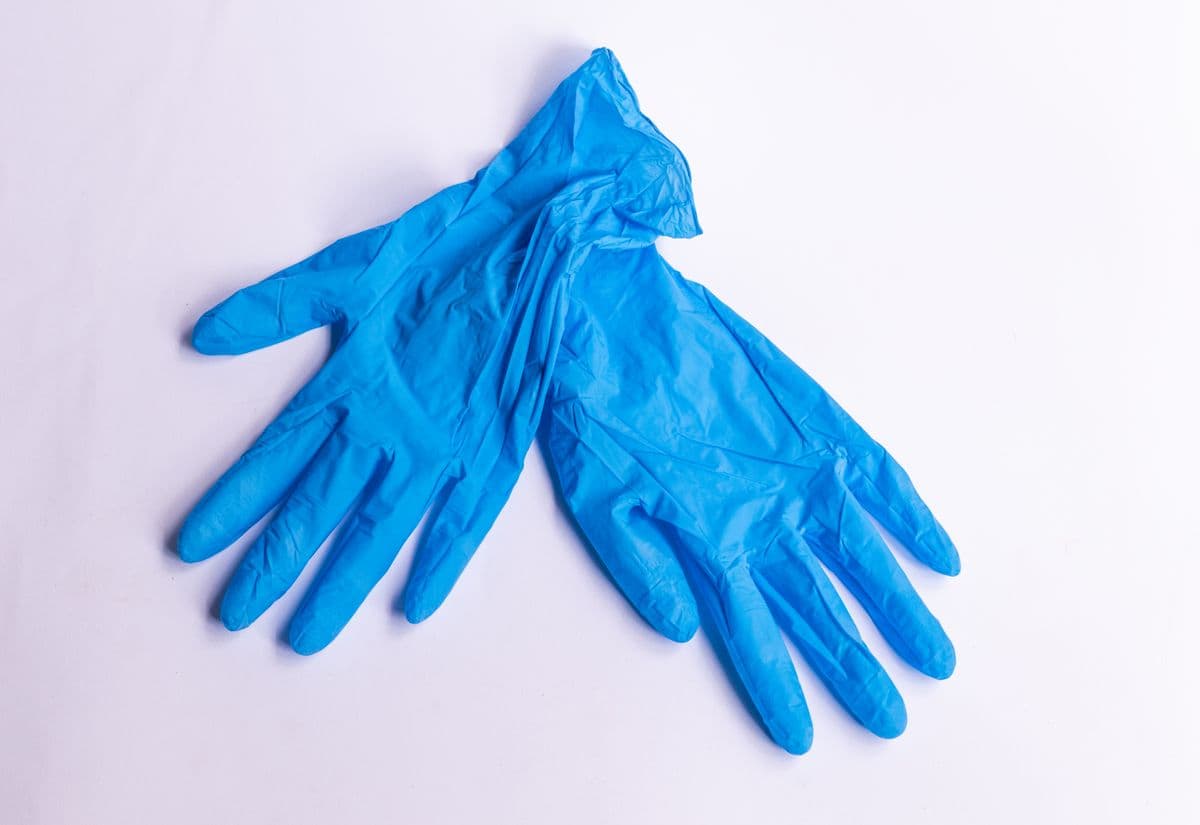
A step-by-step mathematical landed-cost calculation framework for CFOs, buyers, and import directors purchasing medical consumables from India.
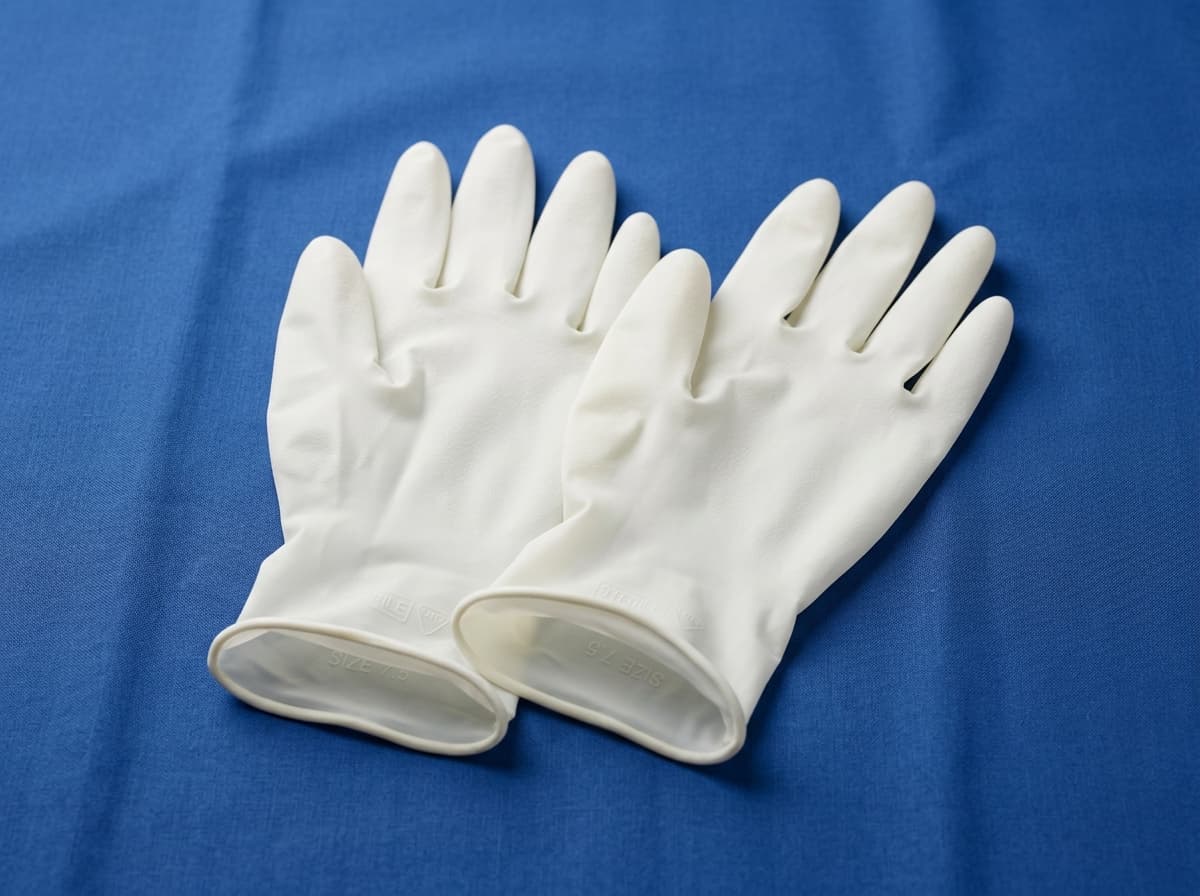
A strategic guide for healthcare distributors to launch proprietary medical consumable brands with Indian OEM contract manufacturing partners.
An inside look at how hospital procurement committees audit technical dossiers, biocompatibility reports, and cleanroom data for Indian medical consumables.