Rapid Blood & Fluid Pressure Infusion Bags: Procurement Guide for Costa Rican Trauma & ICU Tenders (CCSS)
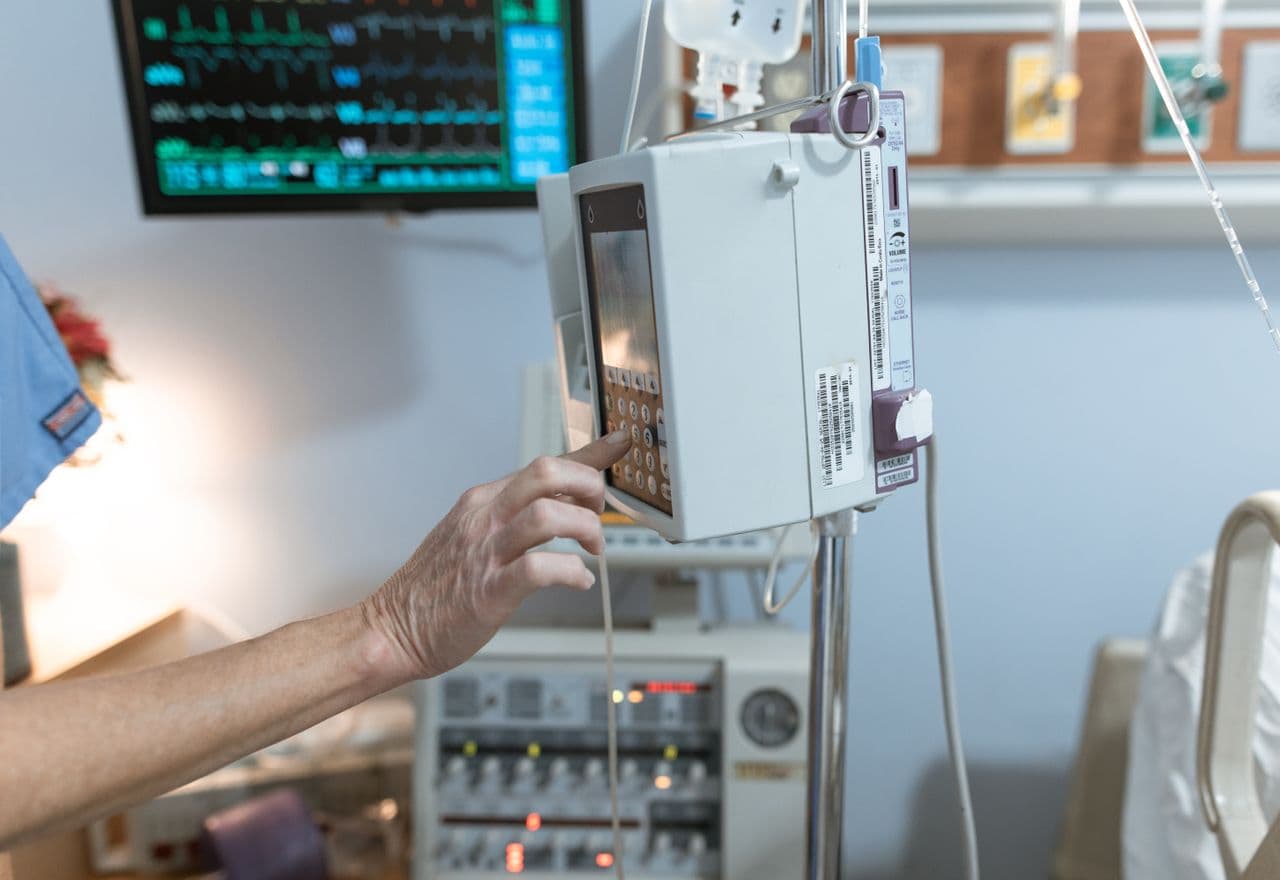
In major trauma resuscitations, massive hemorrhagic shock cases, and rapid fluid resuscitation in emergency rooms and surgical theatres across Costa Rica—predominantly within the large hospital network operated by the Caja Costarricense de Seguro Social (CCSS)—gravity-fed intravenous flow is simply too slow. Clinicians depend on pressure infusion bags (infusion cuffs) to deliver blood products, crystalloids, and colloidal solutions under controlled pressure. For Costa Rican medical supply distributors bidding on institutional CCSS purchasing tenders, partnering with an Indian medical manufacturer delivers high-durability products that comply with Central American standards while ensuring healthy commercial margins.
Sharmil Mangukiya (Founder & MD) 9 min read September 23, 2026
Key Summary & AI Takeaways
In major trauma resuscitations, massive hemorrhagic shock cases, and rapid fluid resuscitation in emergency rooms across Costa Rica, gravity-fed flow is simply too slow.
Quick Answer: Key Clinical & Functional Metrics for Infusion Bags
An export-quality pressure infusion bag must accept standard 500 ml, 1,000 ml, or 3,000 ml IV fluid or blood bags, featuring a heavy-duty mesh or transparent polyurethane front sleeve that provides 360-degree visual monitoring of fluid level and fluid bag labeling. The inflation system must incorporate an ergonomic latex-free inflation bulb, an integrated high-precision pressure gauge (manometer) or color-coded piston gauge showing 0 to 300 mm Hg pressure, and an automated pressure-relief safety valve that prevents accidental over-pressurization above 330 mm Hg.
Disposable vs Reusable Infusion Bag Specifications
The Achilles heel of cheap pressure infusion cuffs is bladder leakage at the bulb valve or stopcock joint. If the bag loses pressure over a 15-minute transfusion, the nurse must continually re-pump it manually, disrupting patient stabilization in trauma bays.
When evaluating an Indian manufacturer for CCSS tenders, distributors must demand static pressure hold testing documentation. An infusion bag pumped to 300 mm Hg must maintain pressure with less than 5 mm Hg decay over 30 minutes. The aneroid dial manometer must be calibrated against certified mercury standards, ensuring that recorded pressures correspond to true infusion rates without under- or over-pressurizing delicate red blood cell membranes, which can induce mechanical hemolysis.
Sourcing Critical Care Consumables for Latin America? Examine our precision aneroid pressure devices, OEM private-label capabilities, and bilingual packaging frameworks.
CCSS Regulatory Standards & Logistics to Puerto Limón / Caldera
The CCSS enforces stringent biomedical evaluations for all medical supplies. Bidding dossiers require ISO 13485 certification, CE or CDSCO Free Sale Certificate, and Spanish-language technical manuals detailing disinfection and maintenance protocols. Ocean consignments from India arrive at Puerto Limón (Atlantic coast) or Puerto Caldera (Pacific coast) within 32 to 38 days. Air cargo directly to Juan Santamaría International Airport (SJO) in San José is standard for initial sample validations and urgent hospital tender deliveries.
Frequently asked questions
What is the clinical risk if a pressure infusion bag lacks an over-pressure relief valve?
Pressures exceeding 300 to 330 mm Hg can rupture IV container bags, burst IV tubing lines, blow off catheter luer connections, and cause severe mechanical hemolysis of transfused red blood cells.
Are disposable pressure infusion bags preferred over reusable models in CCSS hospitals?
While emergency wards frequently utilize reusable nylon models for economy, trauma surgery and infectious disease isolation units increasingly request disposable, single-patient models to prevent MRSA and bacterial cross-contamination.
How does the color-coded piston pressure indicator work?
As the bulb pumps air into the bladder, an internal piston rises: green indicates safe target operating pressure (250–300 mm Hg), yellow indicates under-pressure (<200 mm Hg), and red indicates hazardous over-pressure (>300 mm Hg), visible from across the room.
Can the bladder be replaced in reusable infusion bags?
Yes. Reusable models are designed with modular hook-and-loop or zipper closures, allowing technicians to replace an internal polyurethane bladder without discarding the outer nylon shell and manometer.
What is the packaging configuration for container shipping?
Reusable pressure infusion bags are packed individually in protective display boxes (20 or 40 units per master shipping carton). Disposable models are packed flat in cartons of 50 or 100 units.
Manshav Impex
Manshav Impex is a global exporter of medical devices, surgical consumables and healthcare solutions, serving importers, distributors, hospitals and governments in 48+ countries.