Tropical Climate Zone IVb Stability: Preventing Medical Packaging Failure in Humid Ports
How to prevent medical packaging delamination, carton collapse, and sterile barrier breach in humid tropical import ports under Climatic Zone IVb conditions.

Guide to private-label medical consumables OEM sourcing in India. GS1 barcoding, UDI compliance, packaging artwork, and regulatory file creation.
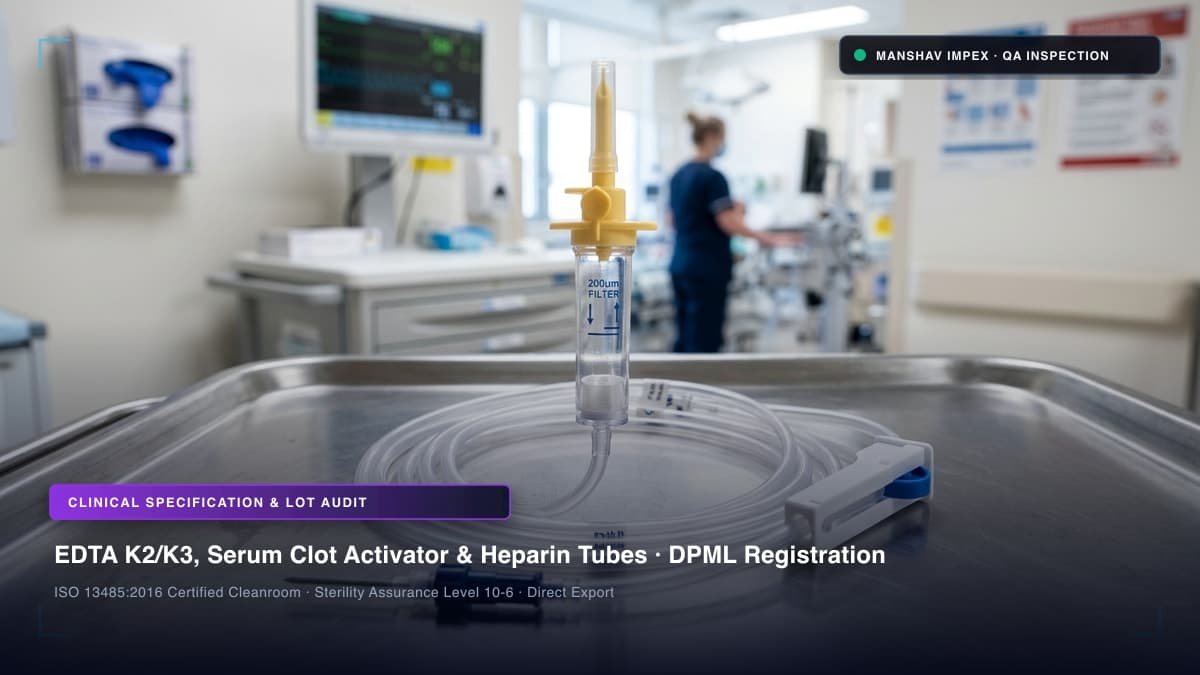
Guide to private-label medical consumables OEM sourcing in India. GS1 barcoding, UDI compliance, packaging artwork, and regulatory file creation.
Successful private-label medical manufacturing requires separating brand marketing from regulatory compliance. While your company can be designated as the *Distributor* or *Brand Owner*, international law (including EU MDR and US FDA) mandates that the legal *Original Equipment Manufacturer (OEM)*, their facility license, ISO 13485 certificate, and country of origin remain visible on secondary packaging, unless the brand owner obtains their own comprehensive Virtual Manufacturer license.
Regulatory authorities worldwide (such as the US FDA, EU MDR, UK MHRA, and Saudi SFDA) reject medical imports that use non-compliant packaging layouts.
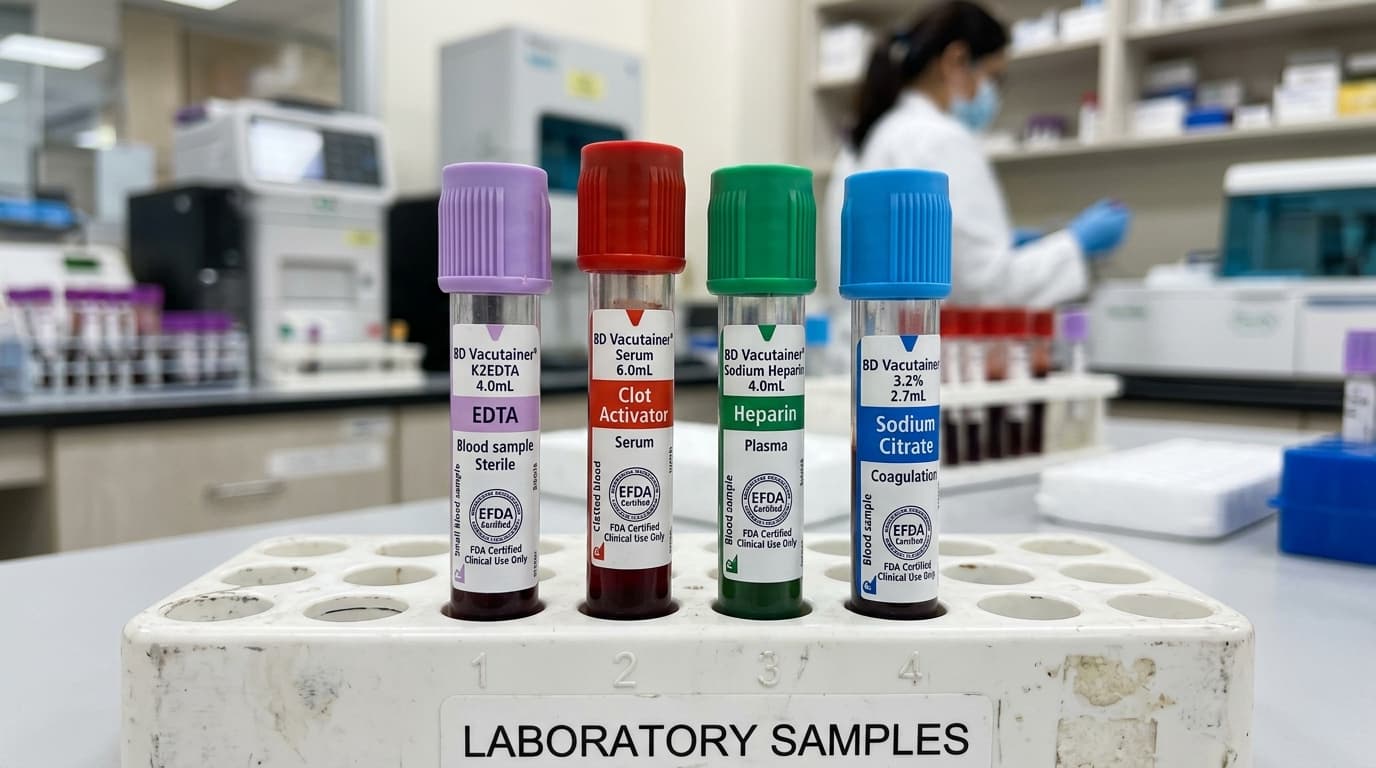
Every primary blister pack, inner dispenser box, and master shipper must feature standardized symbols conforming to ISO 15223-1 (Symbols to be used with medical device labels):
| Label Element | International Standard | OEM Verification Requirement | Common Importer Mistake | ||
|---|---|---|---|---|---|
| UDI-DI & UDI-PI | GS1 General Specifications | Global Trade Item Number (GTIN-14) + Expiry / Batch | Using linear UPC barcodes that cannot store batch data | ||
| Sterilization Method | ISO 11139 | Standardized icon: `STERILE | EO` or `STERILE | R` | Printing text only without ISO symbol blocks |
| Temperature Storage | ISO 15223-1 Symbol 5.3.7 | Upper and lower temperature limits (e.g., 5°C–35°C) | Omitting storage limits; leaves product vulnerable to claims | ||
| Single-Use Warning | ISO 15223-1 Symbol 5.4.2 | "Do Not Re-Use" (2 inside a circle with a slash) | Inadequate contrast; illegible printing | ||
| Single-Barrier Packaging | ISO 11607-1 | Sterile barrier indicator circle symbol | Missing sterile barrier symbols on double-pouch kits |
When establishing an OEM agreement in India, agree on carton artwork plates well before production begins. Changing film-printing cylinders or rotogravure plates midway through a run creates costly scrap and delays shipment schedules by two to three weeks.
Manshav Impex provides end-to-end OEM private-label contract manufacturing for medical distributors worldwide, providing turnkey support from GS1 barcode generation to ISO 13485-compliant packaging design. Consult with our OEM brand development team.
---
"A private-label brand builds company equity, but compliant packaging is what ensures your containers clear customs smoothly."
---
The **UDI-DI (Device Identifier)** is a static, unique numeric code that identifies the specific product model and packaging level (GTIN). The **UDI-PI (Production Identifier)** is dynamic, encoding the manufacturing batch number, expiration date, and serial number.
Because custom rotogravure and flexographic printing cylinders require specific factory run lengths, customized primary blister foil packaging typically requires minimum orders of 50,000 to 100,000 units per size, while outer cartons can be produced in batches of 500 to 1,000 boxes.
Yes, we guide distributor partners through obtaining their GS1 company prefix, allocating GTIN-14 hierarchies for boxes and master shippers, and generating compliant 2D DataMatrix symbols.
Under Manshav Impex OEM partnership agreements, customized printing plates and branding artwork remain the intellectual property of the distributor partner for all future re-orders.
Yes. Inks used on primary sterile peel packaging must be water-based, solvent-free, and resistant to leaching through the medical paper, verified by cytotoxicity testing per ISO 10993-5. ---
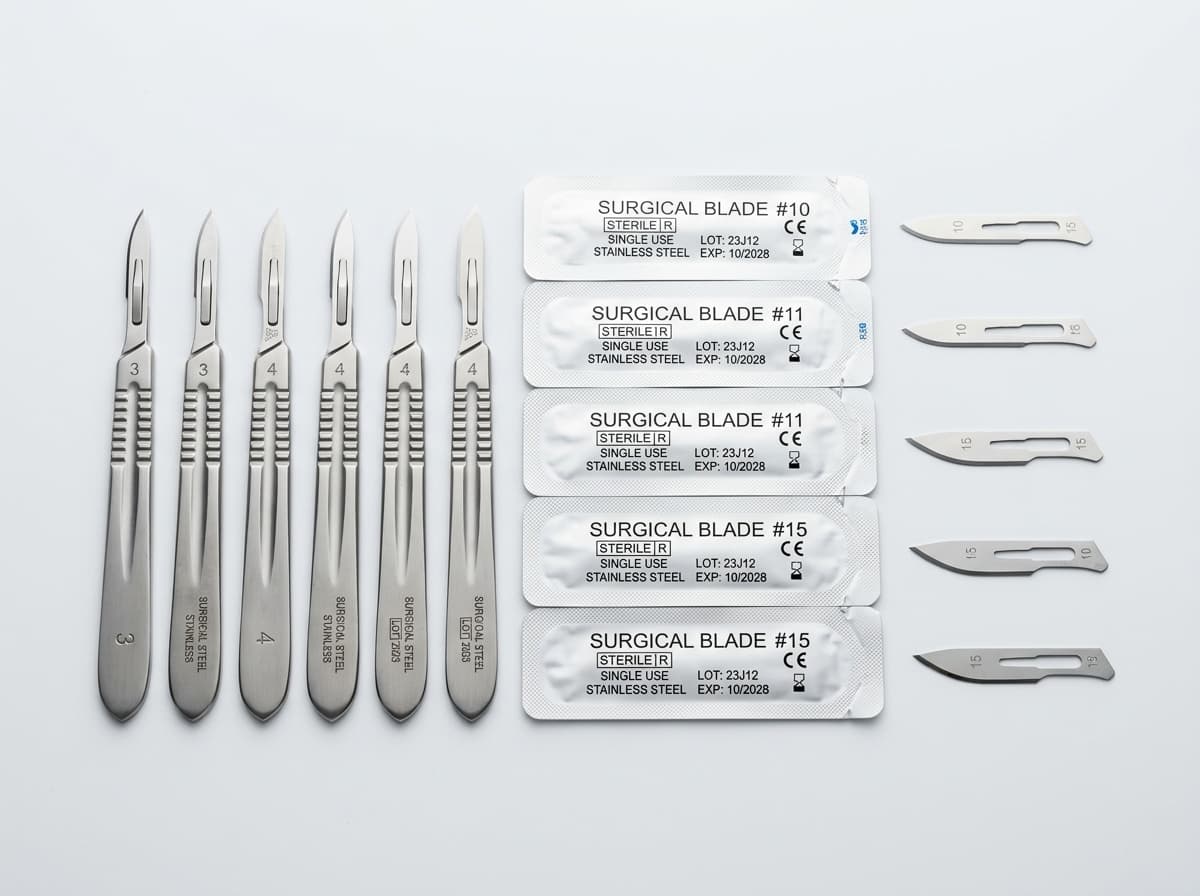
How to prevent medical packaging delamination, carton collapse, and sterile barrier breach in humid tropical import ports under Climatic Zone IVb conditions.
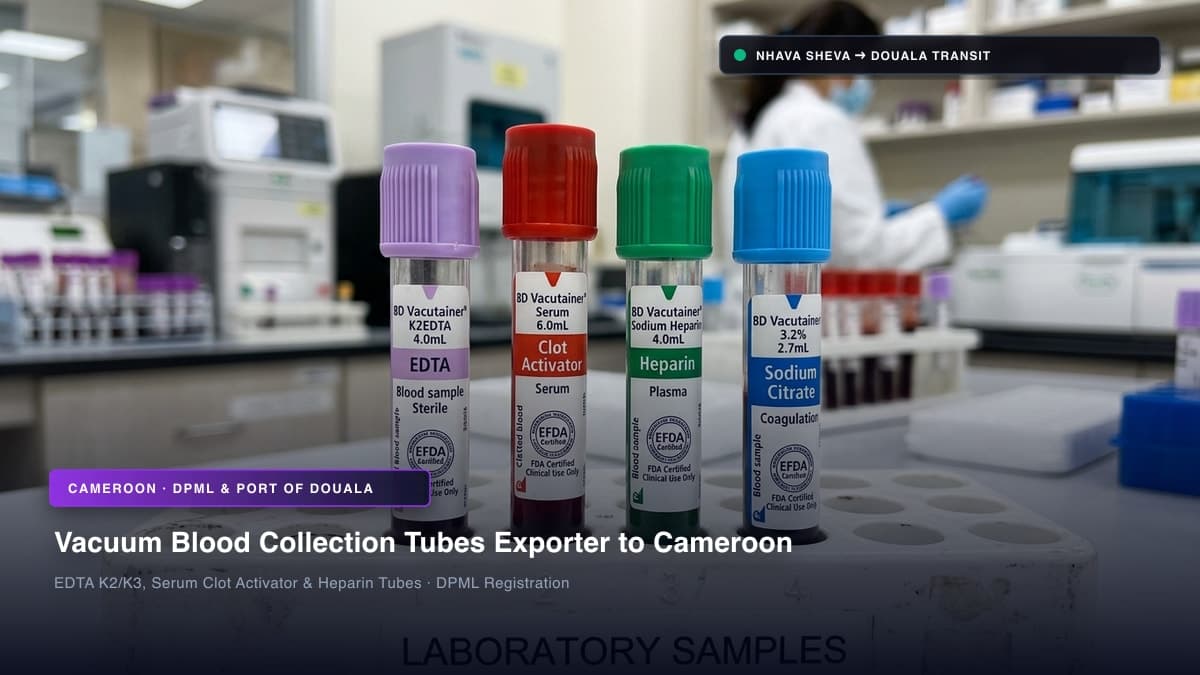
Mathematical framework for medical device distributors managing the strict 80% remaining shelf-life rule, port customs dwell times, and ASTM F1980 accelerated stability testing.

Learn how private hospital networks optimize mixed-container medical consumable shipments from India. Reduce freight, manage MOQs, and streamline customs.