Landed Cost Calculation Model for Importing Medical Disposables from India
A step-by-step mathematical landed-cost calculation framework for CFOs, buyers, and import directors purchasing medical consumables from India.

South Africa's healthcare sector is anchored by major private hospital groups—including Netcare, Mediclinic, Life Healthcare, and the National Hospital Network (NHN)—that operate thousands of acute care beds. Supplying these networks requires more than low unit costs; it demands rigorous regulatory conformity under the South African Health Products Regulatory Authority (SAHPRA), zero stockout risk, and automated GS1 barcoding.
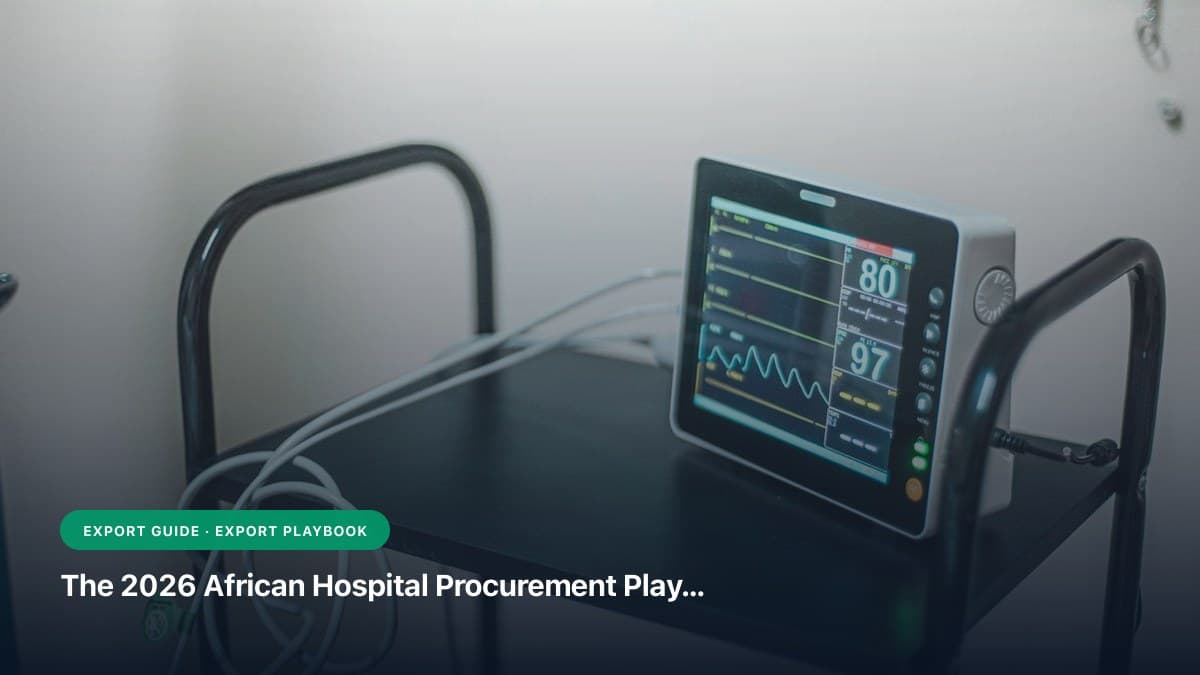
How medical supply distributors in South Africa secure private hospital network contracts (Netcare, Mediclinic, Life Healthcare) by sourcing CE-certified consumables from Indian manufacturing hubs.
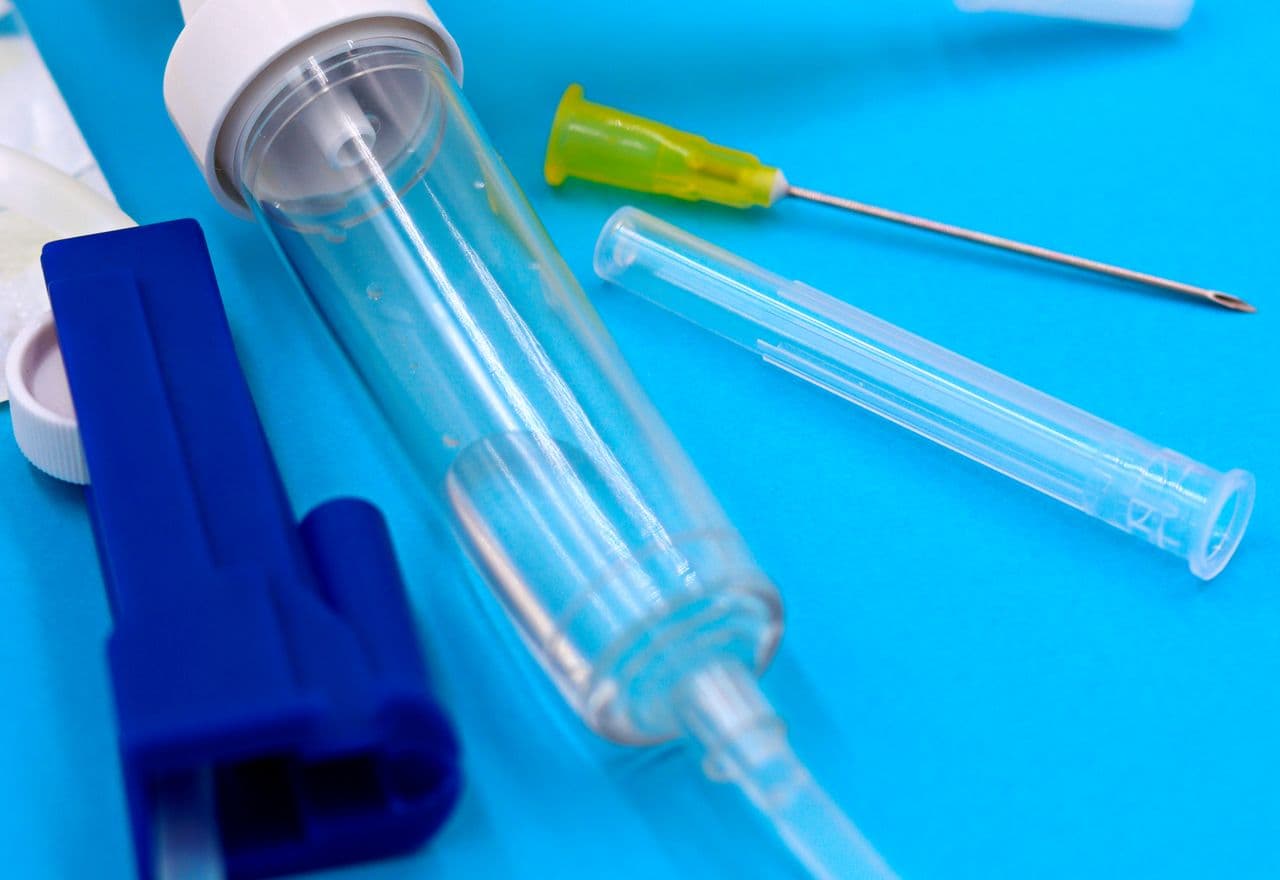
Importers in South Africa must hold a valid Medical Device Establishment Licence (MDEL). Foreign manufacturers must supply ISO 13485:2016 certification and European CE conformity declarations. [Explore our shipping routes to South Africa](/shipping-routes) or [request a distributor proposal](/contact).
Private hospital procurement committees prioritize three factors: First, consistency in product specifications (such as pencil-point spinal needles that reduce post-dural puncture headache rates and high-tensile surgical sutures). Second, automated inventory compatibility via GS1-128 or GS1 DataMatrix barcodes scannable by hospital materials management software. Third, rolling buffer inventory to insulate against international shipping disruptions.
Direct container vessels sailing from Nhava Sheva (JNPT) reach Port Durban in 16 to 22 days. From Durban, bonded containers transfer via Transnet freight rail directly to the City Deep Container Terminal in Johannesburg within 48 hours, providing rapid access to Gauteng's dense private healthcare market.
| Evaluation Point | Manshav Impex Direct Supply | Spot-Market Broker |
|---|---|---|
| SAHPRA Technical Dossiers | Complete technical files with CE & ISO 13485 certificates | Incomplete documentation; frequent audit flags |
| Barcoding Symbology | Automated GS1 DataMatrix on inner boxes and shippers | Basic retail UPC barcodes unreadable by hospital scanners |
| Ocean Transit to Durban | Direct liner bookings (16–22 sailing days) | Multi-stop transshipments prone to port congestion |
| Contract Volume Stability | Fixed quarterly pricing with indexed raw material safeguards | Price renegotiations during polymer market volatility |
South African private hospital groups do not negotiate contracts on product unit price alone; they penalize suppliers heavily for stockouts. Your factory partner must deliver consistent container schedules month after month.
South African customs requires Certificate of Free Sale (CFS), CE Declaration of Conformity, ISO 13485:2016 QMS certificate, and commercial shipping documents.
Yes, private anesthesia departments mandate 25G and 27G pencil-point needles to reduce post-dural puncture complications.
Standard customs clearance and container discharge at Durban Pier takes between 3 and 5 business days.
Yes, we routinely combine wound care, surgical blades, spinal needles, and Foley catheters in FCL container shipments.
Transactions are typically settled via T/T transfer or Irrevocable Letters of Credit (L/C at sight) in USD.

A step-by-step mathematical landed-cost calculation framework for CFOs, buyers, and import directors purchasing medical consumables from India.
A strategic guide for healthcare distributors to launch proprietary medical consumable brands with Indian OEM contract manufacturing partners.

How to avoid costly port demurrage, navigate pre-shipment inspections, and safeguard sterile consumables during ocean transit to African destinations.