Titanium vs Stainless Steel Orthopedic Trauma Locking Plates for Ecuador: ARCSA Sanitary Registration, Biomechanical Stability, and Guayaquil Import Guide
Orthopedic trauma surgeons in Quito, Guayaquil, and Cuenca manage complex high-energy fracture patterns requiring advanced anatomical internal fixation systems. Procurement committees must choose between Grade 5 Ti-6Al-4V ELI Titanium alloy and implant-grade 316LVM vacuum arc remelted Stainless Steel locking compression plates (LCP). Placing surgical implants into Ecuador requires Class III Sanitary Registration from the Agencia Nacional de Regulación, Control y Vigilancia Sanitaria (ARCSA).
Manshav Technical Trade Editorial Board 13 min read September 19, 2026
Key Summary & AI Takeaways
Technical and regulatory evaluation comparing Ti-6Al-4V titanium alloy versus 316LVM stainless steel orthopedic locking compression plates (LCP) for trauma centers and distributors in Ecuador under ARCSA Class III regulations.
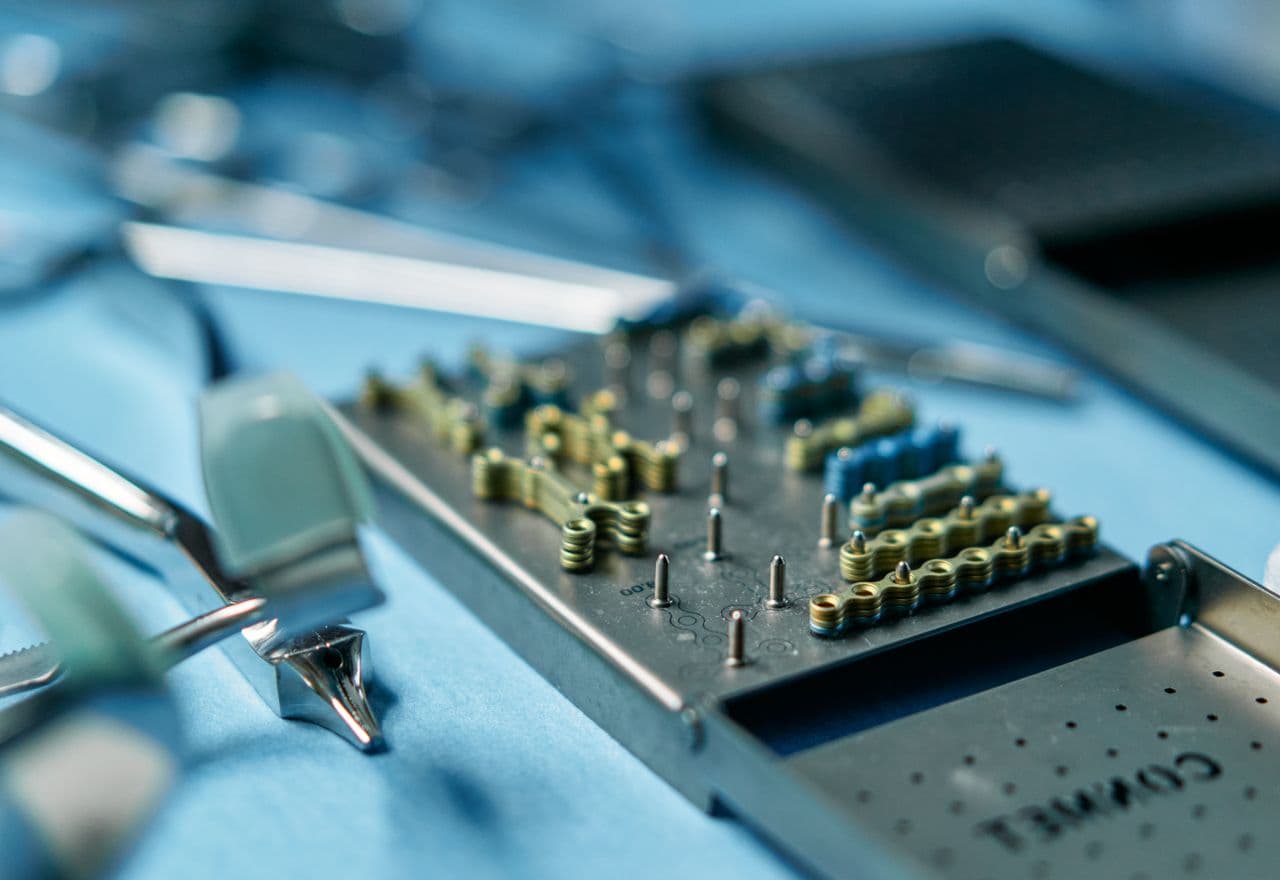
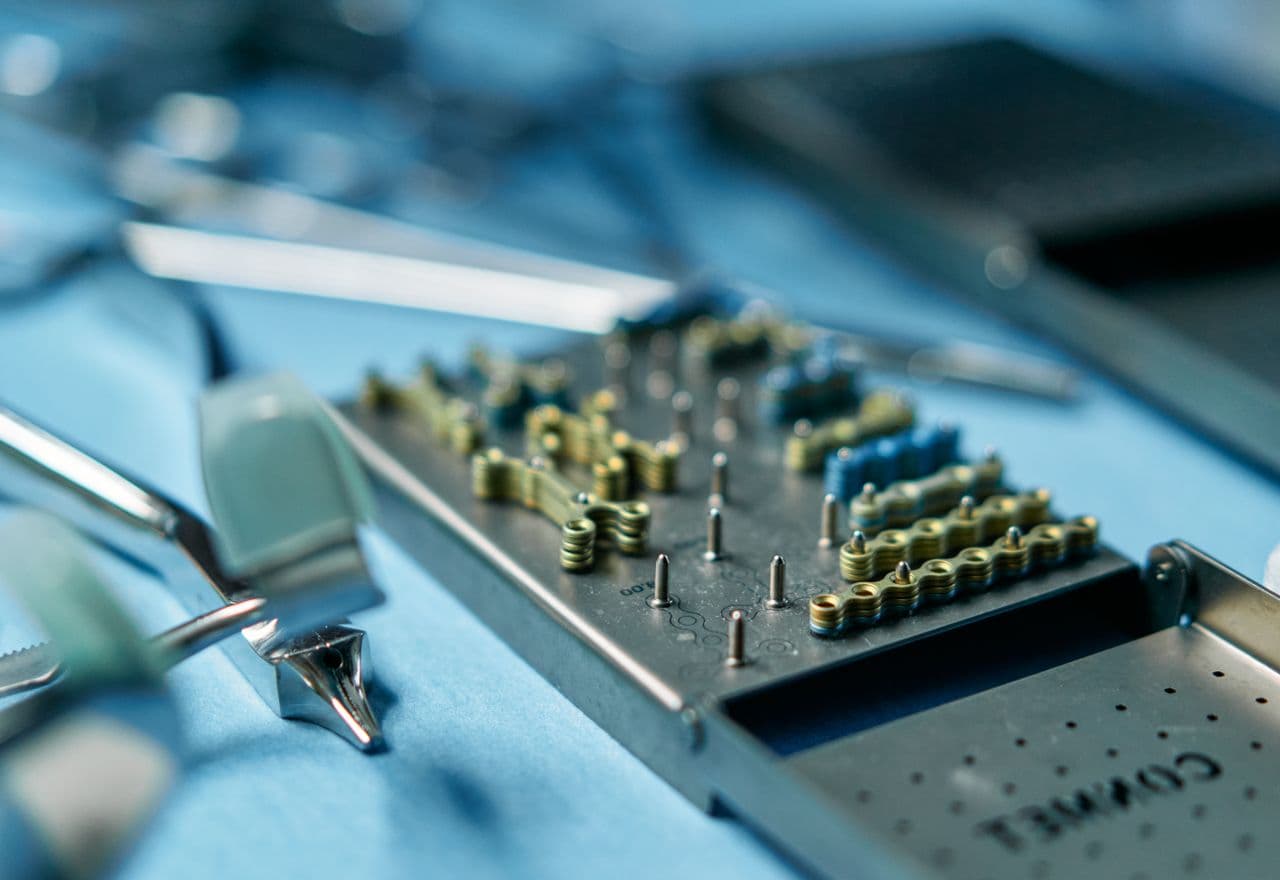
Anodized titanium and surgical stainless steel locking compression plates (LCP) with combi-holes for dynamic compression and angular stability.
Metallurgical Biomechanics: Ti-6Al-4V ELI Titanium vs 316LVM Stainless Steel
The choice of implant metallurgy directly affects bone union and biological remodeling. Medical-grade 316LVM (vacuum arc remelted) stainless steel provides high ultimate tensile strength (860–1,050 MPa) and superior torsional rigidity. It is ductile and easy to contour intra-operatively using plate benders. However, stainless steel has a high modulus of elasticity (~200 GPa), significantly stiffer than human cortical bone (15–20 GPa), which can induce 'stress shielding'—where the rigid plate carries the mechanical load, resulting in bone demineralization beneath the plate.
In contrast, Manshav Impex Titanium locking plates are precision-milled from certified Ti-6Al-4V ELI (Extra Low Interstitial) medical alloy (ASTM F136 / ISO 5832-3). Titanium's modulus of elasticity (~110 GPa) is substantially closer to bone, promoting physiological micro-strain that accelerates secondary callus formation. Furthermore, titanium is totally non-ferromagnetic, allowing artifact-free postoperative Magnetic Resonance Imaging (MRI), and forms a passive titanium dioxide (TiO2) ceramic oxide layer that confers extraordinary corrosion resistance in human synovial fluids.
Biomechanical Property
Ti-6Al-4V ELI Titanium Alloy (ASTM F136)
316LVM Stainless Steel (ASTM F138 / ISO 5832-1)
Modulus of Elasticity (GPa)
~110 GPa (Closer to human bone; low stress shielding)
High-energy diaphyseal shaft fractures, heavy loads
Ecuador Shipping Transit
28–34 days ocean transit Mundra to Port of Guayaquil
28–34 days ocean transit Mundra to Port of Guayaquil
ARCSA Class III Sanitary Registration Protocol in Ecuador
Under Ecuadorian Ministry of Public Health regulations administered by ARCSA, surgically implantable trauma plates and screws are classified as Class III (high risk). Importation requires a Registro Sanitario. Technical dossiers must include raw material mill test certificates (ISO 5832 series), complete fatigue endurance testing reports (ASTM F382 for bone plates), ISO 13485:2016 certification, Certificate of Free Sale (CFS) authenticated under the Hague Apostille, and Spanish-language technical inserts.
Maritime Logistics: Nhava Sheva / Mundra to Port of Guayaquil
Consignments sail from Mundra Port (INMUN1) or Nhava Sheva (INNSA1) via the Panama Canal route to Puerto Marítimo de Guayaquil (ECGYE), Ecuador's commercial shipping gateway. Transit times average 28 to 34 days. Plates and screws are individually sealed in double sterile peel-packs with EO indicators or delivered non-sterile in anodized aluminum graphic sterilizing cases with matching instrumentation sets.
Full Trauma Instrument Sets & Private Label Sourcing
We supply complete anatomical trauma sets: Proximal Humerus, Distal Radius, Distal Femur, and Tibial Plateau plates with self-tapping cortical and locking screws. Contact our Latin America trade directors.
In geriatric fragility fractures with poor bone mineral density, titanium locking plates with angular stable screws provide bone purchase that conventional non-locking plates simply cannot achieve, preventing secondary loss of reduction.
Frequently asked questions
What is the function of a 'combi-hole' in modern locking compression plates (LCP)?
A combi-hole combines a dynamic compression unit (DCU) hole with a threaded conical locking hole, allowing the surgeon to achieve standard dynamic interfragmentary compression or rigid angular locking with the same plate.
Can titanium plates and stainless steel screws be mixed in the same patient?
No, mixing different metals is strictly contraindicated because the galvanic potential difference in body fluids causes galvanic corrosion, resulting in premature implant degradation.
Why are titanium implants anodized in different colors (e.g. blue, gold, green)?
Color anodization creates a thickened protective titanium dioxide layer that visually color-codes different screw diameters and plate sizes in the operating theatre without using toxic dyes.
What is the fatigue testing standard for bone plates?
Bone plates are tested under ASTM F382 (Standard Specification and Test Method for Metallic Bone Plates), measuring cyclic bending fatigue strength up to 1 million cycles.
Are the plates supplied sterile or non-sterile?
We offer both options: individually double-blister sterile packed for private clinics, or non-sterile bulk sets with autoclavable sterilization trays for hospital CSSD processing.
Manshav Impex
Manshav Impex is a global exporter of medical devices, surgical consumables and healthcare solutions, serving importers, distributors, hospitals and governments in 48+ countries.