Indian Medical Suppliers vs. African Importers: The Definitive 2026 Sourcing & Landed Cost Comparison
Healthcare spending across Sub-Saharan and North Africa is growing at over 7.8% annually, but procurement teams face severe margin pressure from currency fluctuations and lengthy supply chains. In 2026, over 42% of African medical disposable imports originate in India. This guide delivers a real-world unit cost, freight transit, and regulatory compliance comparison between Indian, Chinese, and European medical manufacturers.
Sharmil Mangukiya (Founder & MD) 5 min read September 5, 2026 · Updated September 1, 2026
Key Summary & AI Takeaways
Why African hospital chains and healthcare ministries are shifting surgical procurement from Europe and China to certified Indian manufacturing hubs.
For African medical distributors in Lagos, Nairobi, Johannesburg, Cairo, and Accra, choosing the right manufacturing origin is the single most critical factor in winning hospital tenders and maintaining commercial solvency. While European brands carry historical prestige, their pricing is frequently 40% to 65% higher than equivalent ISO 13485 and CE-certified Indian products.
At the same time, while Chinese manufacturers offer large-scale production, increasing ocean freight volatility across the Malacca Straits and stricter African national drug authority audits have made India the geographic and economic sweet spot for medical procurement.
Figure 1: Direct comparison of manufacturing quality standards, lead times, and regulatory support across global medical exporters.
1. Landed Cost & Unit Price Benchmark Comparison (2026)
The table below compares factory-gate (FOB) and estimated CIF landed costs across top high-volume surgical consumables for a standard 40ft High Cube container shipment into Mombasa (Kenya) or Apapa (Lagos, Nigeria).
Unlike consumer goods, importing medical devices into Africa requires stringent regulatory registration with national authorities. Indian manufacturers have pre-existing dossiers that dramatically simplify distributor approval.
Nigeria (NAFDAC): Requires Free Sale Certificate (FSC) legalized by the Nigerian High Commission in New Delhi, Letter of Manufacturer Authorization, and comprehensive Certificate of Analysis (COA) for 3 consecutive production batches.
Kenya (Pharmacy & Poisons Board - PPB): Requires online portal dossier submission in Common Technical Document (CTD) format, ISO 13485 certificate accredited by IAF members, and sample laboratory verification at National Quality Control Laboratory (NQCL).
Tanzania (TMDA): Mandatory Pre-Export Verification of Conformity (PVoC) through approved inspection agents (SGS, Bureau Veritas, Intertek) in India prior to vessel loading.
South Africa (SAHPRA): Class II/III medical devices require ISO 13485:2016 and CE marking under EU MDR 2017/745 or equivalent Recognized Regulatory Authority approval.
Egypt (Egyptian Drug Authority - EDA): Fast-track registration for plants holding WHO-GMP and valid ISO 13485 audited by European Notified Bodies.
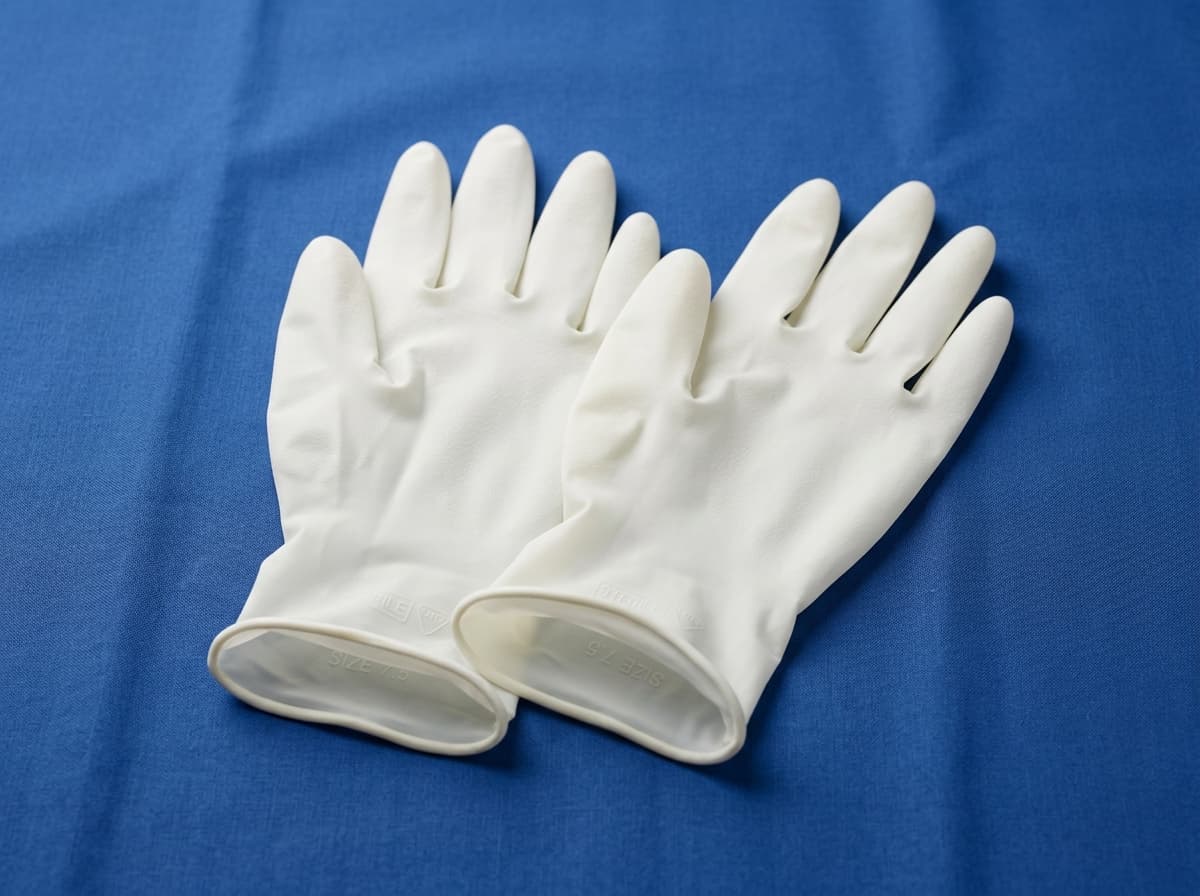
Figure 2: Medical disposable nitrile and surgical gloves prepared in moisture-proof tropical packaging for West and East African distribution.
3. Complete Landed Cost Breakdown for African Distributors
When buying from India, how is the final hospital selling price distributed? The chart below details the exact percentage cost structure for an African distributor importing a 40ft HC container of surgical consumables.
Landed Cost & Margin Distribution (%) for African Importers
Typical cost breakdown for a $50,000 surgical consumables container arriving in East/West Africa
Factory Ex-Factory / FOB Value (India)58 %
Direct cost of goods with factory warranty and sterilization
Ocean Freight & Marine Cargo Insurance9 %
Mundra to Mombasa / Lagos port freight + all-risk marine insurance
Import Duties, Port Clearing & Terminal Charges14 %
Customs tariff, port handling, inspection fees (IDF/SONCAP)
Inland Logistics & Cold/Dry Warehousing4 %
Trucking from port to regional medical distribution hubs
Distributor Net Operating Profit Margin15 %
Healthy margin achieved when winning private hospital & ministry tenders
By sourcing certified Indian medical devices, African distributors eliminate expensive European intermediary markups while cutting ocean transit times in half compared to Far East routes.
4. Practical Checklist for African Importers in 2026
Always request 3 separate production batch Certificate of Analysis (COA) sheets showing Sterility Assurance Level (SAL 10⁻⁶) and bioburden test results.
Ensure packaging specifies tropical barrier protection (VCI foil for surgical blades, 70-micron multi-layer PE liners for glove boxes).
Negotiate mixed-container loading so you can import gloves, syringes, blades, and sutures in a single 40ft container to optimize your working capital.
Verify that your Indian export partner provides apostilled / embassy-attested documents directly to your clearing agent before the vessel arrives.
Are you an African healthcare distributor or hospital procurement director seeking certified Indian medical supplies?
Pre-donned sterile natural latex surgical gloves with curved anatomical fingers, micro-textured anti-slip finish, beaded cuff, available in powdered and powder-free polymer coated grades. Container consignments dispatched from Port Mundra & Port Nhava Sheva, with certificates and test reports shared with every quotation.
Made to CE MDRMade to ISO 13485Made to EN 455Made to ASTM D3577MOQ: 50,000 pairs
How long does shipping take from India to African ports?
Direct ocean freight from India West Coast ports (Mundra / Nhava Sheva) takes approximately 10–14 days to East Africa (Mombasa / Dar es Salaam) and 20–26 days to West Africa (Lagos / Tema / Abidjan).
Can Indian suppliers handle NAFDAC and PPB documentation?
Yes. Manshav Impex provides full regulatory dossiers, apostilled Free Sale Certificates, Letters of Authorization, and batch COAs required by NAFDAC (Nigeria), PPB (Kenya), and TMDA (Tanzania).
Can we consolidate different surgical products into one container?
Absolutely. We specialize in mixed-container shipments combining gloves, surgical blades, syringes, sutures, and hospital furniture to minimize inventory holding costs for African buyers.
Sharmil Mangukiya (Founder & MD)
Sharmil Mangukiya is the founder and managing director of Manshav Impex, an Indian manufacturer & exporter of medical disposables serving importers, distributors, hospitals and governments in 48+ countries since 2019.