Navigating Medical Device Registration in Africa: NAFDAC, PPB & TMDA Dossier Mastery (2026)
Importing medical consumables and surgical devices into Sub-Saharan Africa requires navigating rigorous national regulatory frameworks. While harmonisation under the African Medicines Regulatory Harmonisation (AMRH) initiative is progressing, national authorities like Nigeria's NAFDAC, Kenya's PPB, and Tanzania's TMDA enforce strict, distinct technical dossier submissions. Here is how Indian manufacturers and African distributors partner to achieve first-time dossier approvals without costly inspection delays.
Sharmil Mangukiya (Founder & MD) 3 min read August 30, 2026
Key Summary & AI Takeaways
From Certificate of Free Sale legalisation to real-time stability testing: how to assemble bulletproof regulatory dossiers for Nigeria (NAFDAC), Kenya (PPB), and Tanzania (TMDA).
Over the last five years, national regulatory authorities across Africa have dramatically elevated their quality surveillance. Submissions that once passed with generic certificates of analysis are now routinely rejected if they lack full ISO 13485:2016 audit evidence, verified Free Sale Certificates (FSC), accelerated stability data, or bilingual packaging samples.
For an African medical importer or distributor, securing product registration is the most valuable commercial asset you own: it grants exclusive distribution rights and unlocks government hospital procurement. Below is our field-tested roadmap for navigating Nigeria, Kenya, and Tanzania.
Key Regulatory Requirements Across Major African Authorities
Regulatory Body
Country
Key Documentation Mandate
Typical Evaluation Timeline
Local Presence Requirement
NAFDAC
Nigeria
FSC legalized by Nigerian High Commission, ISO 13485, GMP Certificate, POA, Sample Testing at Yaba Labs
4–7 Months
Nigerian Registered Company (Local Representative)
PPB
Kenya
Common Technical Dossier (CTD), ISO 13485, CE/US FDA evidence, Site Master File, Batch CoA
3–6 Months
Kenyan Pharmacist / Registered Medical Device Entity
The 6 Indispensable Pillars of an Unshakeable Technical Dossier
When compiling registration files for surgical gloves, hypodermic syringes, IV cannulas, or surgical blades, African regulatory evaluators look for specific forensic consistency across six documents:
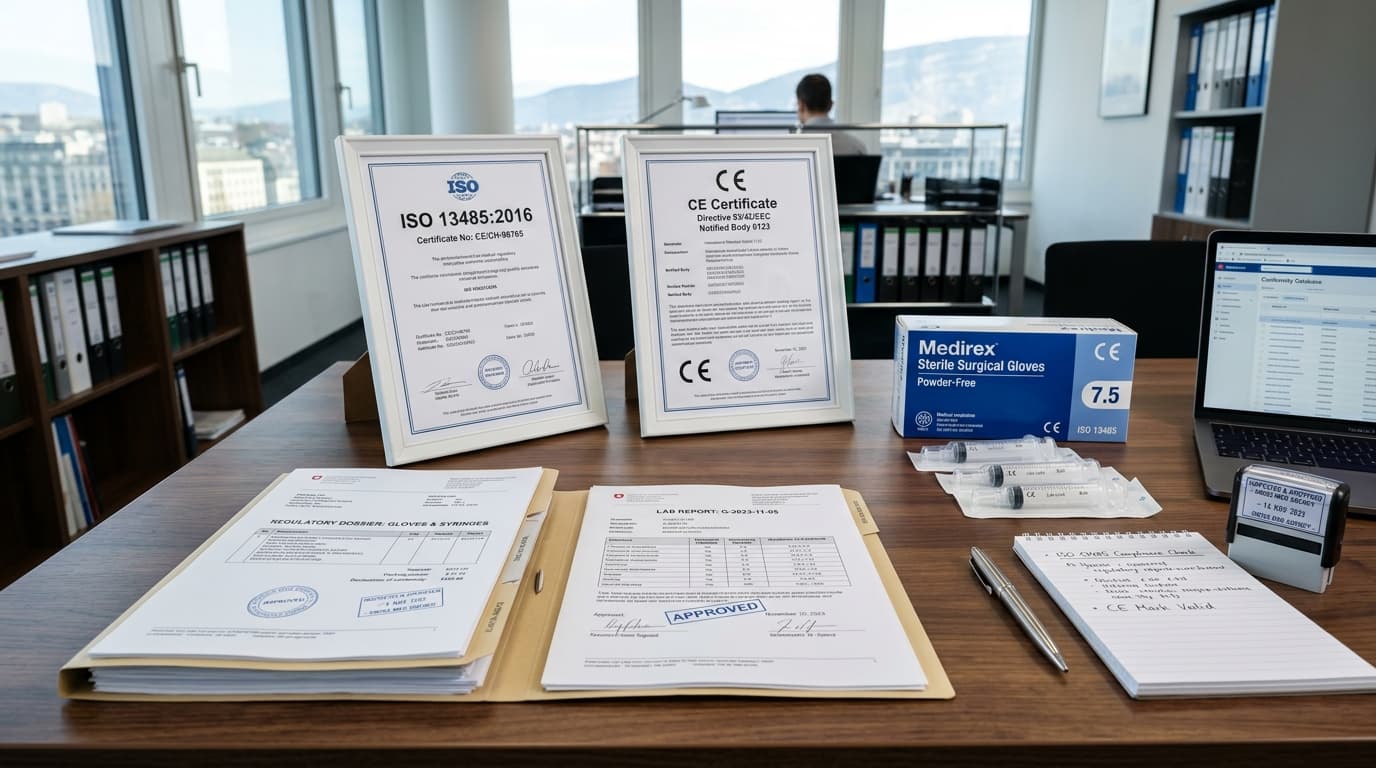
Certificate of Free Sale (CFS / FSC): Issued by the State Drug Licensing Authority or DGFT in India, explicitly stating that the product is manufactured under WHO-GMP / ISO 13485 standards and freely marketed in the country of origin.
Apostille / Embassy Legalisation: NAFDAC and several Francophone authorities reject CFS documents that lack formal legalisation from their respective Embassy/High Commission in New Delhi.
Quality Management System (ISO 13485:2016): Full accreditation from an IAF-recognized notified body, including the Annexure listing the exact manufacturing premises and product scopes.
Sterilization Validation Dossier: Detailed protocols conforming to ISO 11137 (Gamma Irradiation) or ISO 11135 (Ethylene Oxide) with bioburden determinations, dosimetry maps, and aeration residue levels.
Zone IVb Stability Data: Real-time and accelerated shelf-life stability reports conducted at 40°C ± 2°C and 75% ± 5% RH, proving that tensile strength, barrier integrity, and sterility remain uncompromised over 3 to 5 years.
Sample & Labeling Concordance: The brand name, manufacturer details, CE mark, batch coding convention, and storage instructions on the physical packaging must match the dossier text 100% letter-for-letter.
Top 4 Dossier Rejection Pitfalls and How We Prevent Them
Brand Name Discrepancy: Submitting a dossier under an OEM private brand while the attached clinical test reports reference the factory parent brand without a formal Co-Marketing / OEM Declaration.
Omission of Raw Material Certifications: Failing to include medical-grade biocompatibility certs (ISO 10993 for cytotoxicity, sensitization, and irritation) for polymers, latex concentrate, or stainless steel alloys.
Expired Power of Attorney: Filing an authorization letter that expires mid-review. We always issue notarized POAs valid for a minimum of 3 years.
Packaging in Incompatible Languages: Importing products into Senegal, Ivory Coast, or Cameroon with English-only packaging. Francophone African regulations require French text for indication, warnings, and sterilization status.
How Manshav Impex Accelerates African Regulatory Approvals
At Manshav Impex, our dedicated regulatory compliance desk prepares complete, turn-key registration packs within 72 hours of distributor appointment. We handle Indian ministry attestations, embassy apostilles, bilingual artwork generation, and express courier of sealed registration samples directly to NAFDAC Yaba, PPB Nairobi, or TMDA Dodoma.
Planning a medical device registration submission in Nigeria, Kenya, Ghana, or Tanzania?
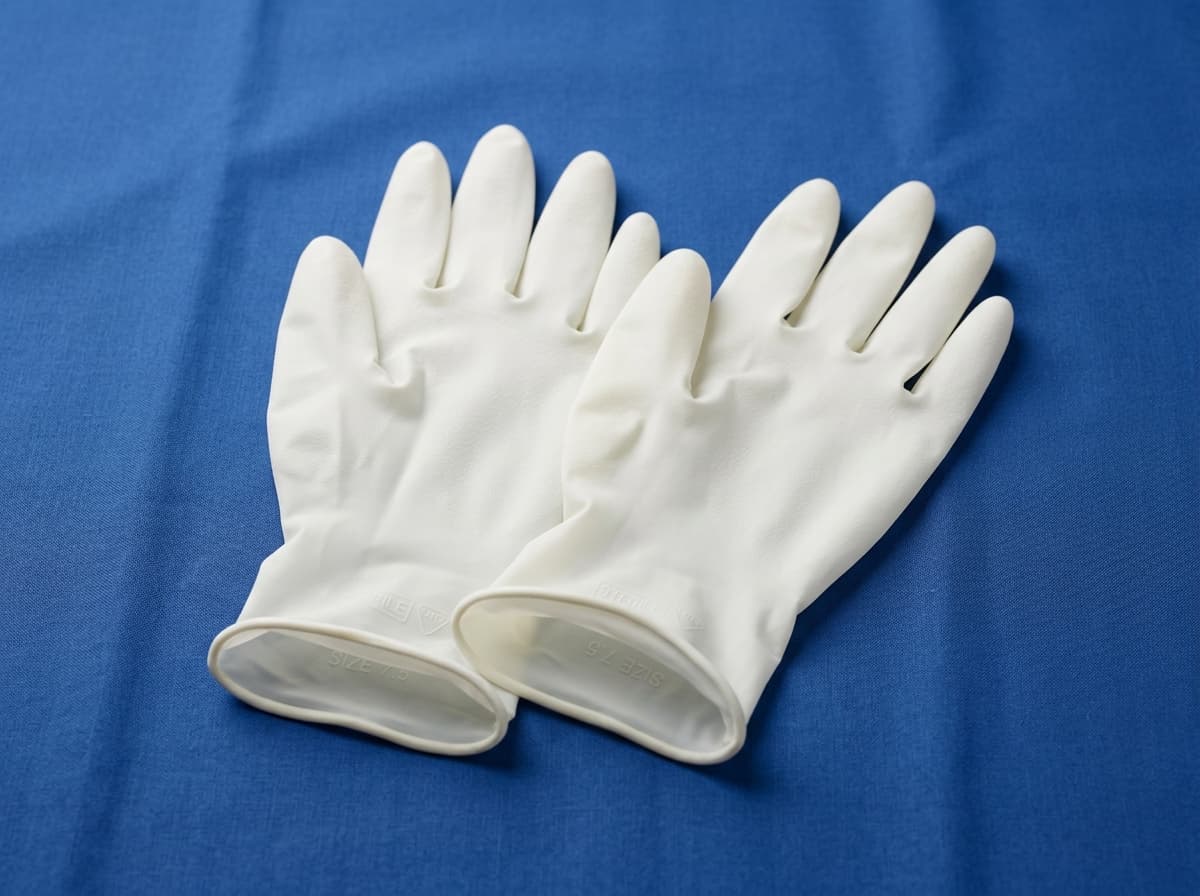
Pre-donned sterile natural latex surgical gloves with curved anatomical fingers, micro-textured anti-slip finish, beaded cuff, available in powdered and powder-free polymer coated grades. Container consignments dispatched from Port Mundra & Port Nhava Sheva, with certificates and test reports shared with every quotation.
Made to CE MDRMade to ISO 13485Made to EN 455Made to ASTM D3577MOQ: 50,000 pairs
How long is a NAFDAC medical device registration valid in Nigeria?
NAFDAC product registrations are typically issued for 5 years, after which a simplified renewal dossier and quality audit are conducted.
Can Manshav Impex issue a Manufacturer's Authorization Letter for African tenders?
Yes. We issue formal, sealed Manufacturer Authorization Forms (MAF) and Letters of Commitment to authorized distributor partners for government tenders and ministry procurement.
Does Kenya PPB require physical cleanroom audits for Indian manufacturers?
PPB accepts ISO 13485:2016 audit reports from accredited notified bodies for Class I and Class IIa medical consumables, but reserves the right to conduct desk audits or physical inspections for complex devices.
Sharmil Mangukiya (Founder & MD)
Sharmil Mangukiya is the founder and managing director of Manshav Impex, an Indian manufacturer & exporter of medical disposables serving importers, distributors, hospitals and governments in 48+ countries since 2019.