How to Import Medical Devices from India: A Complete Buyer's Guide (2026)
From certification to customs — the essentials every importer should verify before placing an order with an Indian medical supplier.

Paperwork is what actually moves a shipment across borders. Missing or incorrect documents are the most common cause of customs delays. Here is a plain-language guide to the documents behind every medical export.
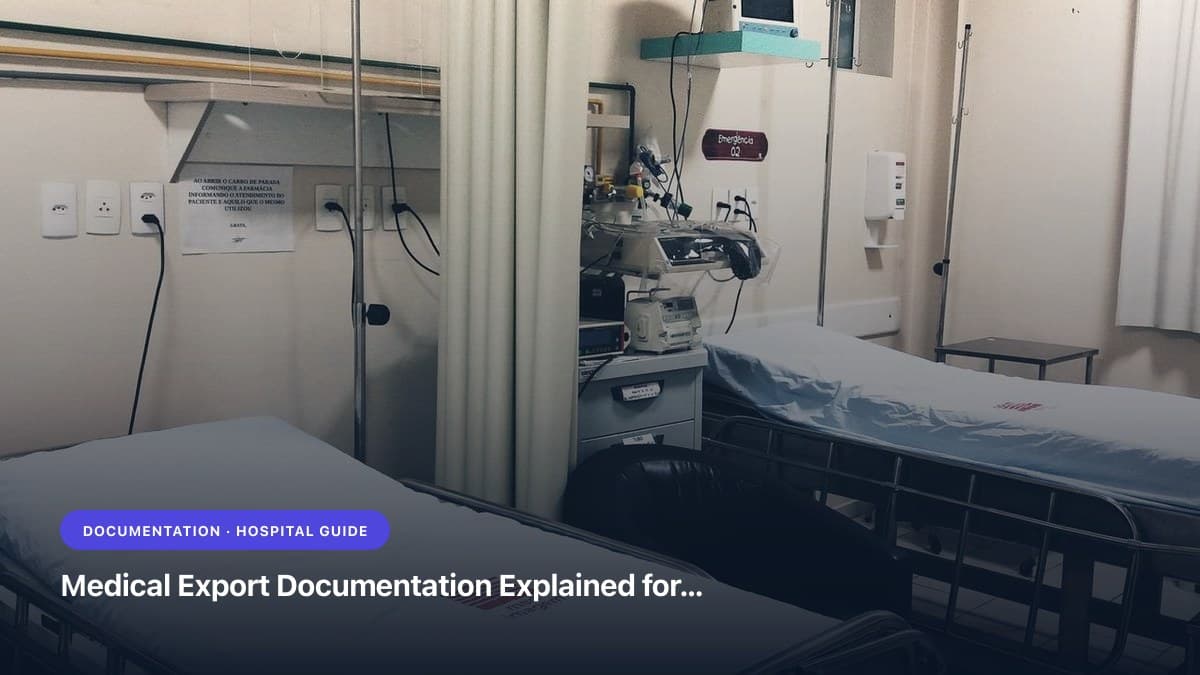
Invoice, packing list, COO and certificates — what each document does and why it matters.
For a first-time importer, export documentation can feel opaque. In practice it is a small, predictable set of documents — and a competent exporter prepares all of them for you. Understanding what each one does helps you spot problems before your goods are stuck at a port.
Some countries require legalization/attestation of documents, specific language versions, or pre-shipment inspection certificates. Confirm your import requirements with your customs broker before the goods ship — not after.
Incoterms define where the seller's responsibility ends and yours begins. The most common in medical trade are:
| Incoterm | Seller covers | Buyer covers |
|---|---|---|
| EXW (Ex Works) | Goods at factory | All freight, export & import |
| FOB (Free On Board) | Goods loaded at origin port | Sea freight + import |
| CIF (Cost, Insurance, Freight) | Freight + insurance to destination port | Import duties & inland |
| DDP (Delivered Duty Paid) | Everything to your door | Receiving only |
At minimum: a commercial invoice, packing list, bill of lading or airway bill, certificate of origin, and the relevant product certificates (CE/FDA/ISO). Some countries also require an import license or device registration.
A Certificate of Origin states where goods were manufactured. Customs authorities use it for import clearance and to determine any preferential duty treatment under trade agreements.
CIF (Cost, Insurance, Freight) means the seller covers freight and insurance to your destination port; you cover import duties and inland transport from there. It is one of several Incoterms that define who is responsible for each stage.
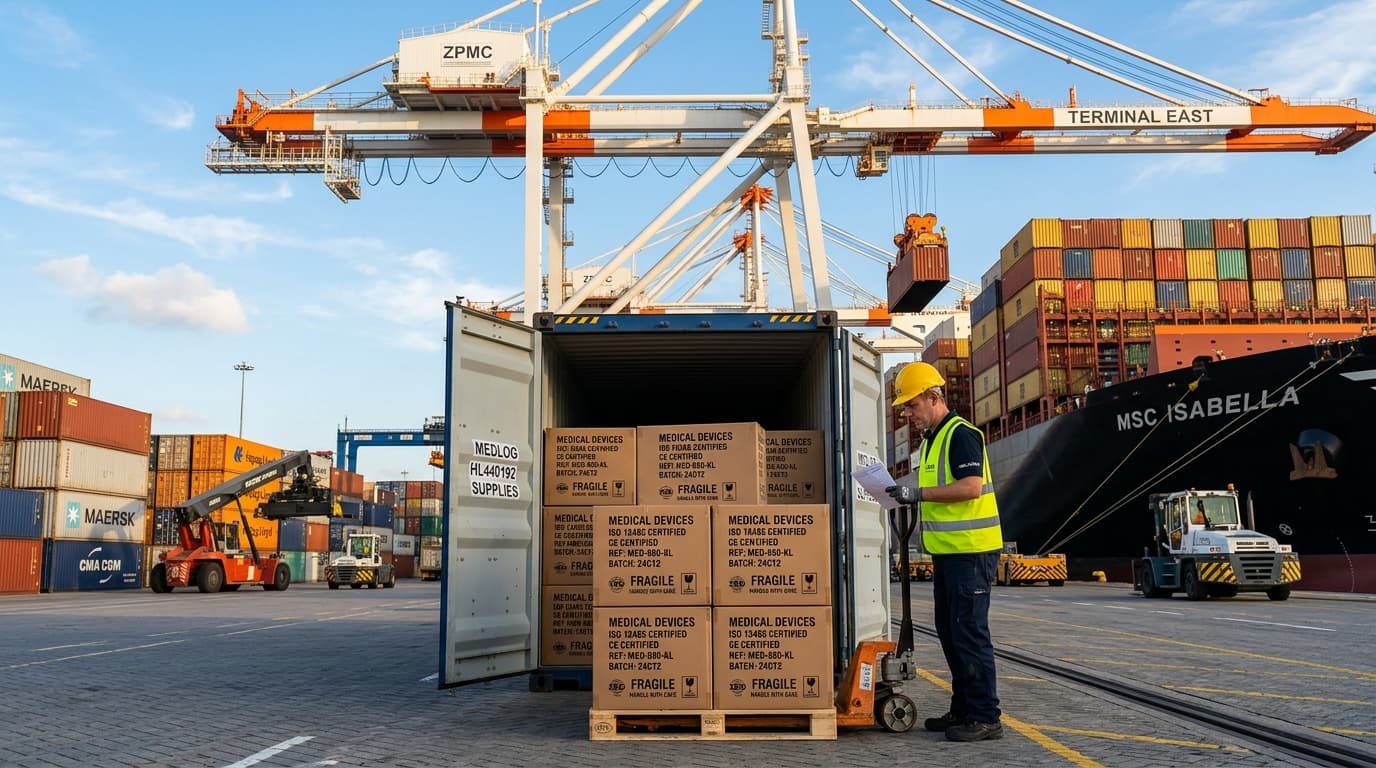
From certification to customs — the essentials every importer should verify before placing an order with an Indian medical supplier.
How order volume shapes pricing — and how to plan a first import that is easy to scale.
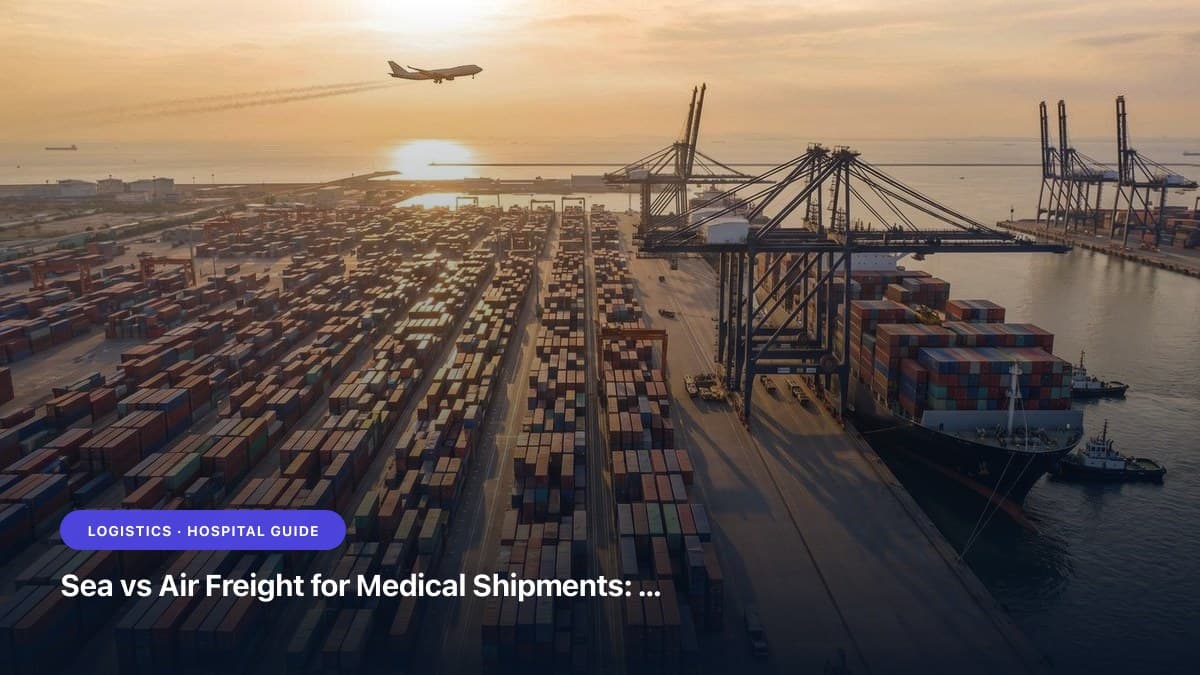
Balancing cost, speed and product type when choosing how to ship your order.