Sourcing Surgical Consumables at Scale: A Distributor's Guide
Sutures, blades, drapes and kits — how to source consumables that clear QC every time.

In surgical suites across Cairo, Lagos, Nairobi, and Johannesburg, a surgeon's incision precision depends entirely on the micro-geometry and tensile consistency of their surgical blade. A dull or burred blade causes tissue drag, micro-trauma, and delayed healing. Here is an in-depth breakdown of surgical blade metallurgy (Carbon Steel T10 vs. Stainless Steel AISI 420), automated sharpening tolerances, and airtight packaging standards built for African hospital environments.
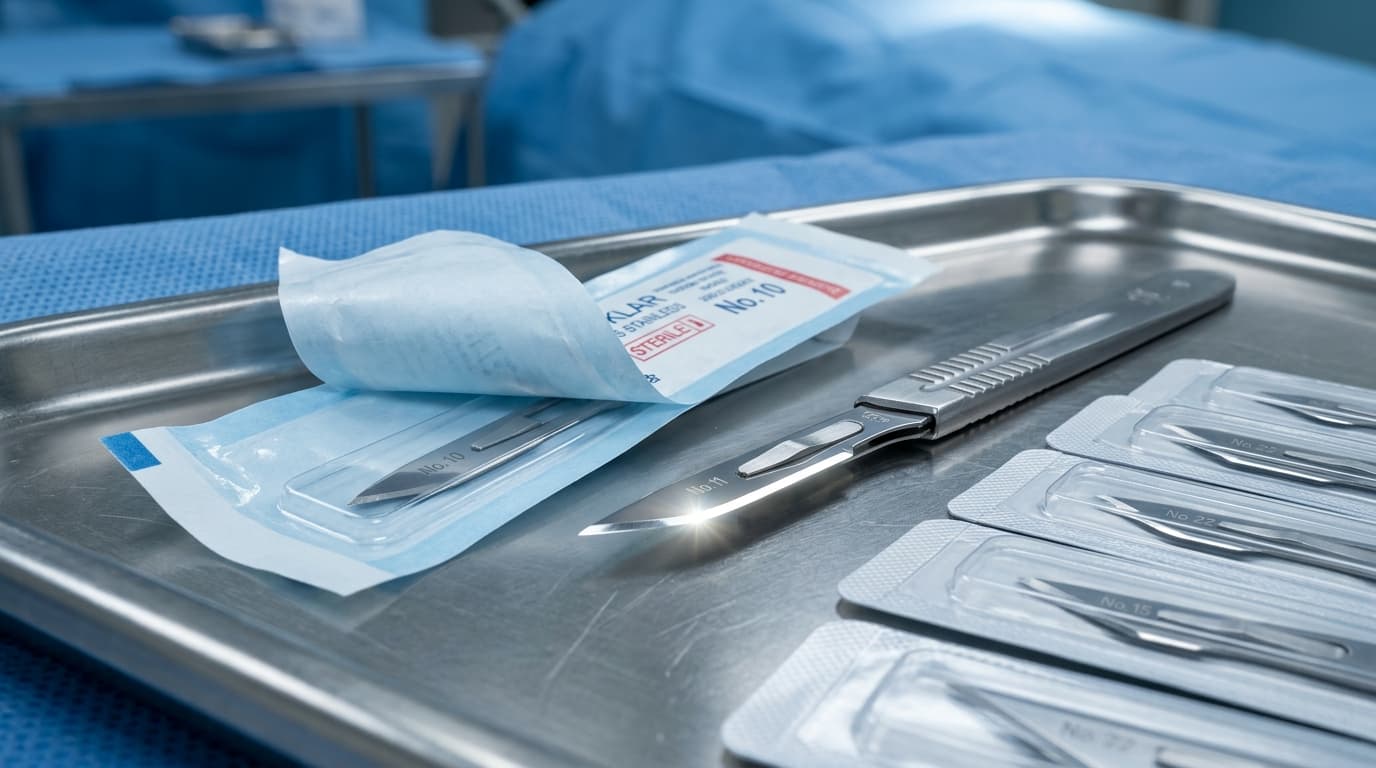
A clinical and engineering breakdown of surgical blade metallurgy (Carbon T10 vs. Stainless AISI 420), micro-honed edge retention, and tropical anti-corrosion packaging.
While surgical blades represent a small fraction of a hospital's procurement budget, they carry disproportionate clinical significance. When an incision drags or tears tissue rather than making a clean, atraumatic separation, postoperative recovery is compromised and the risk of surgical site infection (SSI) escalates.
For African healthcare procurement managers, sourcing surgical blades requires balancing two core factors: uncompromising edge geometry and total corrosion resistance in hot, humid coastal climates.
| Feature / Metric | Carbon Steel (Grade T10 / 1095) | Surgical Stainless Steel (AISI 420) |
|---|---|---|
| Hardness Rating | HV 750 – 820 (Rockwell C 62–64) | HV 700 – 750 (Rockwell C 58–60) |
| Initial Sharpness | Ultra-sharp razor edge; superior initial penetration force | Excellent sharpness; smooth, consistent gliding cut |
| Edge Retention | Exceptional edge durability across long, dense tissue incisions | Very good edge retention; ductile and resilient |
| Corrosion Resistance | Requires VCI protective foil coating in tropical storage | Naturally passive; excellent resistance to oxidation and humidity |
| Best Clinical Use | General surgery, plastic surgery, laparotomy, orthopedic incising | Cardiovascular surgery, ophthalmic incisions, coastal tropical clinics |
High-grade surgical blades manufactured at our partner facilities undergo automated CNC grinding with multi-axis diamond wheels followed by double-sided micro-honing. This ensures:
Standard plastic blister packs frequently allow moisture transmission over extended transit and warehouse storage in equatorial Africa. We package all sterile surgical blades in individual hermetically sealed VCI (Vapour Corrosion Inhibitor) foil peel-packets:
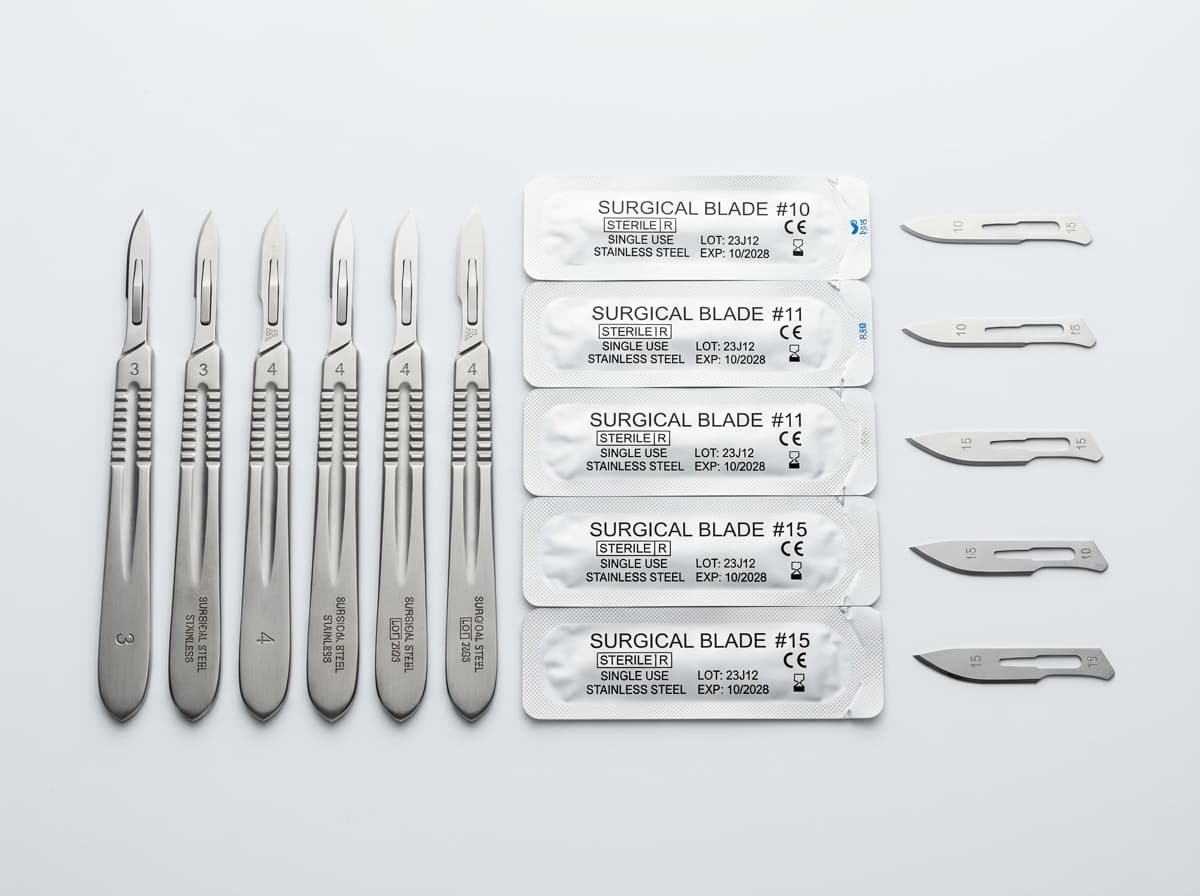
Ultra-sharp sterile surgical blades crafted from premium surgical steel with precision-ground edges and matching ergonomic scalpel handles for OR use. Container consignments dispatched from Port Mundra & Port Nhava Sheva, with certificates and test reports shared with every quotation.
Each blade is sealed in an individual VCI foil packet, packed 100 blades per dispenser box, and 10,000 blades (100 boxes) per heavy-duty master export carton.
Yes. We supply disposable safety scalpels featuring precision blades mounted on ergonomic plastic handles with protective blade guards.
Sutures, blades, drapes and kits — how to source consumables that clear QC every time.

A complete step-by-step procurement blueprint for international buyers importing surgical gloves, blades, syringes, and hospital disposables from Indian factories.
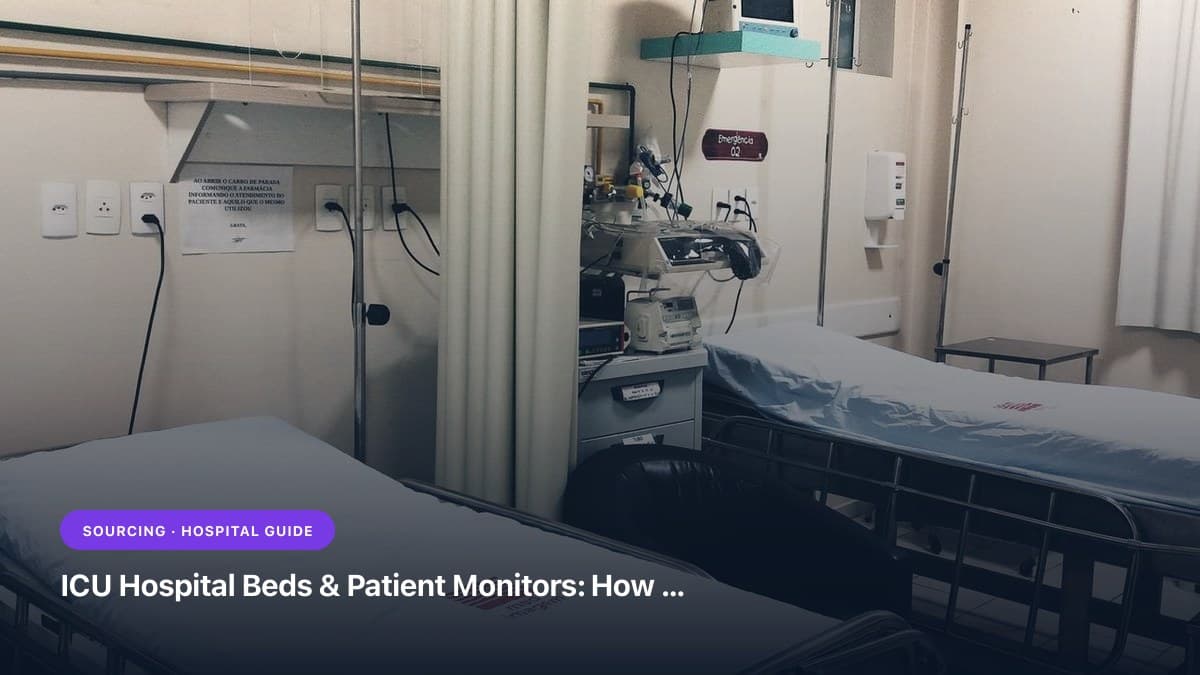
The ongoing modernization and construction of provincial general hospitals across Angola have generated sustained demand for high-durability patient ward furniture.