Central Venous Catheter (CVC) Kits Exporter to Bangladesh: DGDA Registration & Price Guide
ICUs and cardiac hospitals in Dhaka and Chittagong need complete Seldinger CVC sets. How Bangladeshi medical importers register and clear with DGDA.

A procurement officer at a mid-sized Dhaka private hospital told us her ward runs out of 22G IV cannulas roughly the same week every quarter, right when a Chittagong port delay overlaps with a local distributor's stock-out. She isn't buying from a small clinic. Her group runs over 300 beds and adds a new diagnostic wing most years. And she still can't get consistent local supply of a device as basic as an infusion set. That gap between hospital-building speed and consumable-sourcing maturity is the story of Bangladesh's medical device trade right now.
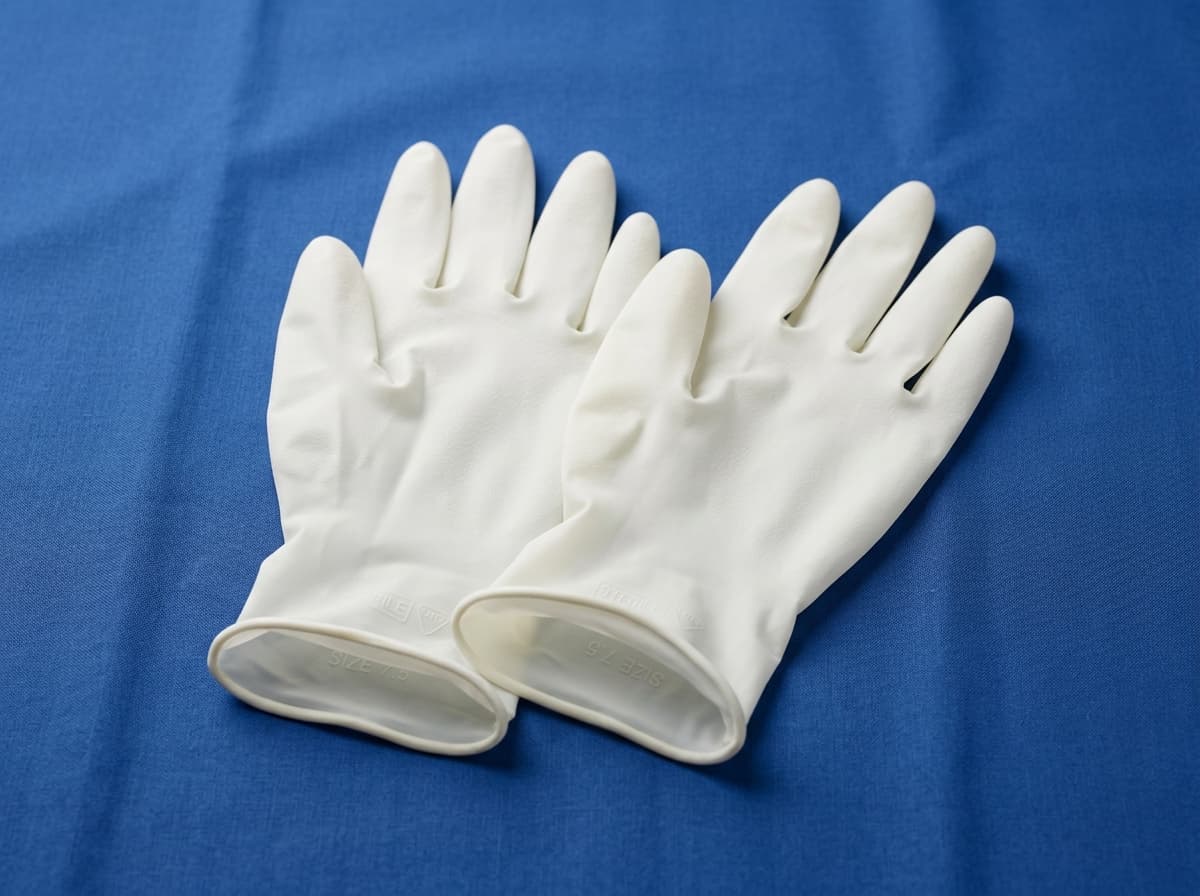
6,047 private hospitals and clinics now deliver over 60% of Bangladesh's healthcare services, but almost 90% of the devices running through their wards, including IV cannulas and infusion sets, still arrive on a ship from abroad.
In short: Bangladesh's private hospital sector delivers over 60% of national healthcare services and keeps expanding, but the country still imports close to 90% of its medical devices, including IV cannulas and infusion sets. Distributors sourcing for hospital groups need DGDA-registered, Chittagong or Mongla-ready suppliers, not local manufacturing promises that haven't scaled yet.
Bangladesh's healthcare market was valued at roughly $14 billion in early 2025 and is projected to reach $23 billion by 2030, growing at a 10.3% CAGR since 2010, according to the BIDA Investment Summit's healthcare sector report. The private sector is doing most of the heavy lifting. Directorate General of Health Services (DGHS) data cited by The Business Standard puts registered private hospitals and clinics at 6,047, running 126,353 beds, against just 665 public hospitals with 71,100 beds. Private hospitals now deliver over 60% of healthcare services nationwide, and roughly two-thirds of secondary and tertiary care, per Labaid Group and Evercare Hospital executives quoted in the same reporting.
That growth is showing up in fresh capacity too. A 300-bed private hospital in Bangladesh now costs around BDT 1,000 crore to build, and groups are still doing it, betting on rising urban demand, an aging population, and patients who currently spend an estimated $5 billion a year seeking treatment abroad that better local capacity could capture instead.
Hospital beds are one thing to build locally. Sterile, ISO-certified disposables are another. Industry estimates reported by The Business Standard put Bangladesh's medical device market at around Tk15,000 crore, but the country still imports nearly 90% of its devices, from syringes to surgical and imaging equipment. Bangladesh Bank data shows the country paid Tk60.80 billion for medical/surgical instrument imports in FY2024-25 alone, and National Board of Revenue figures show device imports nearly doubling from over Tk4,000 crore in FY2017 to Tk7,000 crore in FY2021.
IV sets and cannulas sit squarely inside that gap. JMI Group and Incepta have started producing infusion sets domestically for district-level hospitals, and DGDA import policy specifically flags parts and fittings for infusion sets (HS 3926.90.30 and related codes) as requiring Directorate General of Drug Administration approval before entry. But local output is still a fraction of what a sector adding tertiary beds every year actually consumes. As one JMI executive put it in industry coverage, IV sets are "essential for modern healthcare, yet there is no policy supporting local manufacturing" at the scale hospitals need.
For a distributor supplying private hospital groups, that means the reliable play right now is a DGDA-registered import pipeline, not a bet on domestic capacity catching up before the next tender cycle.
Bangladesh's own device market is heavily under-invoiced and price-sensitive, which is exactly why hospital groups increasingly benchmark Indian FOB pricing against European landed cost before signing an annual framework agreement.
| Item | Manshav Impex (India) FOB | European Brand — Landed Bangladesh |
|---|---|---|
| IV Cannula 18G-24G (per 1,000 pcs) | $38-52 | $95-140 |
| IV Infusion Set, Luer Lock (per 1,000 pcs) | $110-145 | $260-340 |
| 3-Way Stopcock / Extension Set (per 1,000 pcs) | $55-75 | $120-170 |
| Manufacturer | Strength | Typical Positioning vs. Manshav |
|---|---|---|
| Hindustan Syringes & Medical Devices (HMD) | High-volume syringes and IV sets | Comparable quality, higher MOQ thresholds |
| Polymed | Broad infusion and IV cannula catalog | Similar spec range, mid-tier MOQ |
| Romsons Group | Infusion sets, urology consumables | Wider catalog, slightly lower unit cost on basics |
| Dolphin Meditech | IV cannula OEM/private label | Competitive on private-label runs for distributors |
Manshav Impex ships ISO 13485-certified IV cannulas and infusion sets from Mundra and Nhava Sheva to Chittagong and Mongla, with DGDA-ready documentation. Browse the full catalog or request a quote for your next tender cycle.
A distributor stocking for three private hospital groups at once doesn't actually care whether the device was made in Dhaka or Gujarat. They care whether it clears DGDA on schedule and whether the next container lands before the ward runs out, and right now, that reliability still favors an established import pipeline over a domestic industry that's growing but not yet at hospital scale.
The market signal is straightforward. Bangladesh's private hospital sector isn't pausing to wait for local device manufacturing to mature. New tertiary hospitals, specialty clinics, and diagnostic centers keep opening, and each one needs a working IV line on day one. Until domestic infusion-set output scales past district-hospital volumes, the import channel is the supply chain, and the distributors who keep DGDA paperwork clean and lead times predictable are the ones winning repeat orders from hospital procurement desks, not the ones with the lowest quoted price on a single shipment.
Yes. Under the Drug and Cosmetics Act 2023, all Class B/C/D medical devices, including IV cannulas and infusion set components, require DGDA registration and indent (proforma invoice) approval before customs clearance.
Industry estimates reported by The Business Standard put import dependency at roughly 90% for devices ranging from syringes to imaging and surgical equipment, despite a growing base of local manufacturers like JMI Group and Incepta.
Chittagong (Chattogram) and Mongla are the two practical discharge ports for containerized medical consumable shipments from Nhava Sheva or Mundra, with sea transit typically running 7-10 days.
Private hospitals and clinics already deliver over 60% of national healthcare services and about two-thirds of secondary/tertiary care, driven by urbanization, a growing middle class, and government tax incentives for hospitals built outside Dhaka, Narayanganj, Gazipur, and Chattogram.
DGDA holds one indent approval meeting per month, and the process typically takes around 30 days, so distributors should build that into their shipment planning rather than ordering reactively.
Indian FOB pricing typically runs well below European landed cost for equivalent ISO 7886/ISO 10555-compliant IV cannulas and infusion sets, which is why most private hospital groups in Bangladesh source primarily from Indian manufacturers.
A small number, including JMI Group and Incepta, have started producing infusion sets and related consumables domestically, mainly for district-level hospitals, but volumes remain far below what the growing private tertiary hospital sector needs.
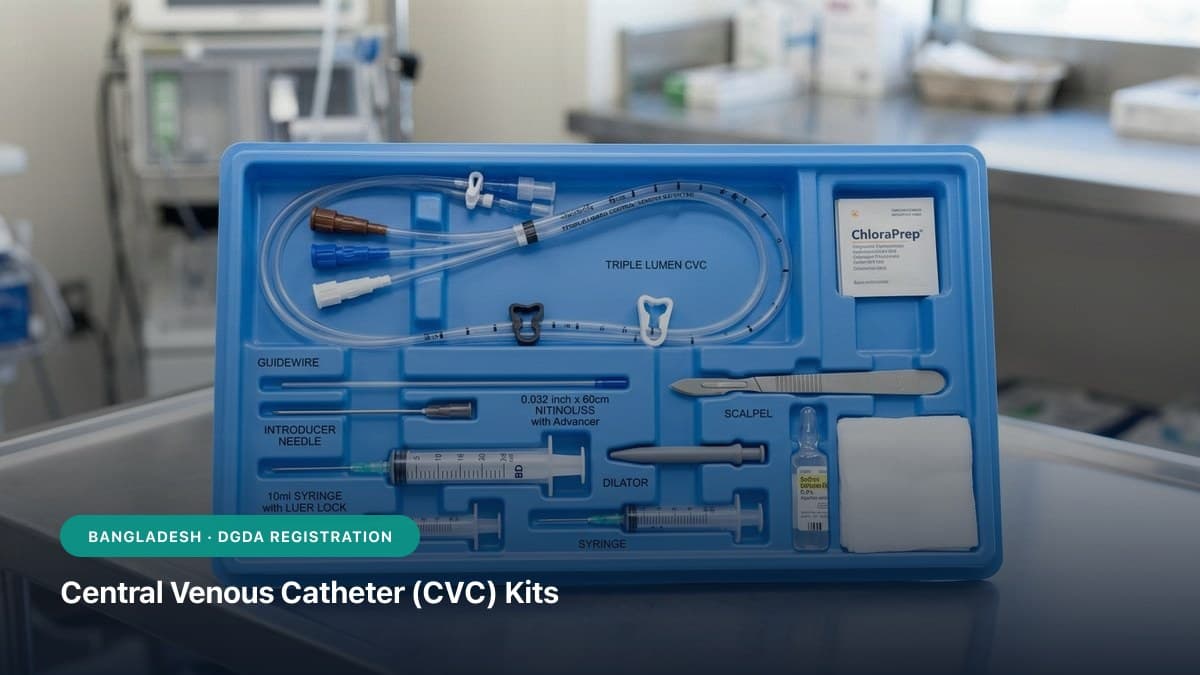
ICUs and cardiac hospitals in Dhaka and Chittagong need complete Seldinger CVC sets. How Bangladeshi medical importers register and clear with DGDA.
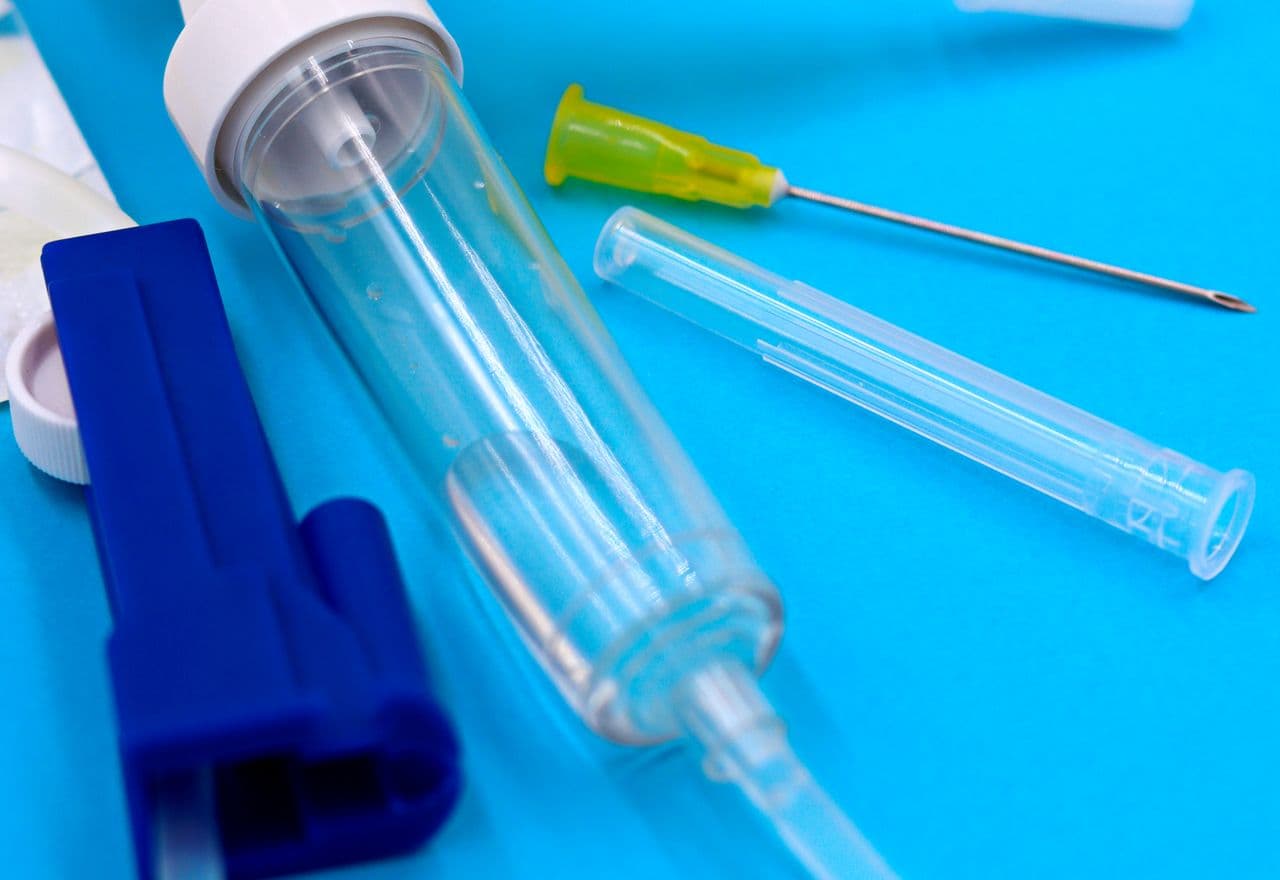
Regulatory compliance and corridor logistics playbook for Zimbabwean pharmaceutical distributors sourcing IV infusion sets and cannulas into Harare and Bulawayo.
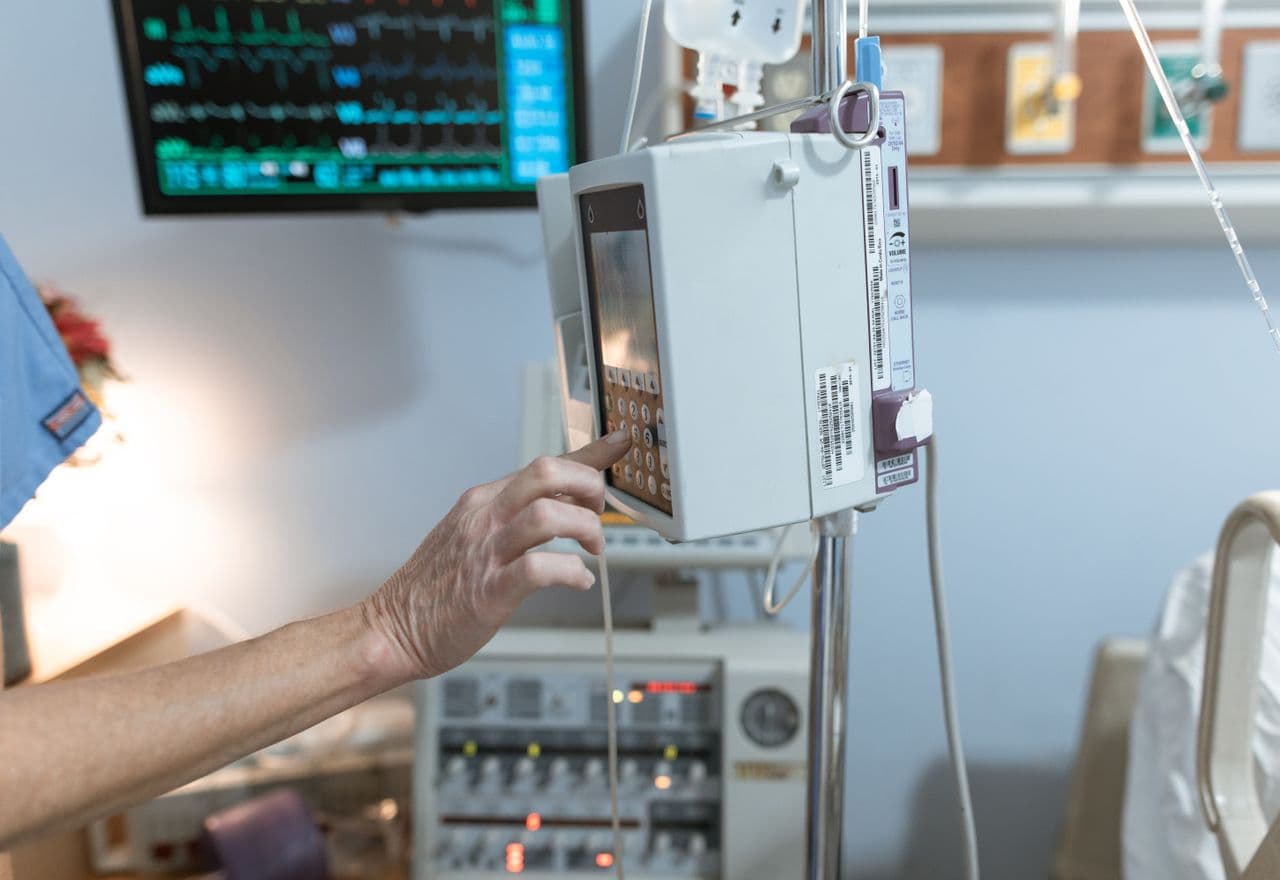
Technical evaluation guide for biomedical engineers and hospital procurement directors sourcing open-system volumetric IV infusion pumps conforming to IEC 60601.