Sourcing Volumetric Infusion Pumps from India: Biomedical Calibration, Open-System Economics, and Hospital Tender Compliance
In modern intensive care units (ICUs), oncology day-wards, and operating suites, precise fluid delivery is clinically non-negotiable. Administering potent inotropes, chemotherapy regimens, or pediatric intravenous electrolytes demands delivery accuracy that gravity infusion sets cannot provide. Sourcing reliable, micro-processor-controlled volumetric infusion pumps from certified Indian manufacturers offers an alternative: open-system architecture, robust calibration reliability, and compliance with international IEC 60601 electrical and safety benchmarks.
Sharmil Mangukiya (Founder & MD) 9 min read September 17, 2026
Key Summary & AI Takeaways
Technical evaluation guide for biomedical engineers and hospital procurement directors sourcing open-system volumetric IV infusion pumps conforming to IEC 60601.
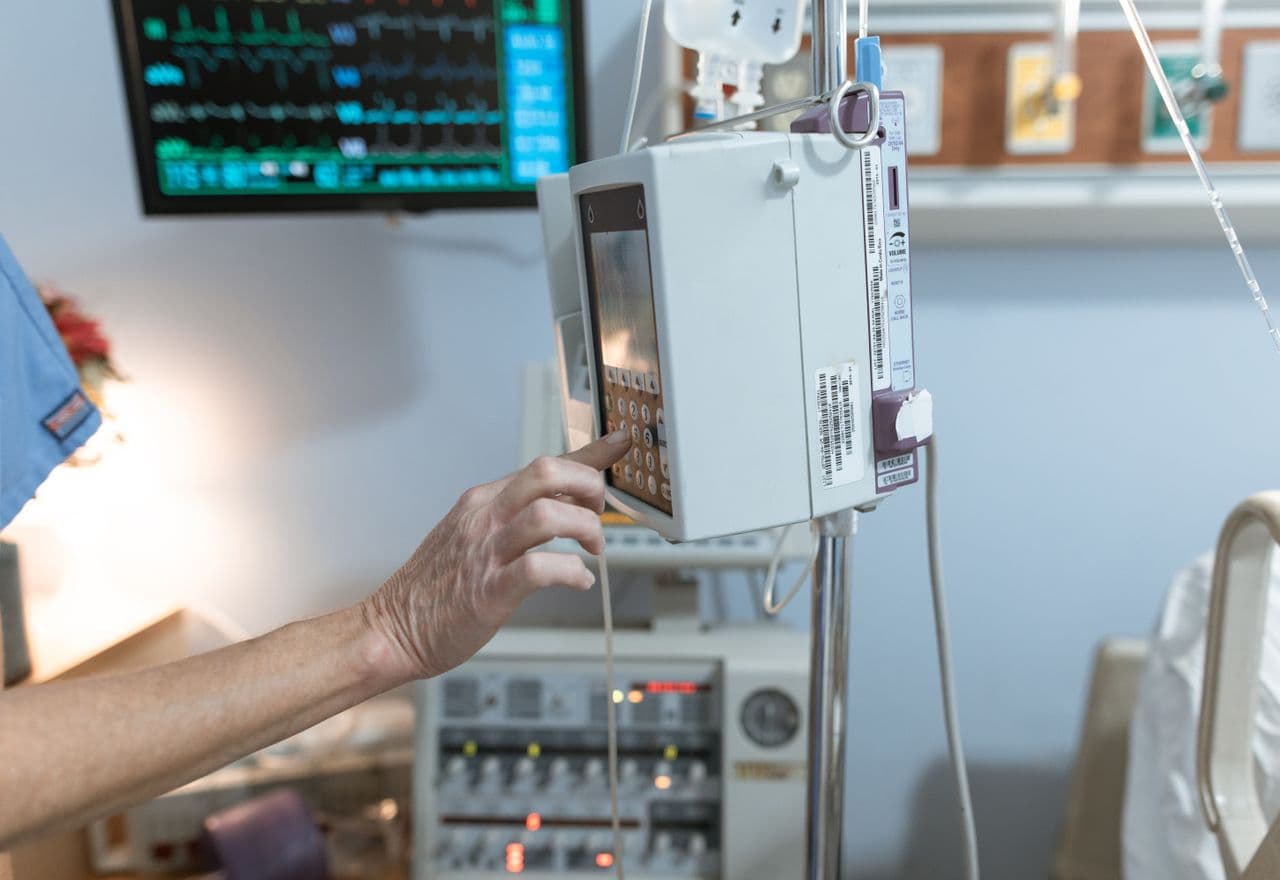
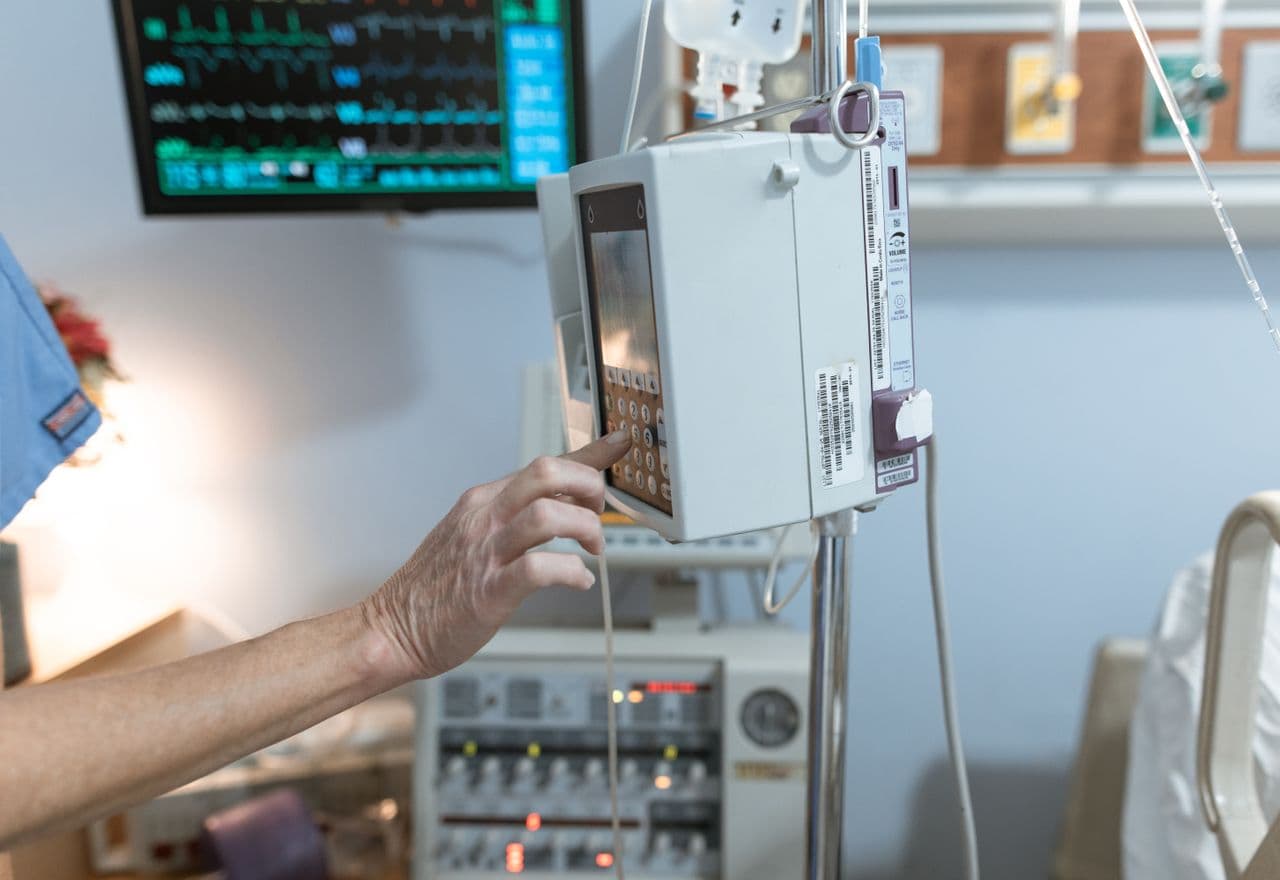
Micro-processor controlled volumetric infusion pump with linear peristaltic mechanism and ultrasonic air-in-line sensor.
Open-System Consumable Economics: 40% to 65% Lifetime Savings
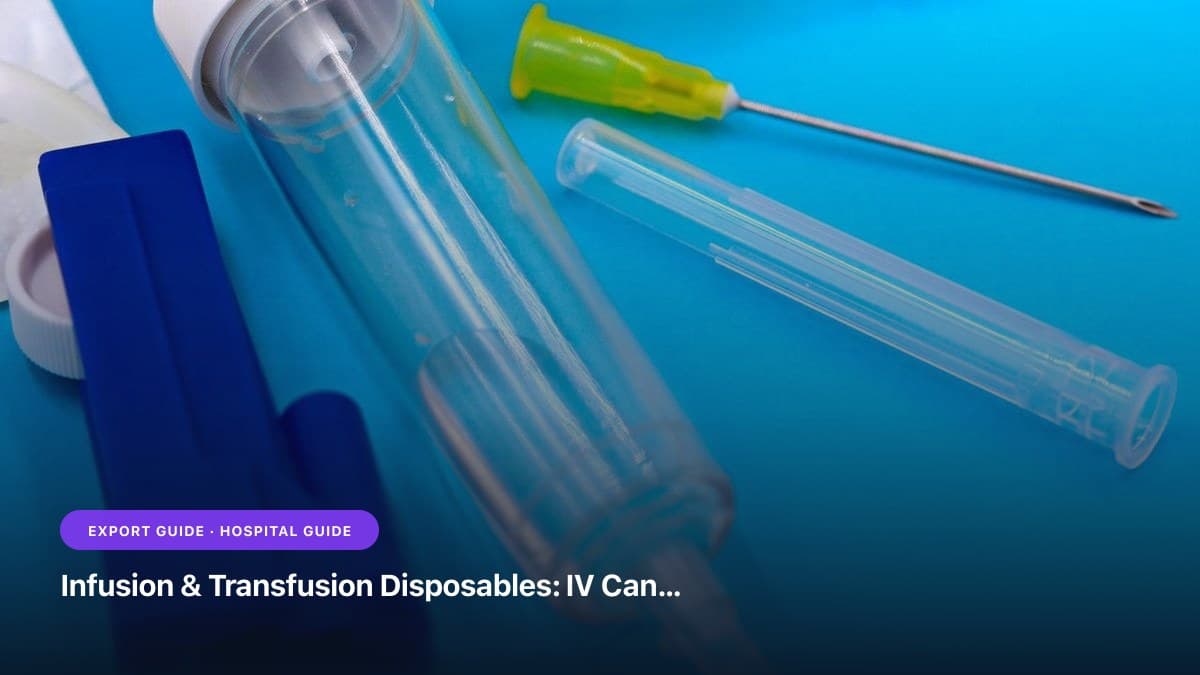
Purchasing closed-system pumps creates long-term consumable price lock-ins. Indian open-system volumetric infusion pumps feature digital calibration menus that allow hospital biomedical engineers to calibrate the pump to any standard disposable IV set (20 drops/ml or 60 drops/ml) conforming to ISO 8536-4, saving significant recurring operational expenditure.
Hospital tenders require compliance with IEC 60601-1 and IEC 60601-2-24. Critical safety features include ultrasonic air-in-line bubble detection (25-50 µL threshold), piezoresistive occlusion pressure monitoring (30 to 130 kPa), automatic Keep Vein Open (KVO) mode, anti-free-flow safety clamps, and universal switch-mode power supplies (100V-240V AC).
Engineering Parameter
Clinical Tender Requirement
Indian Manufacturing Benchmark
Electrical Safety Standard
IEC 60601-1 / IEC 60601-2-24
Class I, Type CF Defibrillator-Proof
Flow Rate Range
0.1 to 1200 ml/h in 0.1 ml/h steps
0.1 to 1200 ml/h with micro-step motor
Delivery Accuracy
Within +- 2% to +- 5%
+- 2% after digital tube calibration
Air Detection Sensor
Ultrasonic wave detection (>= 25 µL)
Dual ultrasonic sensor array with alarm
Battery Backup
Minimum 4 hours continuous run
Built-in Lithium-ion (>= 5 hours at 25 ml/h)
Consumable Compatibility
Proprietary cassette lock-in
Open-system calibration to all ISO 8536-4 IV lines
When a hospital purchases an infusion pump, they are not just buying hardware; they are entering a multi-year consumable commitment. An open-system pump that reliably calibrates to standard ISO IV sets returns its full purchase price in consumable savings within the first eighteen months of clinical operation.
Frequently asked questions
What is the difference between a volumetric pump and a syringe pump?
Volumetric pumps pump fluid from IV bags at rates up to 1200 ml/h for hydration and nutrition; syringe pumps drive syringes with high precision for micro-titrated drugs.
Can open-system pumps work with DEHP-free tubing?
Yes, the digital calibration software adjusts for wall elasticity across standard medical PVC, DEHP-free PVC, and dedicated silicone segments.
How does the pump respond when air bubbles are detected?
The ultrasonic air sensor immediately stops motor rotation, illuminates a red alarm light, sounds an audible alert, and engages the anti-free-flow clamp.
What power supply requirements apply for international exports?
Export units feature universal switch-mode power supplies operating seamlessly across 100V-240V AC at 50/60 Hz.
What is the recommended calibration frequency?
Biomedical engineering protocols recommend annual flow rate verification and occlusion pressure checks using certified infusion analyzers.
Manshav Impex
Manshav Impex is a global exporter of medical devices, surgical consumables and healthcare solutions, serving importers, distributors, hospitals and governments in 48+ countries.