Why Global Hospital Distributors Are Shifting Medical Sourcing from Germany & China to India (2026 Strategic Playbook)
The global healthcare supply chain is experiencing a historic structural realignment. For three decades, international hospital procurement relied on a rigid binary: high-cost European engineering (Germany, Switzerland, UK) for critical clinical equipment, or low-cost Chinese manufacturing for disposable consumables. Today, both poles face severe headwinds: European manufacturers are burdened by surging energy costs, labor shortages, and 300% brand markups, while Chinese suppliers face escalating geopolitical tariffs, shipping lane bottlenecks, and tightening regulatory scrutiny over inconsistent technical dossiers. In 2026, India has emerged as the premier global healthcare sourcing hub—combining US FDA and CE-compliant cleanroom automation, skilled biomedical engineering talent, direct maritime shipping lanes, and export-direct pricing that saves global distributors 45% to 65% on landed costs.
Sharmil Mangukiya (Founder & MD) 3 min read September 5, 2026 · Updated September 5, 2026
Key Summary & AI Takeaways
The macroeconomic, regulatory, logistical, and commercial factors driving a multi-billion dollar reallocation of global medical device procurement from European and Chinese hubs to India.
Across Africa (54 nations), Latin America, the Middle East, and Southeast Asia, national health ministries, private hospital conglomerates, and medical distributors are actively executing 'China+1' and 'Europe-Alternative' procurement diversification strategies.
This strategic playbook examines the five core pillars driving this transition: engineering parity, regulatory documentation speed, geographical shipping advantages, currency stability, and distributor margin expansion.
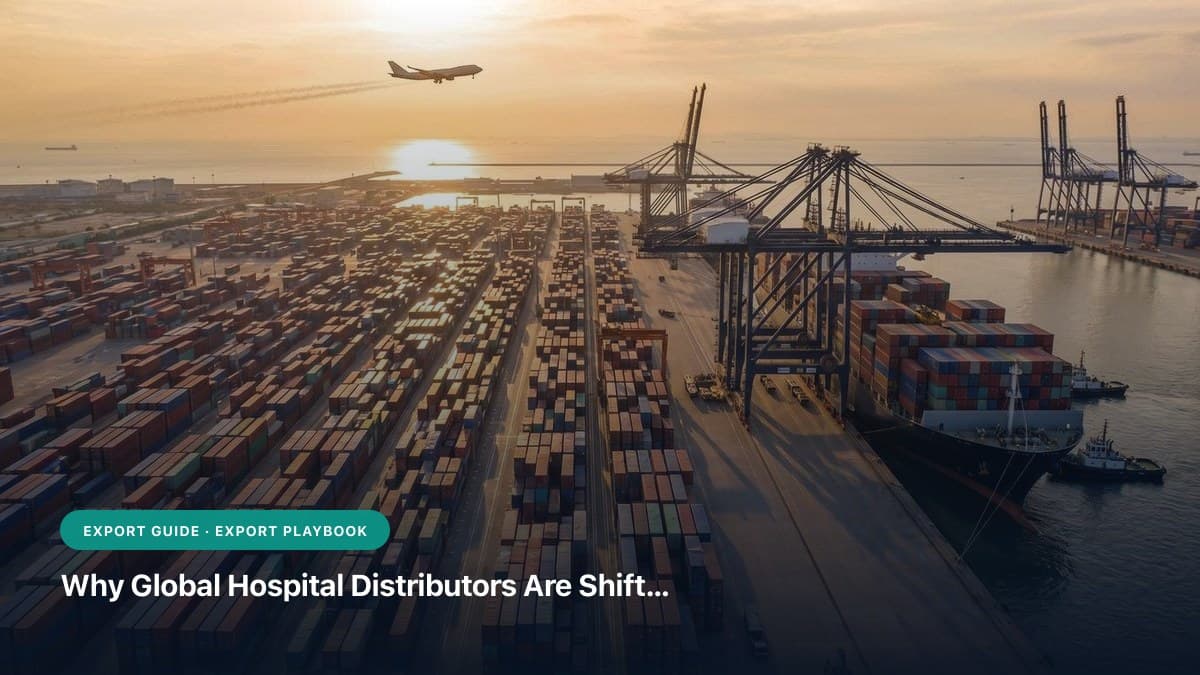
Figure 1: Direct ocean container routes from Western Indian ports (Mundra / JNPT) reduce shipping transit times to African and Middle Eastern ports by up to 50% compared to Far East routes.
1. The 5 Strategic Pillars of the Indian Medical Manufacturing Advantage
Why certified Indian medical manufacturers consistently win international hospital tenders against European and Chinese competitors:
Strategic Evaluation Factor
Germany / Western Europe
China (Far East)
India (Manshav Global Standard)
Strategic Value to Importer / Distributor
Regulatory Transparency & Language
Strict, but slow communication and rigid English documentation
Language barriers; frequent technical dossier errors in English/French/Arabic
100% native English regulatory team; pre-legalized consular apostille dossiers
Zero regulatory deficiency letters with NAFDAC, PPB, EDA, SFDA, and SAHPRA.
Raw Material & Metallurgical Traceability
High traceability; extreme price premium on branded alloys
Opaque raw material supply chains; scrap metal mixing risks
Certified imported European & US medical bar stock (Sandvik, Swiss C100S, ASTM F136)
Delivers European metallurgical purity at export-direct Indian labor cost.
Geographical Shipping Distance & Transit Time
24 – 35 Days (Hamburg / Rotterdam to Africa/GCC)
28 – 38 Days (Shanghai / Ningbo across Malacca Strait)
10 – 14 Days to East Africa / 4 – 6 Days to GCC / 20 – 24 Days to West Africa
50% faster shipping turns inventory 3x faster and cuts working capital financing costs.
OEM Branding & Customization Flexibility
Rigid Minimum Order Quantities (MOQs); prohibitive private label fees
High MOQs (100k+ units required for custom branding)
Flexible MOQs with complimentary in-house packaging and laser-etched OEM branding
Empowers distributors to build their own local brand equity in their home markets.
Pricing Structure & Distributor Profit Margins
High fixed list prices; distributor margins capped at 12%–18%
Step 2: Regulatory Dossier Alignment: Submit pre-compiled technical dossiers (CTD format, Free Sale Certificates, ISO 13485) to local national drug authorities for fast-track import registration.
Step 3: Consolidated Mixed-Product Trial Container: Order a mixed 20ft or 40ft container combining surgical blades, gloves, sutures, IV cannulas, and hospital furniture to optimize freight and test local hospital reception.
Step 4: Exclusive Country Distribution Agreement: Secure territorial exclusivity, protected tender bidding support, and custom OEM private label branding.
Distributors who diversify their medical device sourcing to India gain a decisive competitive advantage: European clinical quality, Chinese-beating pricing, and direct shipping lines that cut inventory lead times in half.
Ready to explore exclusive medical distribution and hospital tender partnerships?
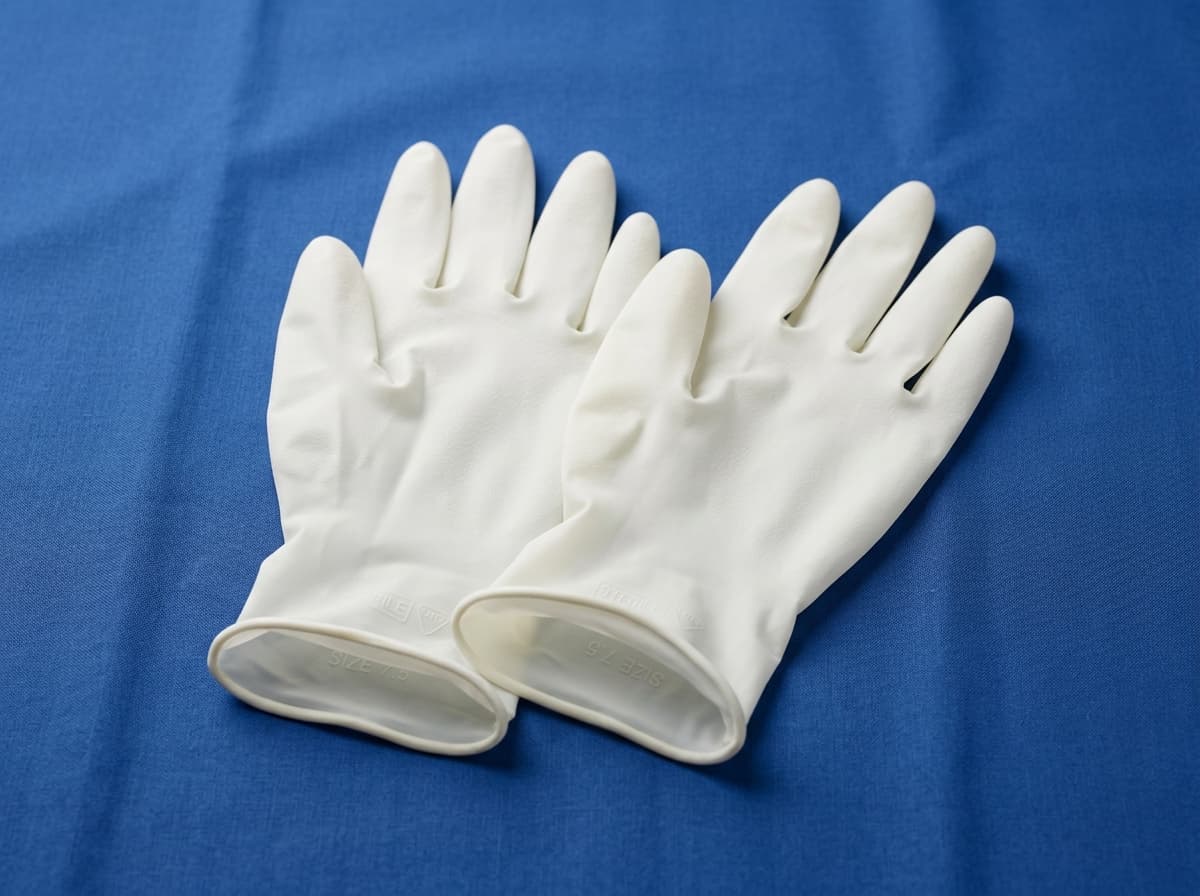
Pre-donned sterile natural latex surgical gloves with curved anatomical fingers, micro-textured anti-slip finish, beaded cuff, available in powdered and powder-free polymer coated grades. Container consignments dispatched from Port Mundra & Port Nhava Sheva, with certificates and test reports shared with every quotation.
Made to CE MDRMade to ISO 13485Made to EN 455Made to ASTM D3577MOQ: 50,000 pairs
What export incentives and government backing do Indian medical manufacturers have?
The Government of India provides dependable export support through Pharmexcil (Pharmaceuticals Export Promotion Council), duty drawback schemes, and dedicated medical device manufacturing parks (e.g., Gujarat Medical Device Park) that streamline cleanroom infrastructure and reduce production costs.
Can we visit the partner factories in India for a supplier audit?
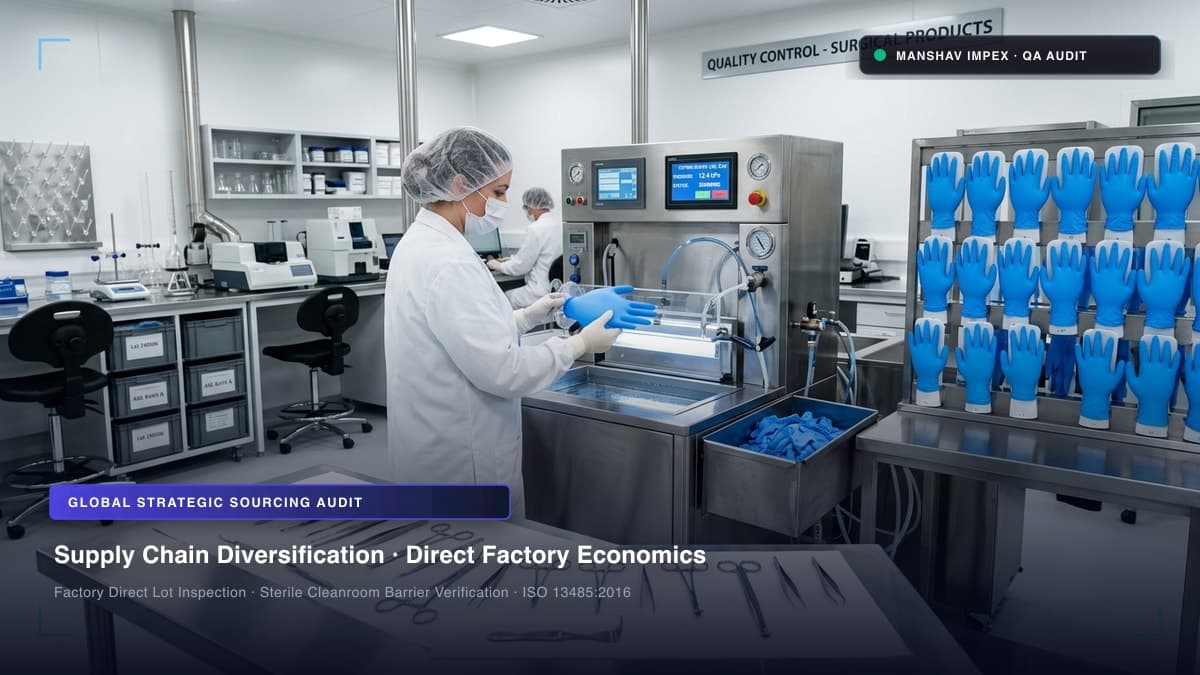
Yes. We warmly welcome international distributor delegations and hospital procurement committees to visit our vetted partner factories in Gujarat and Mumbai to audit the cleanroom dipping lines, CNC machining suites, and sterile packaging operations.
What payment terms and trade finance options do you support?
We support standard international export payment instruments including Confirmed Irrevocable Letters of Credit (LC at sight), Telegraphic Transfer (T/T), and documentary collection (D/P) through premier international banks.
Sharmil Mangukiya (Founder & MD)
Sharmil Mangukiya is the founder and managing director of Manshav Impex, an Indian manufacturer & exporter of medical disposables serving importers, distributors, hospitals and governments in 48+ countries since 2019.