Hypodermic Syringes & IV Cannulas: Luer Lock vs Luer Slip, Siliconization & Needle Penetration Force Standards
A clinical engineering guide on selecting high-grade disposable hypodermic syringes, needles, and IV cannulas for hospital supply chains.

Following transurethral resection of the prostate (TURP) or extensive bladder tumor resections, patients experience significant post-operative hematuria. Without continuous bladder irrigation (CBI), blood pools and forms large intra-vesical clots, leading to severe bladder spasm, urethral tamponade, and surgical revision. Urology theaters and post-anesthesia care units across Chile—including facilities supplied by the Central Nacional de Abastecimiento (CENABAST)—mandate continuous supplies of heavy-duty 3-way Foley catheters. Sourcing the right material formulation, balloon symmetry, and irrigation lumen capacity is essential for preventing catheter collapse under aggressive saline inflow.
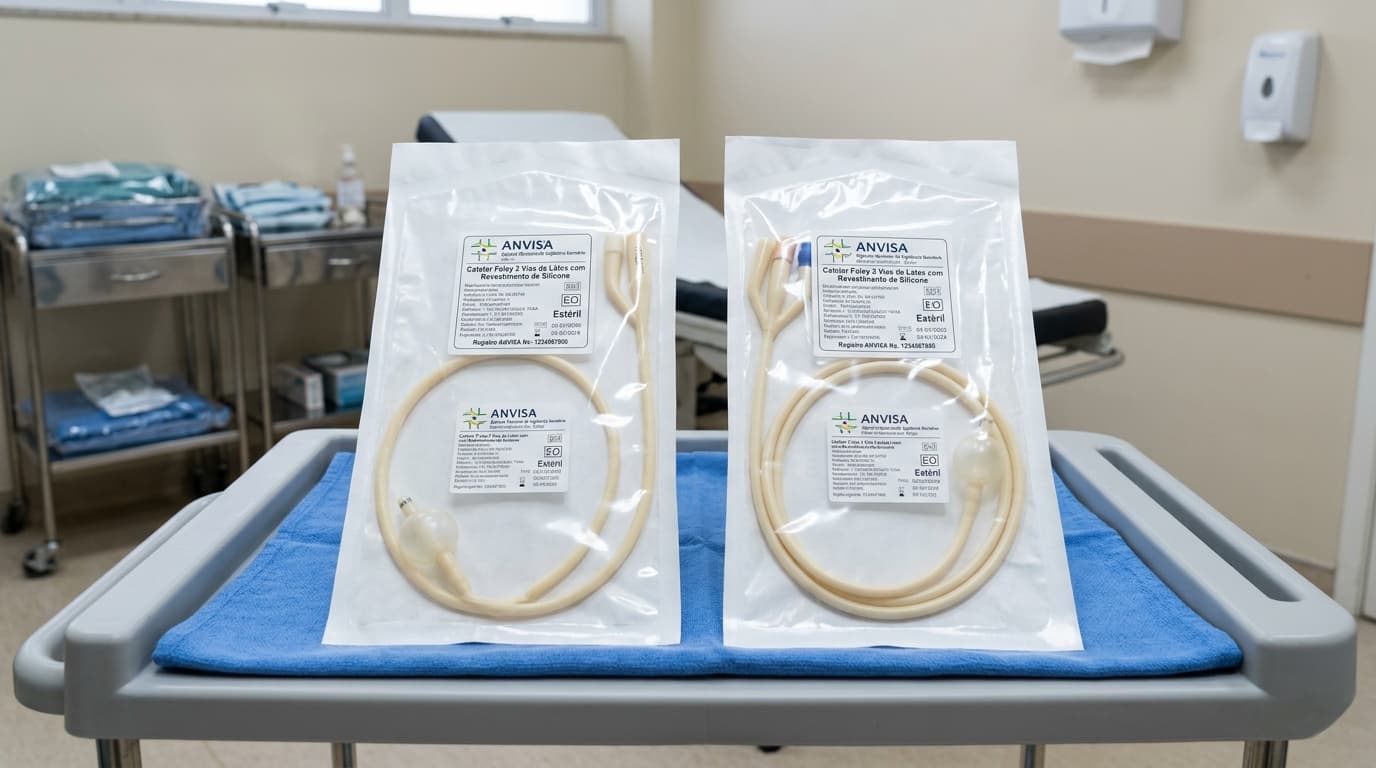
Following transurethral resection of the prostate, continuous bladder irrigation via heavy-duty 3-way Foley catheters is essential to prevent clot retention.
Unlike standard 2-way catheters (which have only an inflation lumen and drainage lumen), 3-way Foley catheters incorporate an independent irrigation lumen. This third channel allows continuous inflow of cold sterile saline while the large drainage lumen simultaneously evacuates urine, blood, and clot fragments, preventing intra-vesical clot retention.
| Catheter Size (French / Ch) | Outer Diameter | Balloon Volume | Primary Clinical Application in Chile | Sourcing Proportion |
|---|---|---|---|---|
| 18 Fr – 20 Fr | 6.0 – 6.7 mm | 30 ml | Mild hematuria, post-operative routine prostatectomy drainage | 25% |
| 22 Fr | 7.3 mm | 30 ml – 50 ml | Moderate to heavy bleeding with micro-clot formation | 45% |
| 24 Fr | 8.0 mm | 30 ml – 50 ml | Severe macro-hematuria; allows evacuation of large fibrin clots | 30% |
In post-TURP management, balloon symmetry is everything. If a 30ml balloon inflates eccentrically, the catheter tip tilts against the bladder wall, causing intense patient tenesmus and occluding the drainage eyelet, which results in acute clot retention.
To clear Valparaíso or San Antonio: Instituto de Salud Pública (ISP) registration, batch-level sterility certificates (ISO 11135), and balloon burst-volume testing inflated to 150% rated volume without bursting.
The larger 30ml to 50ml balloon provides gentle pressure tamponade against the prostatic surgical bed to slow venous bleeding while preventing the catheter from slipping into the prostatic fossa.
Only if inferior, thin-walled catheters are used. Certified 3-way catheters utilize reinforced wall webbing that maintains structural integrity even under high continuous irrigation pressure.
Couvelaire tips feature an open whistling-mouth distal tip and large side eyes, specifically designed for aggressive flushing and evacuation of heavy blood clots.
Individually packed in sterile peelable foil-poly or Tyvek blister pouches, 10 units per inner dispenser box, 500 units per master export carton.
Ocean freight from JNPT to Valparaíso or San Antonio typically transits in 38 to 44 days.
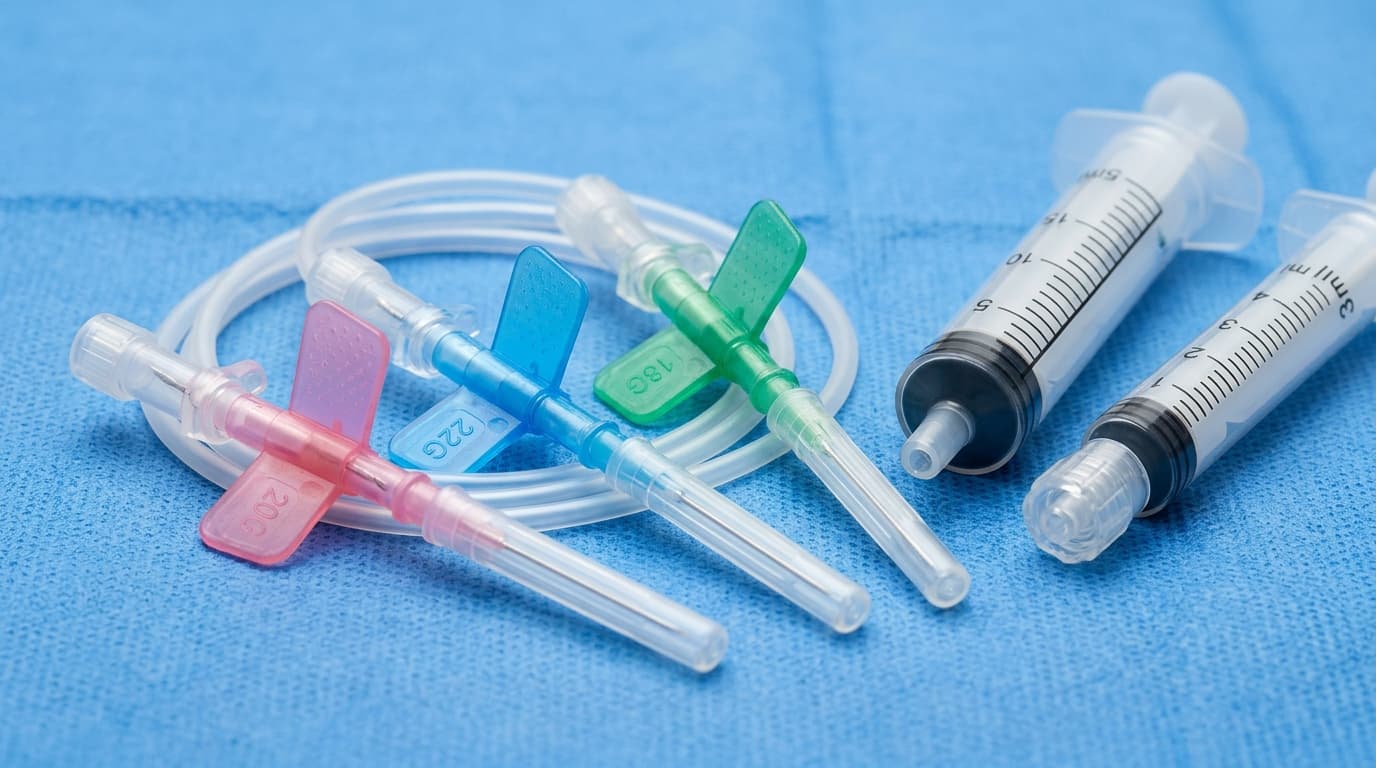
A clinical engineering guide on selecting high-grade disposable hypodermic syringes, needles, and IV cannulas for hospital supply chains.
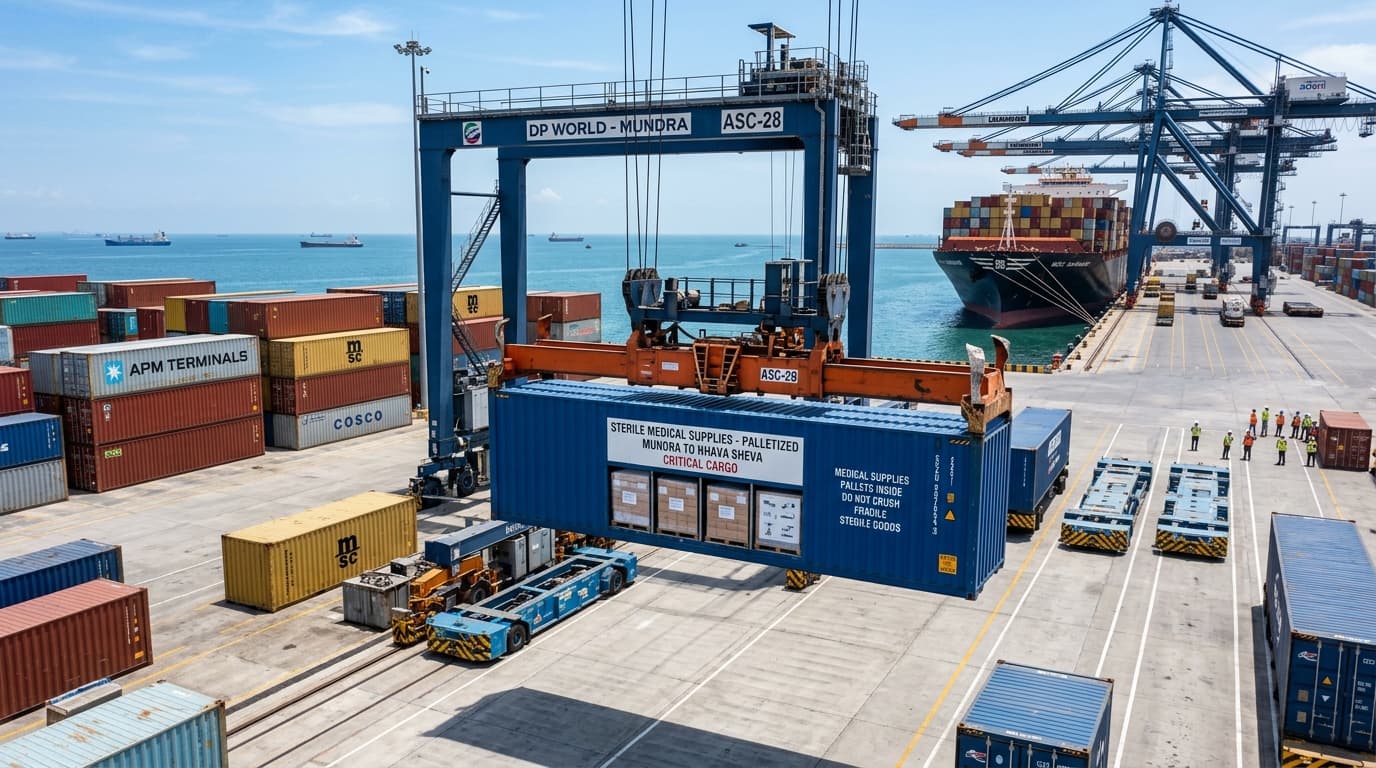
A complete step-by-step procurement blueprint for international buyers importing surgical gloves, blades, syringes, and hospital disposables from Indian factories.
Invoice, packing list, COO and certificates — what each document does and why it matters.