Sterile Surgical Gloves: Latex vs. Nitrile Powdered & Powder-Free Buyer Comparison
Latex or Nitrile? Powdered or Powder-Free? What African hospital buyers and importers must evaluate before bulk purchasing.

Surgical procurement committees face an ongoing clinical and commercial challenge: balancing operating room safety, tactile sensitivity, and budget allocations across sterile surgical glove contracts. Evaluating Natural Rubber Latex (NRL), Synthetic Polyisoprene (PI), and Specialized Surgical Nitrile ensures procurement teams meet surgeon expectations while maintaining contract value.
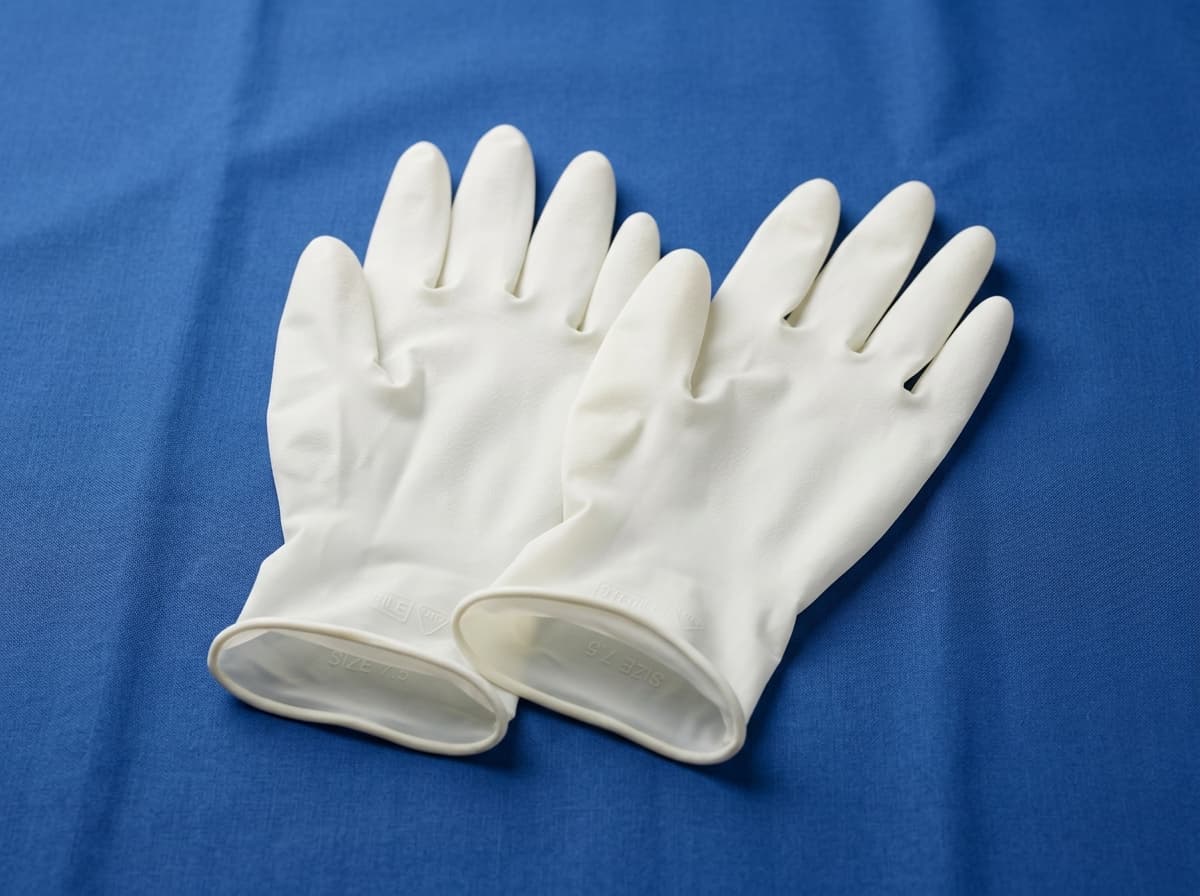
A clinical and commercial evaluation of latex, synthetic polyisoprene, and nitrile surgical gloves for hospital operating theatre tenders.
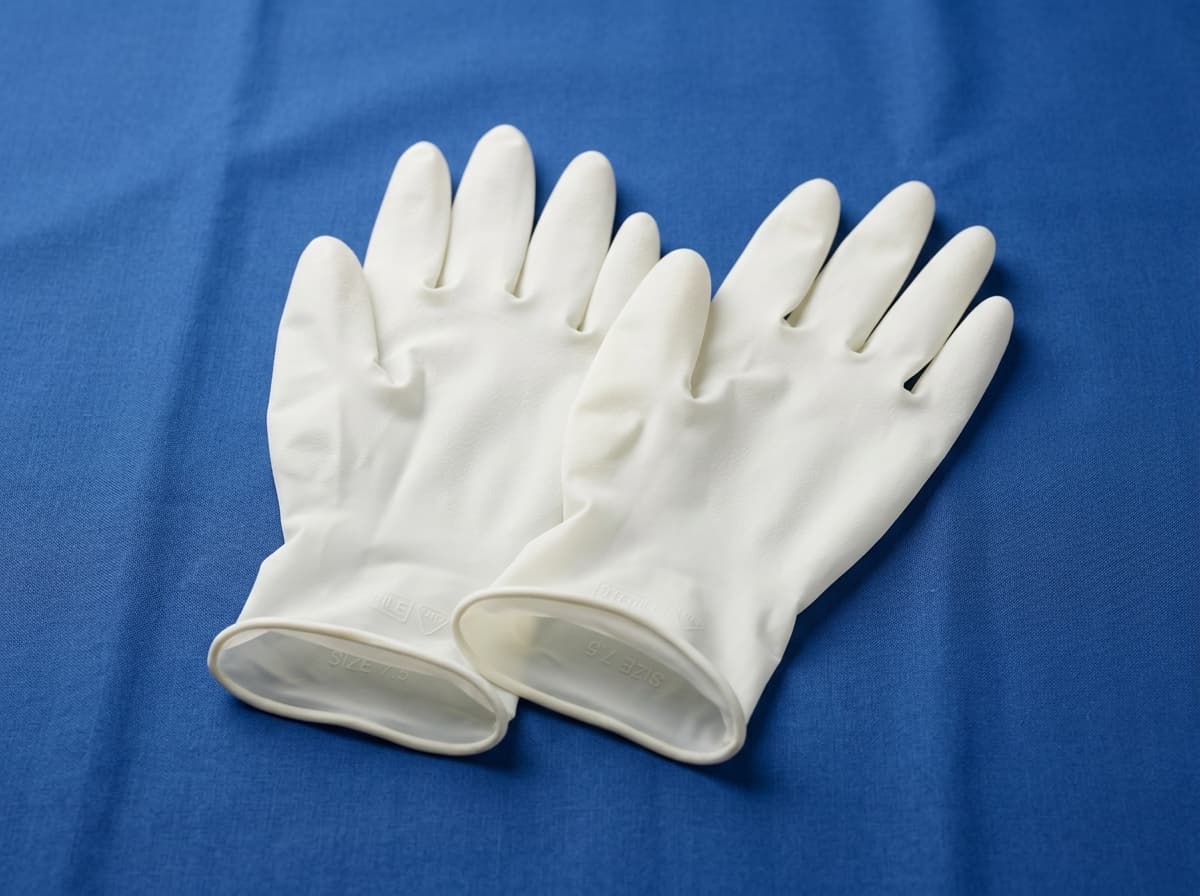
| Parameter | Natural Rubber Latex (NRL) | Synthetic Polyisoprene (PI) | Specialized Surgical Nitrile |
|---|---|---|---|
| Polymer Structure | Natural cis-1,4-polyisoprene from Hevea brasiliensis | 100% synthetic cis-1,4-polyisoprene synthesized via polymerization | Acrylonitrile-butadiene copolymer synthetic polymer |
| Tactile Sensitivity & Softness | Excellent; low modulus allows natural glove stretch | Outstanding; closely mirrors natural latex feel and comfort | Moderate; stiffer polymer structure with higher initial modulus |
| Tensile Strength (MPa) | High (> 24 MPa); exceptional tear resistance | Very High (> 20 MPa); robust mechanical barrier | High (> 18 MPa); strong puncture resistance |
| Latex Allergy Risk (Type I) | Present; mitigated by leaching (< 50 µg/g) | Zero (100% synthetic; contains no natural latex proteins) | Zero (100% synthetic; contains no natural latex proteins) |
| Landed Cost Index | Base benchmark (1.0x) | Higher cost premium (2.2x to 3.0x over latex) | Intermediate cost profile (1.4x to 1.8x over latex) |
Surgeons rarely compromise on tactile sensitivity during fine microvascular procedures. Synthetic polyisoprene matches the clinical feel of latex without the associated allergy profile.
Type I allergies are severe, immediate IgE-mediated reactions triggered by residual water-extractable proteins in natural rubber latex. Type IV allergies are delayed contact dermatitis reactions triggered by chemical vulcanization accelerators found in both latex and synthetic formulations.
Synthetic polyisoprene requires precise chemical polymerization to recreate the complex cis-1,4 molecular chain of natural rubber, a petrochemical process with higher raw material costs than agricultural latex harvesting.
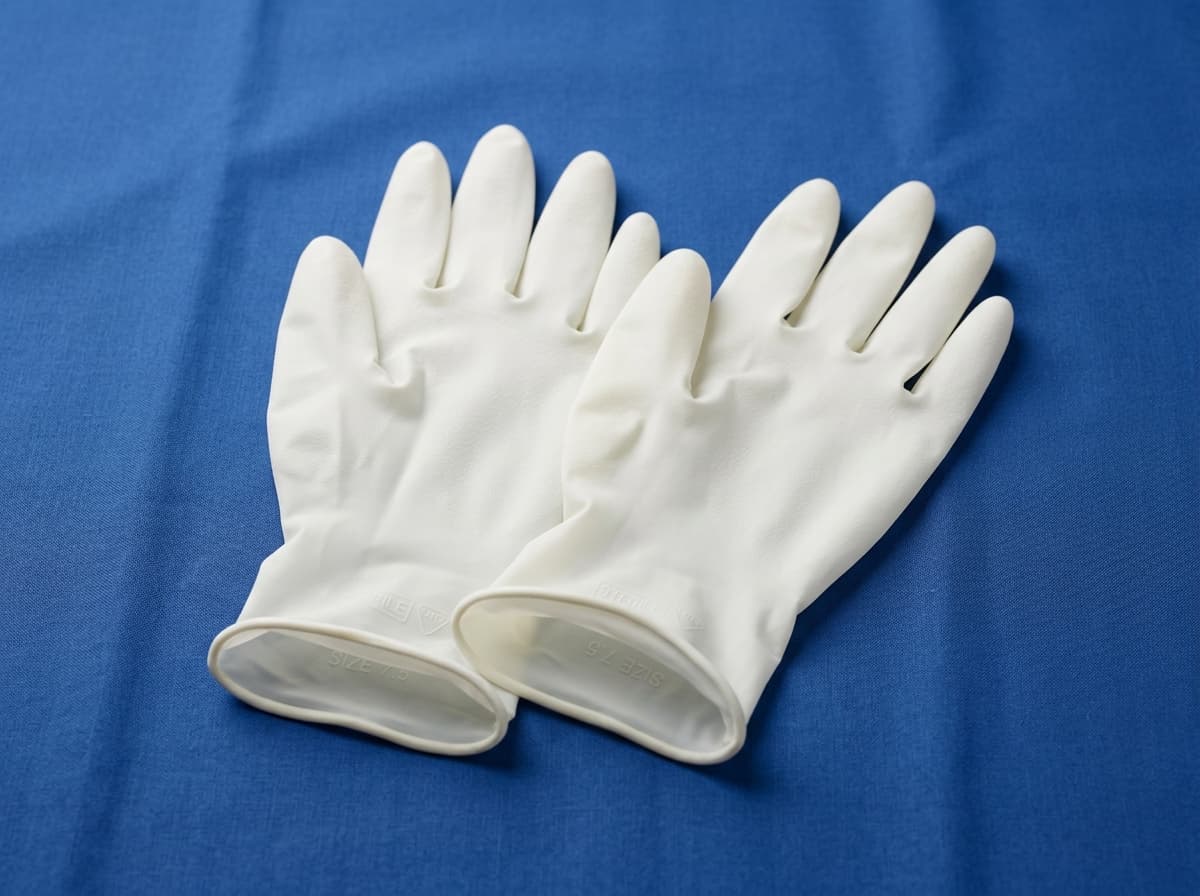
Latex or Nitrile? Powdered or Powder-Free? What African hospital buyers and importers must evaluate before bulk purchasing.
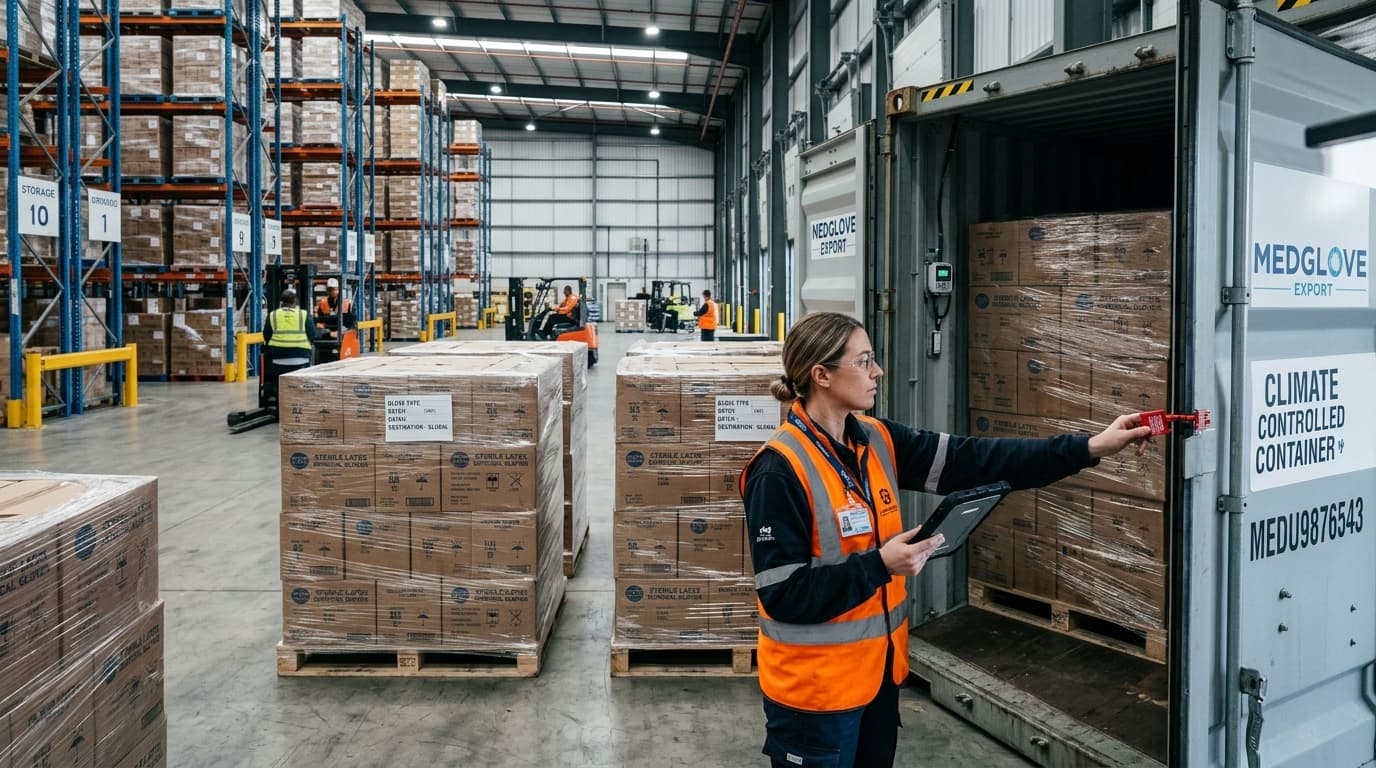
Field protocols for medical distributors importing latex surgical gloves through humid tropical ports like Mombasa, Lagos Apapa, Port Said, and Douala without heat damage.

A deep clinical and logistics breakdown of the 7 essential surgical items driving 80% of hospital consumable import volume across African healthcare facilities.