Sourcing Surgical Consumables at Scale: A Distributor's Guide
Sutures, blades, drapes and kits — how to source consumables that clear QC every time.
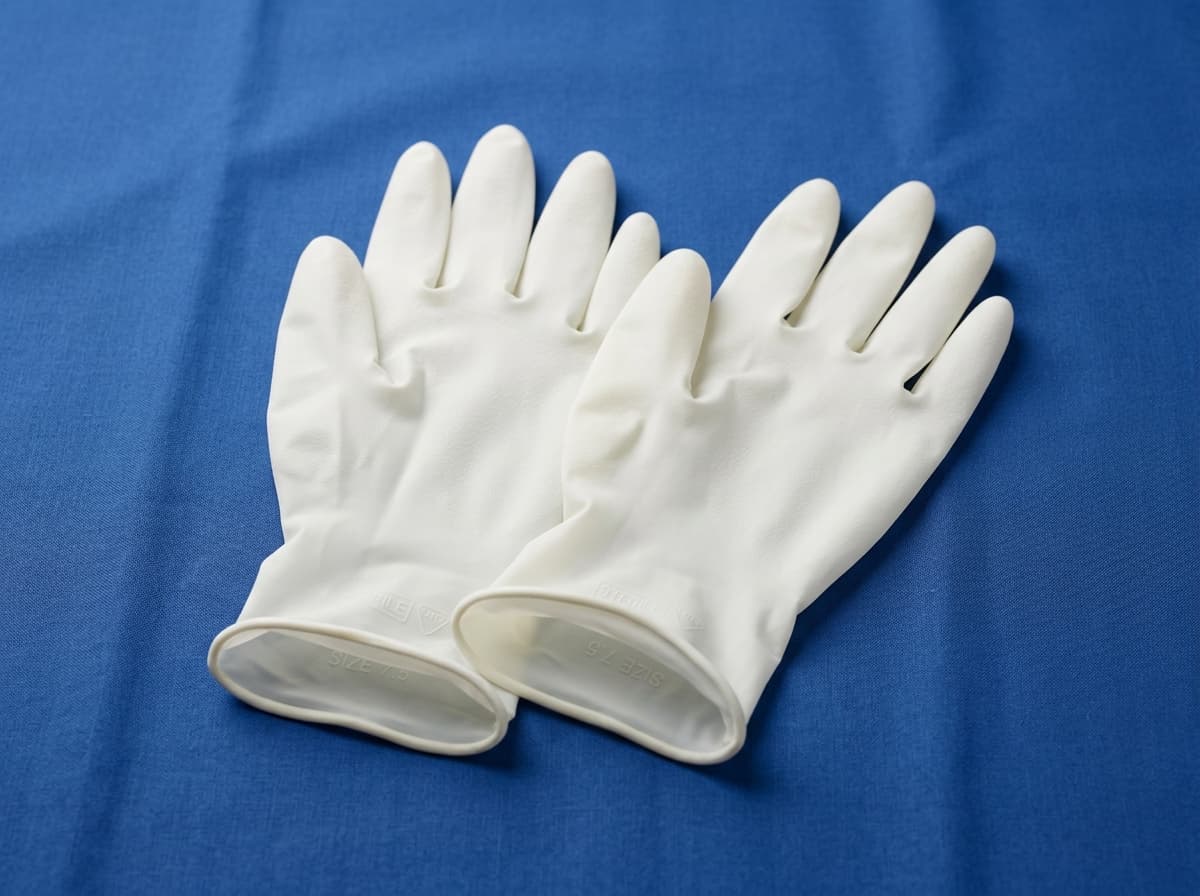
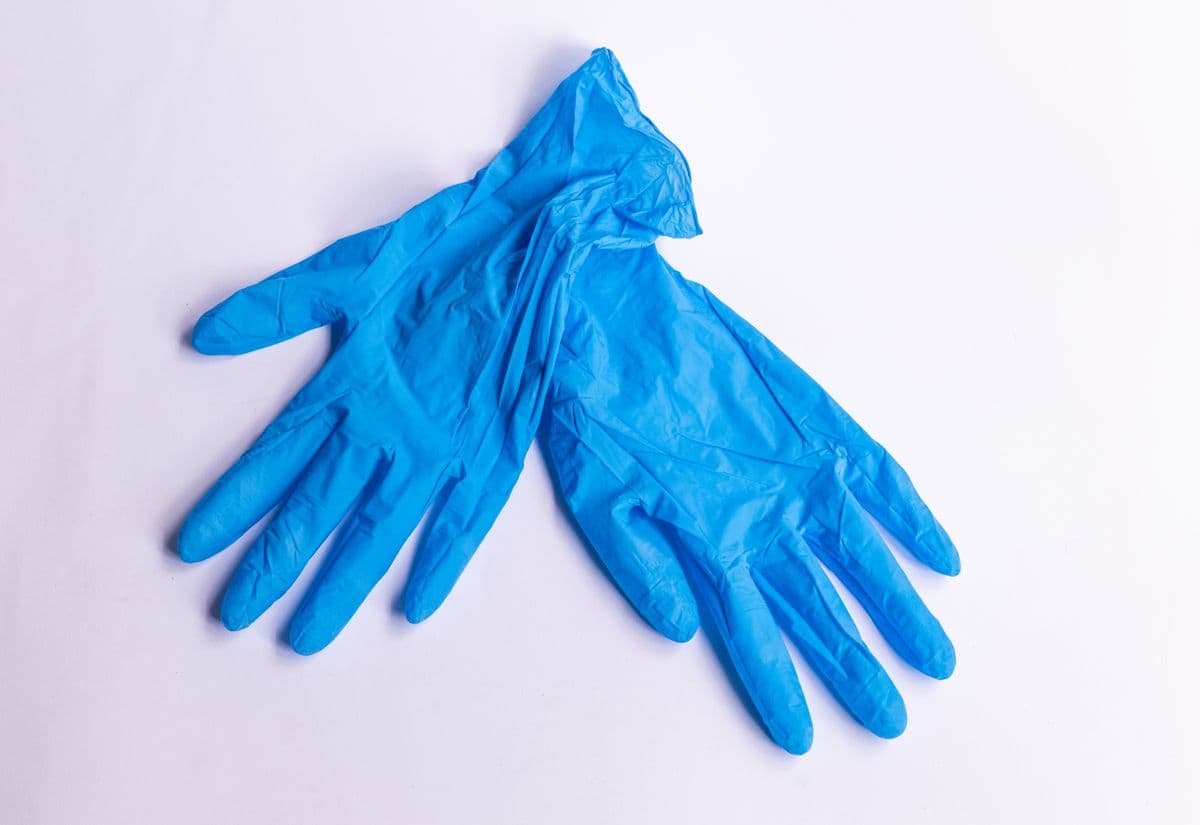
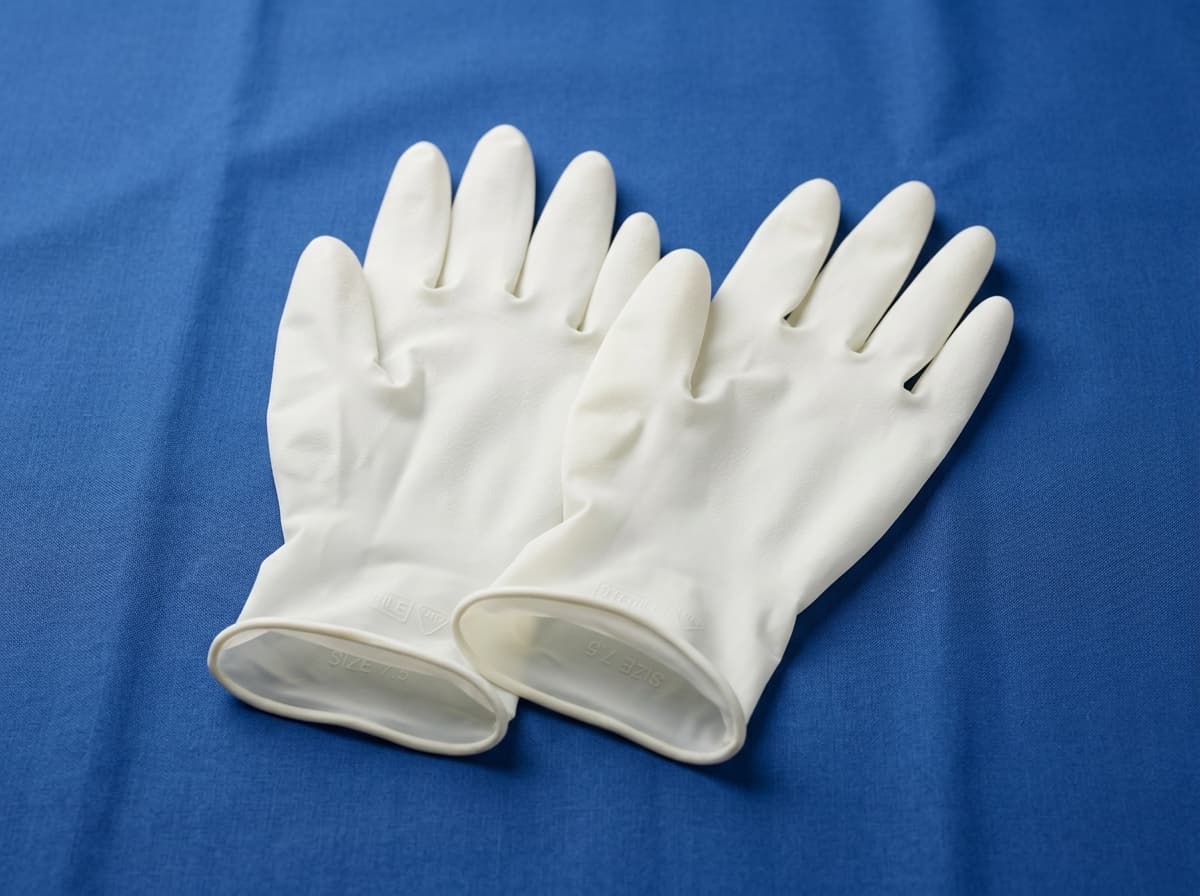
Sterile surgical gloves are among the highest-volume consumables imported into African healthcare markets. When supplying private hospital chains, ministry tenders, or local distributor networks across Nigeria, Kenya, South Africa, or Ghana, choosing the right material spec impacts both clinical safety and long-term profit margins.

If you talk to theater managers and procurement officers across Lagos, Nairobi, or Johannesburg, the shift from natural rubber latex to synthetic nitrile is accelerating — but latex remains the dominant workhorse due to raw material economics and tactile sensitivity. Here is a clear breakdown of how to evaluate both materials for your market.
Both materials serve specific clinical environments. Understanding tactile feedback, barrier protection, and allergy risks helps you build a balanced product catalog for your regional buyers.
| Feature / Spec | Sterile Latex Surgical Gloves | Sterile Nitrile Surgical Gloves |
|---|---|---|
| Raw Material | Natural Rubber Latex (NRL) | Synthetic Acrylonitrile-Butadiene |
| Tactile Sensitivity | Superior (natural elasticity) | High (improves with body warmth) |
| Tensile Strength (Min) | ≥ 24 MPa (Unaged) | ≥ 14–18 MPa |
| Elongation at Break | ≥ 750% | ≥ 500% |
| Allergy Risk | Contains Type I latex proteins | 100% Latex-Free (Zero Type I Risk) |
| Chemical Resistance | Moderate (vulnerable to oils/lipids) | High (resistant to solvents, oils & chemicals) |
| Relative Unit Cost | Base Cost (Most Economical) | 15%–30% Premium over Latex |
Historically, cornstarch-powdered gloves were favored for quick donning in hot, humid climates across West and East Africa. However, WHO and regional health authorities (including SAHPRA in South Africa and NAFDAC in Nigeria) increasingly recommend powder-free gloves to eliminate post-operative granulomas and airborne allergen risks.
Never compromise on barrier integrity. When auditing an Indian manufacturer for export to Africa, insist on the following verified quality parameters:
Latex degrades under UV light and intense humidity above 38°C. Ensure your freight forwarder provides moisture-sealed master cartons with inner polythene liners to guarantee full 5-year shelf stability upon arrival at African sea ports.
Standard container load MOQs are 100,000 pairs (approx. 500 cartons) for mixed FCL shipments. First-time trial orders can be customized down to 20,000 pairs.
Yes. Our surgical gloves are manufactured under ISO 13485 quality systems with full CE marking, EN 455 compliance, and ISO 10282 certification suitable for NAFDAC, SAHPRA, and PPB registration.

Sutures, blades, drapes and kits — how to source consumables that clear QC every time.

Carbon steel sharpness vs. Stainless steel rust protection — how to select the right surgical blades for African medical distributors.

Navigating sea freight, customs documentation, and health authority approvals for medical shipments from India to Africa.