Sterile Examination Gloves Manufacturer India: Singles & Pairs for Minor Procedures Guide
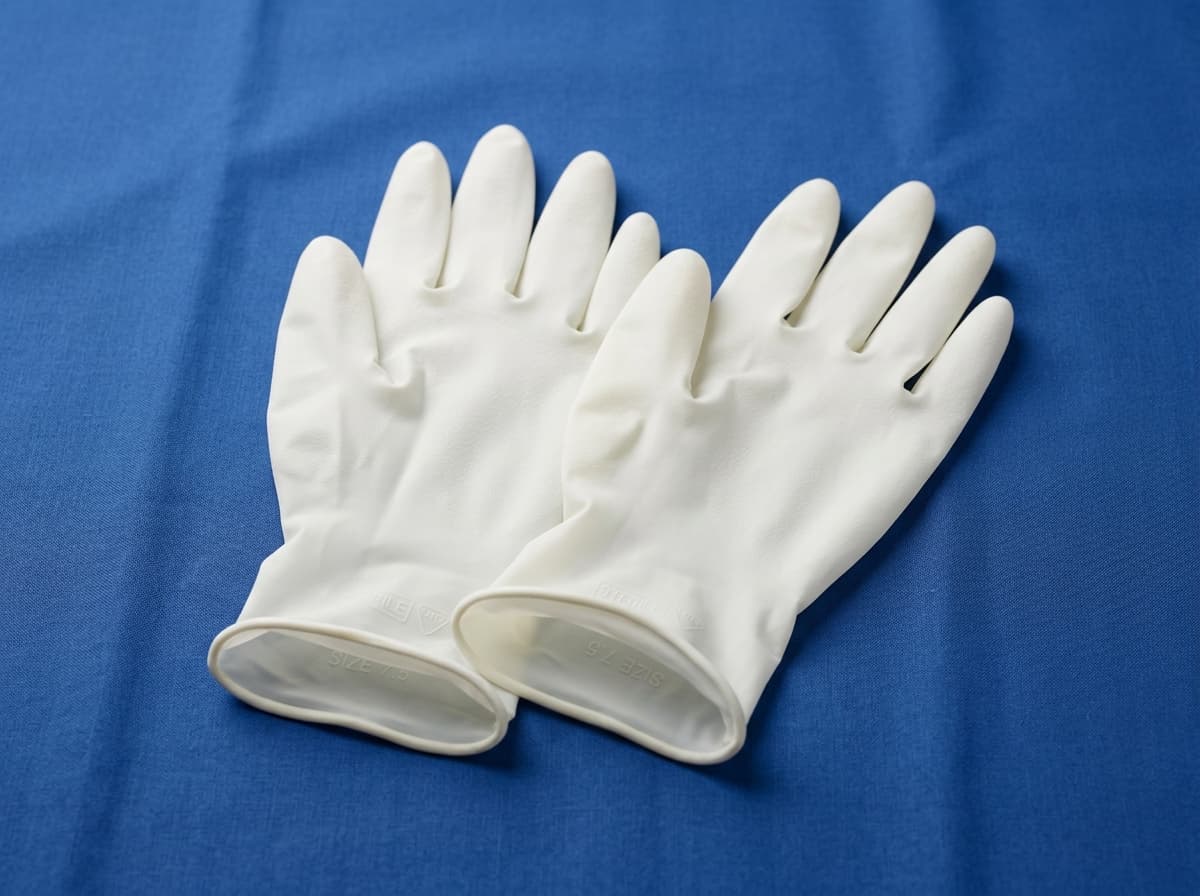
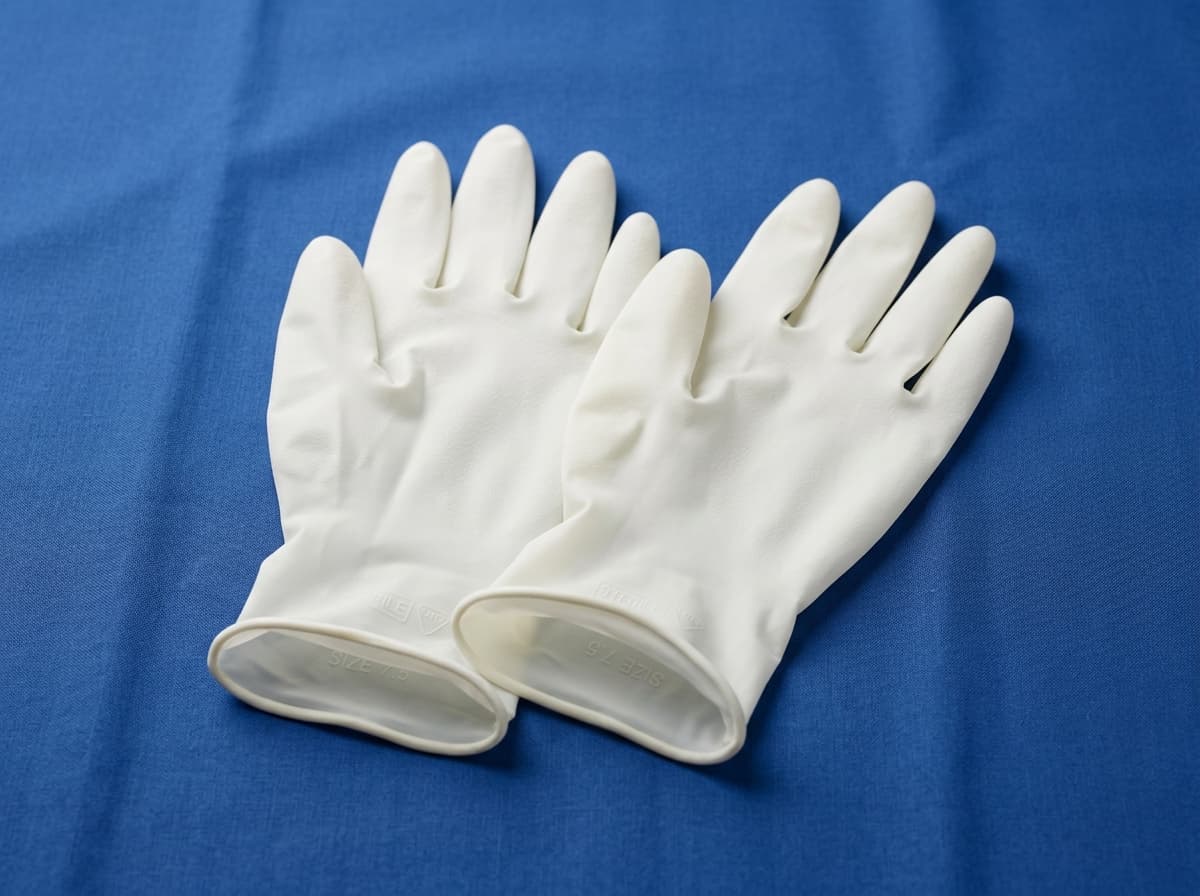
In hospital outpatient departments (OPD), wound care centers, dental surgery suites, and emergency treatment rooms, clinical staff perform thousands of aseptic procedures daily—including urinary catheterization, central line dressing changes, deep abscess drainage, and minor skin excisions. Performing these tasks with non-sterile bulk box examination gloves introduces severe nosocomial infection risks. Conversely, utilizing premium, hand-specific, curved-finger surgical gloves for routine bedside aseptic procedures wastes valuable hospital operating theatre budget. Sterile examination gloves, packaged in sterile individual peel pouches as single gloves or paired sets, deliver the exact clinical compromise: certified sterility conforming to ASTM D3578 / ASTM D6319 and EN 455, with an ambidextrous flat format that costs 40% to 50% less than full surgical gloves. This guide details the polymer grades, barrier testing, and procurement economics for sourcing sterile exam gloves from India.
Sharmil Mangukiya (Founder & MD) 2 min read September 27, 2026
Key Summary & AI Takeaways
For outpatient wound dressing, urinary catheterization, and day surgery, full surgical gloves are an expensive overkill. Sterile examination gloves in pairs bridge the clinical and budgetary divide.
Quick Buyer Summary: Sterile Examination Gloves
Sterile examination gloves manufactured in India are available in natural rubber latex or synthetic nitrile formulations, 100% powder-free with textured fingertips. Sourcing formats include individual singles or paired gloves (left/right or ambidextrous) sealed in medical peel pouches and sterilized by Gamma Radiation or Ethylene Oxide (ETO). Critical inspection benchmarks include an Acceptable Quality Limit (AQL) of 1.0 or 1.5 for pinhole water leaks (EN 455-1), elongation at break exceeding 500% (nitrile) to 700% (latex), and protein content below 50 µg/g.
Procurement Benchmark: Sterile Exam Gloves vs Full Surgical Gloves
Understanding the design, ergonomic, and economic boundaries between sterile procedural gloves and operating room surgical gloves:
Feature / Specification
Sterile Examination Gloves (Pairs)
Sterile Surgical Gloves (OR Grade)
Hospital Budget & Clinical Impact
Ergonomic Hand Shape
Ambidextrous (Flat palm design)
Anatomically curved fingers (Left & Right specific)
Surgical gloves reduce hand fatigue in 3+ hour surgeries; exam gloves ideal for < 30 min procedures
Exam gloves provide solid viral barrier for bedside aseptic dressing and lines
Internal Packaging Format
Heat-sealed peel pouch (1 pair per pouch)
Wallet folder wrap inside peel-open pouch
Exam peel pouch opens instantly, saving nursing preparation time
Unit Procurement Cost
Base index: 1.0x (Approx. $0.18 – $0.26 / pair)
1.8x – 2.4x (Approx. $0.38 – $0.55 / pair)
Saves hospital networks 40% to 50% on annual procedural glove expenditure
Polymer Selection: Powder-Free Nitrile vs Low-Protein Latex
Buyers must balance tactile sensitivity against institutional latex allergy policies:
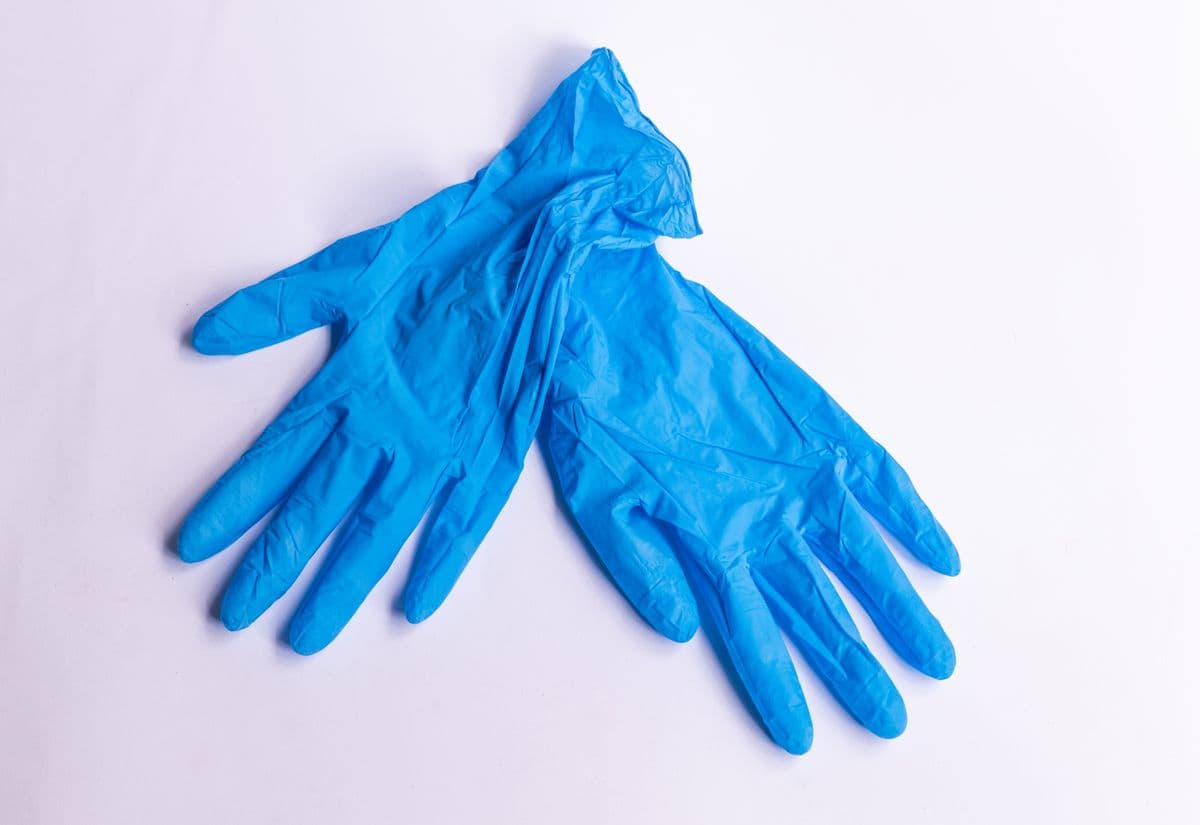
Sterile Powder-Free Nitrile: 100% synthetic acrylonitrile-butadiene; completely free of natural latex proteins, eliminating Type I allergic reactions; highly resistant to petroleum ointments, chemo drugs, and puncture tears; standard color medical blue or white.
Sterile Powder-Free Latex: Natural rubber latex with chlorination or polymer coating; provides unmatched tactile elasticity, conformability, and micro-hole resealing; strictly audited to keep water-extractable proteins below 50 µg/g (ASTM D5712).
Finger-Textured Grip: Micro-roughened surface finish on fingers ensuring secure instrument handling in both wet surgical prep solutions and dry dressing fields.
Sterilization Integrity: Validated radiation sterilization (Gamma / E-beam at minimum 25 kGy) or ETO gas delivering a verified Sterility Assurance Level (SAL) of 10^-6.
Tender Application: Minor Procedure Sterile Packs
Sterile examination glove pairs are widely procured as a core component inside custom procedure packs—including suture removal kits, Foley catheterization trays, lumbar puncture sets, and dialysis dressing change kits.
Optimize hospital procedural budgets with certified sterile latex and nitrile examination gloves in single and paired formats from Manshav Impex.
100% synthetic nitrile medical examination gloves — latex-free, powder-free, micro-textured fingertips with superior chemical and puncture resistance for hospitals, clinics, and laboratories. Container consignments dispatched from Port Mundra & Port Nhava Sheva, with certificates and test reports shared with every quotation.
Made to CE MDRMade to ISO 13485Made to EN 455Made to ASTM D6319MOQ: 100,000 pcs
Why are sterile examination gloves packaged as singles as well as pairs?
Single sterile gloves (1 glove per peel pack) are frequently utilized by phlebotomists for single-hand palpation during venipuncture, or for rapid sterile wound inspections where only one clinician hand requires a sterile barrier, cutting glove waste by 50%.
What is the difference between AQL 1.0 and AQL 1.5 in sterile gloves?
Acceptable Quality Limit (AQL) measures statistical pinhole defect rates when filled with 1,000 ml of water. An AQL of 1.0 permits no more than 1 defective glove per 100 inspected, offering a tighter barrier guarantee than standard AQL 1.5.
What is the shelf life of sterile examination gloves?
When packaged in high-barrier medical paper-film peel pouches and stored in dry conditions below 35°C away from direct sunlight, sterile examination gloves have a validated shelf life of 3 to 5 years.
What is the export packaging density for sterile glove pairs?
Packed 1 pair per sterile peel pouch, 50 pairs per inner dispenser box, 10 or 20 boxes per master shipping carton (500 or 1,000 pairs per outer carton). A 40ft High Cube container accommodates approximately 350,000 to 400,000 pairs.
Sharmil Mangukiya (Founder & MD)
Sharmil Mangukiya is the founder and managing director of Manshav Impex, an Indian manufacturer & exporter of medical disposables serving importers, distributors, hospitals and governments in 48+ countries since 2019.