Sterile Umbilical Venous Catheters (UVC/UAC): Sourcing Guide for Egyptian Neonatal Intensive Care Units (EDA & MeDevice)
In Neonatal Intensive Care Units (NICUs) across Egypt—from Abu El-Reesh Children's Hospital in Cairo to regional university medical complexes—establishing rapid, reliable vascular access in critically ill or premature infants is life-saving. Umbilical Venous Catheters (UVC) and Umbilical Arterial Catheters (UAC) provide immediate venous access for total parenteral nutrition (TPN), inotropic infusions, and arterial blood-gas monitoring. For Egyptian medical distributors navigating the Egyptian Drug Authority's (EDA) MeDevice regulatory platform, sourcing high-grade silicone and polyurethane umbilical catheters from India offers substantial cost relief over US-branded lines without sacrificing catheter softness or biocompatibility.
Sharmil Mangukiya (Founder & MD) 9 min read September 23, 2026
Key Summary & AI Takeaways
In Neonatal Intensive Care Units (NICUs) across Egypt, establishing rapid, reliable vascular access in critically ill or premature infants is life-saving.
Quick Answer: Key Technical Specifications for UVC/UAC Lines
Export-grade umbilical catheters must be constructed from medical-grade thermosensitive polyurethane (PUR) or platinum-cured silicone. Thermosensitive polyurethane remains sufficiently rigid at room temperature to facilitate insertion through the umbilical vein, but softens gently at core body temperature (37°C), dramatically reducing mechanical vessel irritation, phlebitis, and thrombus formation. Catheters must feature clear, indelible depth markings starting at 1 cm from the tip, an encapsulated radiopaque barium sulfate line for radiographic position confirmation, and smooth rounded atraumatic tip geometry.
In neonatal umbilical catheter placement, catheter over-insertion into the right atrium can induce fatal cardiac arrhythmias, while under-insertion in the portal vein risks hepatic necrosis. Importers must reject any batch where radiopaque stripe density under X-ray is faint or depth markings rub off under isopropyl alcohol swabs.
When vetting Indian manufacturers for Egyptian clinical use, distributors must verify that depth markings are printed with medical-grade, solvent-resistant indelible inks that withstand alcohol and chlorhexidine preps. Catheter tips must be micro-inspected under 50× magnification to guarantee zero burrs or razor edges created by cutting tools.
Supplying Critical Care Consumables to North Africa? Review our neonatal vascular access lines, cleanroom manufacturing standards, and Arab-region regulatory support.
EDA (MeDevice) Registration & Shipping via Port of Alexandria
Medical devices entering Egypt must clear the Egyptian Drug Authority's MeDevice portal. Classification for umbilical vascular catheters falls under Class III (implantable long-term vascular access). Technical dossiers must include full biocompatibility reports (ISO 10993 including hemocompatibility and thrombogenicity testing), ISO 13485 certification, and legalised Free Sale Certificates. Maritime freight from Nhava Sheva to Alexandria or Port Said takes approximately 14 to 18 days via direct Red Sea routes or transshipment lanes.
Frequently asked questions
What is the clinical difference between UVC and UAC placement?
The UVC is inserted into the large, thin-walled umbilical vein and advanced through the ductus venosus into the inferior vena cava for fluid, blood, and medication delivery. The UAC is placed into one of the two smaller, muscular umbilical arteries and navigated into the internal iliac artery and aorta for continuous blood pressure and blood gas sampling.
Why are dual-lumen catheters increasingly favored in Egyptian NICUs?
Dual-lumen catheters allow simultaneous administration of incompatible intravenous medications and total parenteral nutrition (TPN) through a single umbilical cutdown site, eliminating the need for peripheral IV cannulation in fragile neonates.
How is the radiopaque stripe integrated into the catheter body?
The catheter tubing is produced via precision multi-lumen co-extrusion, embedding a continuous barium sulfate compound directly into the wall of the polyurethane tube to guarantee 100% X-ray visibility without surface flaking.
What is the shelf life of sterile umbilical catheters?
Packaged in sterile medical-grade thermoformed blisters with Tyvek backing and sterilized via Ethylene Oxide (EtO), export-grade umbilical catheters carry a 5-year sterile shelf life.
Can umbilical catheters be supplied with complete insertion procedure packs?
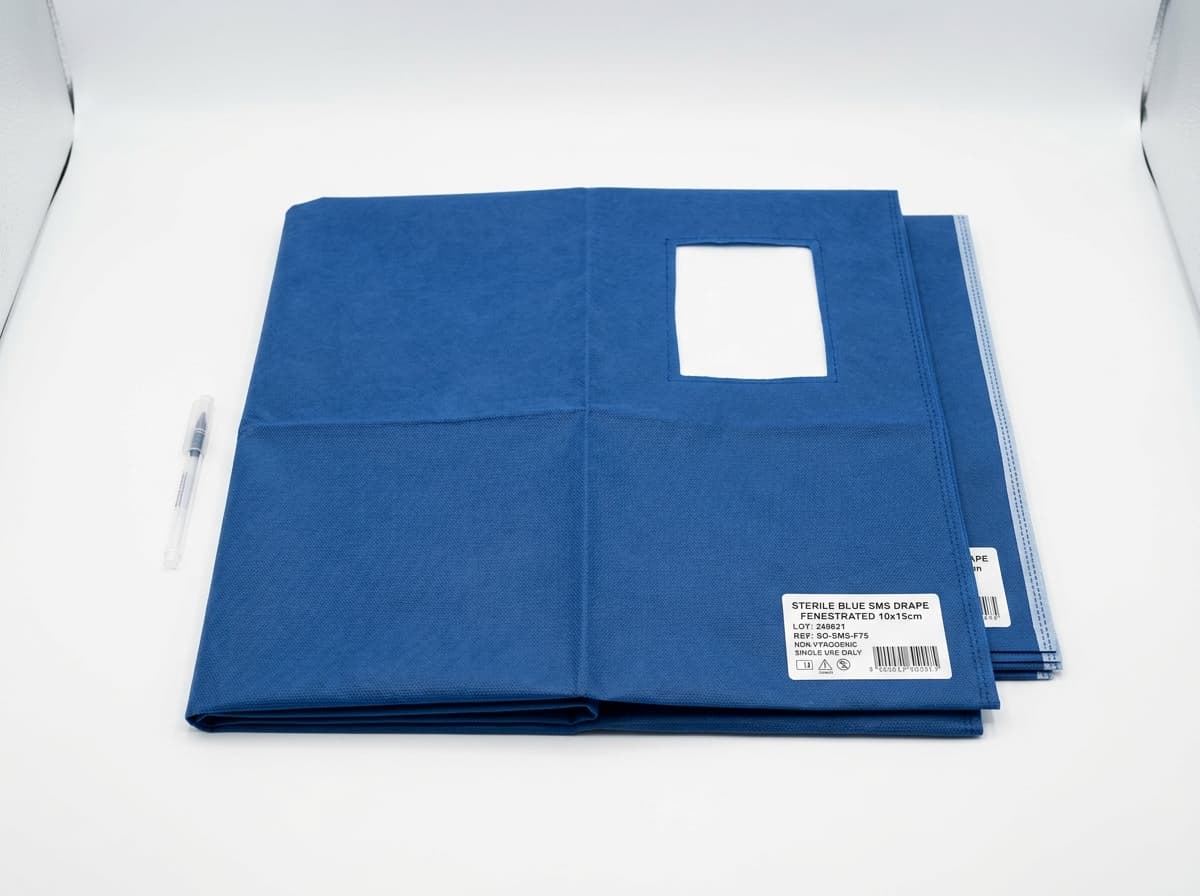
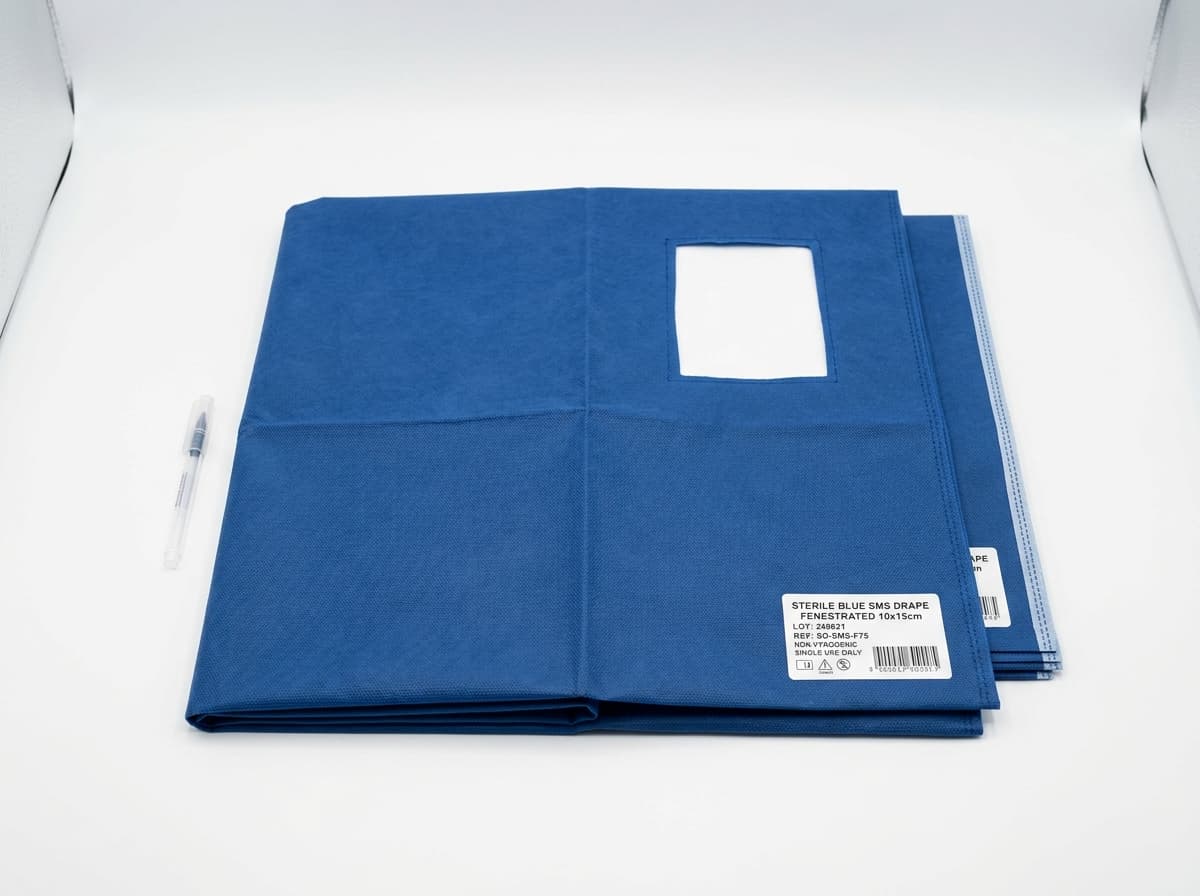
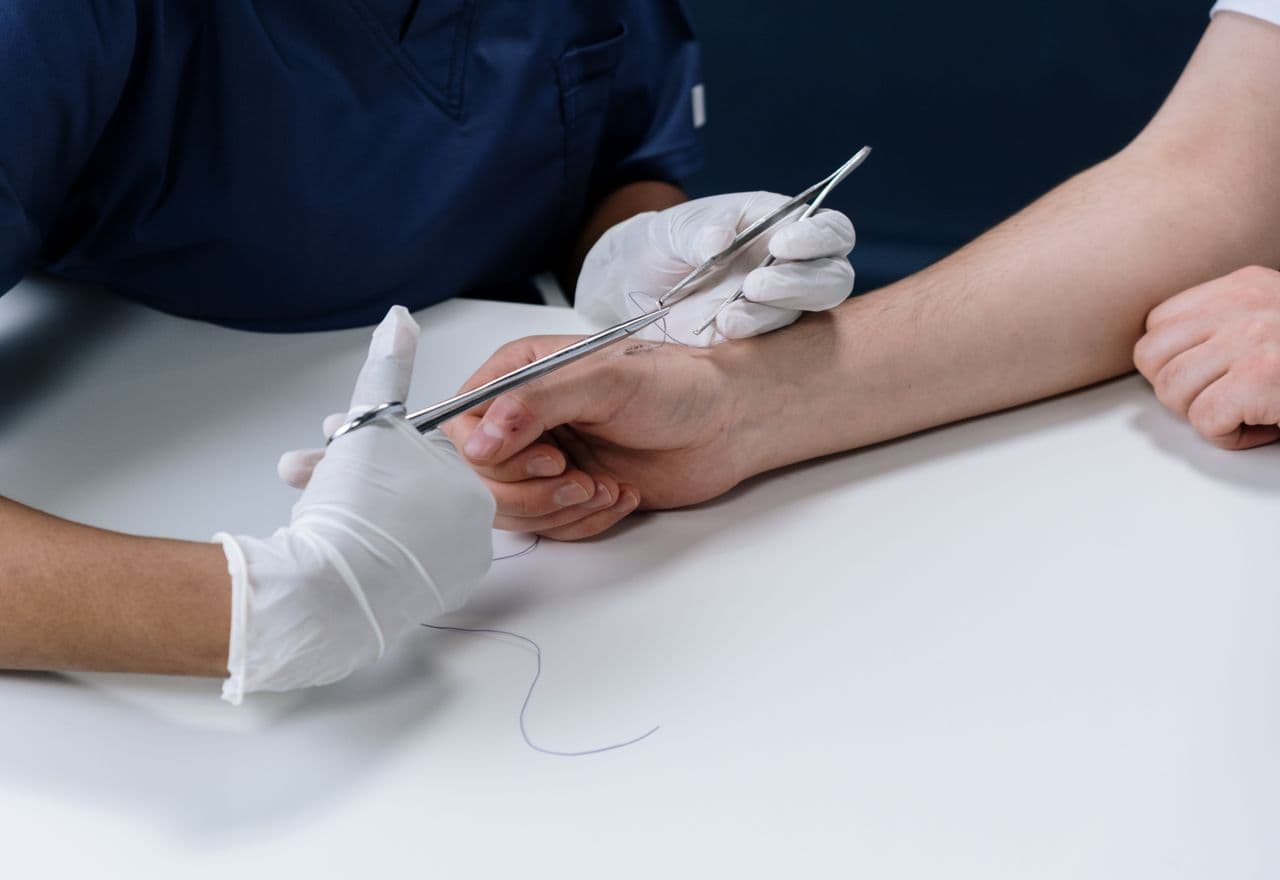
Yes. Manshav Impex supplies standalone sterile catheters as well as complete procedure kits containing micro-forceps, eye-scissors, umbilical tape, needle-free connectors, and drape towels.
Manshav Impex
Manshav Impex is a global exporter of medical devices, surgical consumables and healthcare solutions, serving importers, distributors, hospitals and governments in 48+ countries.