Manufacturing

Sterile Alcohol Prep Pads & Antiseptic Swabs Manufacturer India: 70% IPA Foil Sachet Guide

Prior to every intravenous cannulation, intramuscular vaccination, routine venipuncture, or capillary blood glucose lancet test, healthcare workers utilize a sterile alcohol prep pad for topical skin antisepsis. While seemingly the simplest consumable in the medical supply catalog, alcohol prep pads suffer from an unacceptably high rate of field failure when procured from sub-tier manufacturers: clinicians open the foil packet only to discover a bone-dry pad devoid of alcohol. Isopropyl alcohol (IPA) is an extremely volatile solvent with high vapor pressure; low-cost packaging utilizing paper-plastic or metalized PET film allows alcohol molecules to permeate through the seal during ocean transit and tropical warehouse storage. Certified Indian medical swab manufacturers employ multi-layer laminated true aluminum foil barrier systems that guarantee fluid saturation over a full 5-year shelf life. This guide outlines the formulation chemistry, packaging barrier physics, and quality inspection protocols for sourcing alcohol prep pads from India.

Sterile Alcohol Prep Pads & Antiseptic Swabs Manufacturer India: 70% IPA Foil Sachet Guide
Key Summary & AI Takeaways

The most common failure in alcohol prep pads is premature drying out inside the packet. Hospital-grade swabs require multi-layer aluminum foil hermetic heat-sealing.

Quick Buyer Summary: Alcohol Prep Pads Sourcing

Sterile alcohol prep pads manufactured in India feature a 2-ply non-woven spunlace fabric pad saturated with 70% v/v Isopropyl Alcohol (IPA) and 30% purified water (USP). Pad dimensions are standard medium (30 x 60 mm unfolded) or large (45 x 90 mm). Sourcing teams must verify four-side hermetic heat-sealed aluminum foil laminate sachets (Paper / PE / Aluminum Foil / Surlyn), minimum liquid saturation weight exceeding 0.45g per pad, and validated sterility according to gamma irradiation or aseptic filling.

Packaging Barrier Physics: Multi-Layer Aluminum Foil vs Metalized Film

Understanding the microscopic barrier properties that prevent alcohol evaporation over extended maritime transit:

Packaging Laminate ConstructionWater Vapor Transmission Rate (WVTR)Alcohol Vapor Permeability5-Year Real-Time StabilityCommercial Cost Profile
True Aluminum Foil Laminate (Paper / PE / Alu 7µm / Surlyn)< 0.01 g/m2/day (Practically zero)100% impermeable to isopropyl alcohol vaporExcellent (> 95% alcohol volume retained after 5 years)Standard hospital grade ($$)
Metalized PET Film (Paper / VMPET / PE)0.5 – 1.5 g/m2/dayPermeable; microscopic pinholes in vapor-deposited metal layerPoor (Pads dry out completely within 12–18 months in tropics)Low-cost commercial grade ($)
Plastic Poly-Laminate (Paper / PE / PE)> 5.0 g/m2/dayRapid evaporation through polymer chain matricesFail (Pads dry out within 6 months)Unsuitable for medical use

Chemical Formulation & Substrate Specifications

Clinical efficacy as a topical antimicrobial depends strictly on adhering to the 70% alcohol-to-water ratio:

  • Optimal Bactericidal Concentration: 70% v/v Isopropyl Alcohol penetrates bacterial cell walls and denatures cellular proteins; pure 99% alcohol coagulates external proteins instantly, forming a protective shell that prevents bacterial destruction.
  • Substrate Material: 100% viscose or viscose-polyester non-woven spunlace (40–50 GSM), providing a lint-free, soft, non-abrasive wipe that does not shed loose fibers onto the puncture site.
  • Liquid Saturation Assay: Gravimetric measurement verifying that each sealed medium sachet contains between 0.40g and 0.55g of 70% IPA solution (tested by weighing intact sachet, opening and air-drying pad, and subtracting dry tare).
  • Accelerated Aging Testing: Subjected to ASTM F1980 accelerated stability testing at 55°C and 75% relative humidity for 6 weeks (equivalent to 1 year real-time), with periodic gas chromatography assay verifying alcohol concentration remains strictly at 70% ± 2%.
Dangerous Goods (DG) Shipping Protocol

Because alcohol prep pads contain flammable isopropyl alcohol, international ocean lines classify bulk shipments under UN 3175 (Solids containing flammable liquid, n.o.s., Class 4.1). However, individual sachets containing under 10ml of liquid qualify for Limited Quantity (LTD QTY) exemptions under IMDG Code 3.4, eliminating expensive hazardous container surcharges.

Secure certified 70% Isopropyl Alcohol prep pads in hermetically sealed foil sachets for hospital supply and retail pharmacy distribution.
Request Alcohol Swabs Bulk Quotations & Samples
🏭 Export Sourcing DeskIndian Manufacturer & Exporter — Vetted Factory Network
Sterile Latex Surgical Gloves (Powdered & Powder-Free) manufacturer India

Sterile Latex Surgical Gloves (Powdered & Powder-Free)

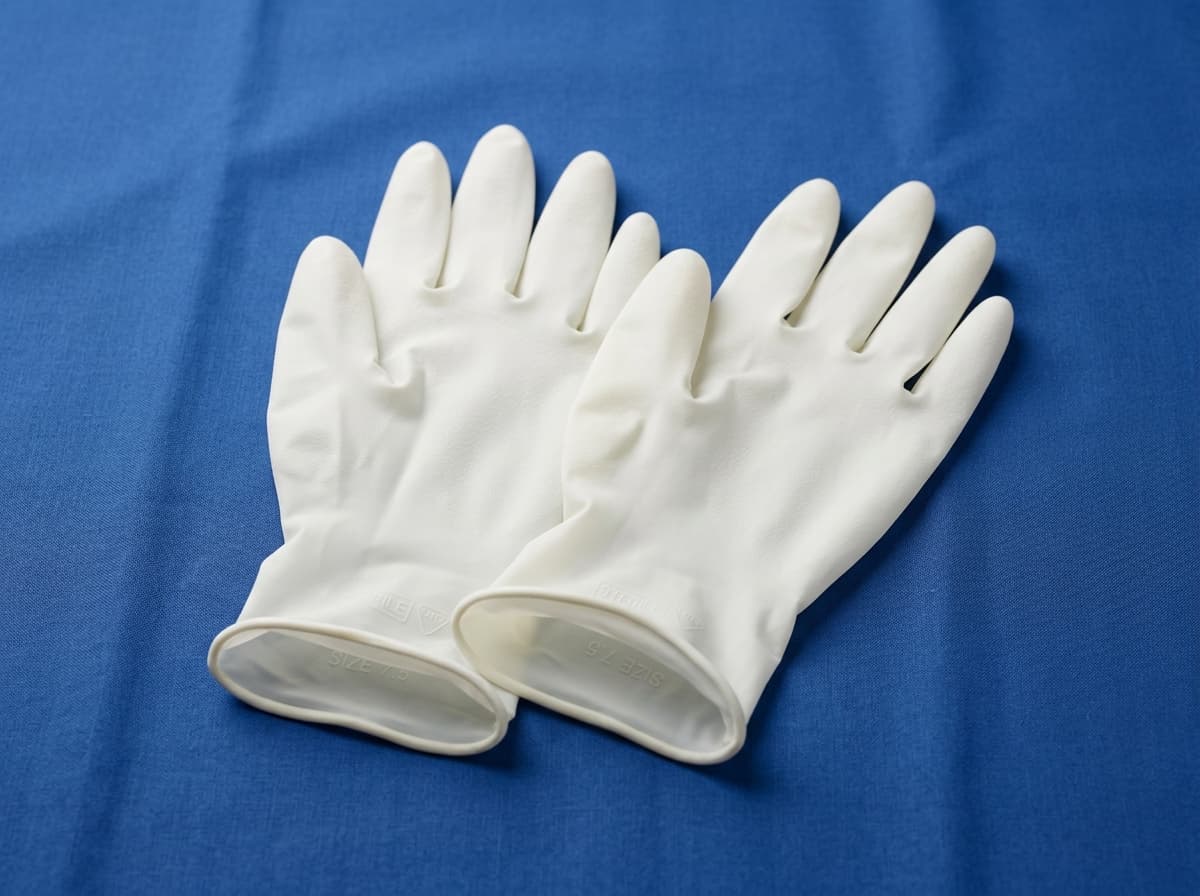
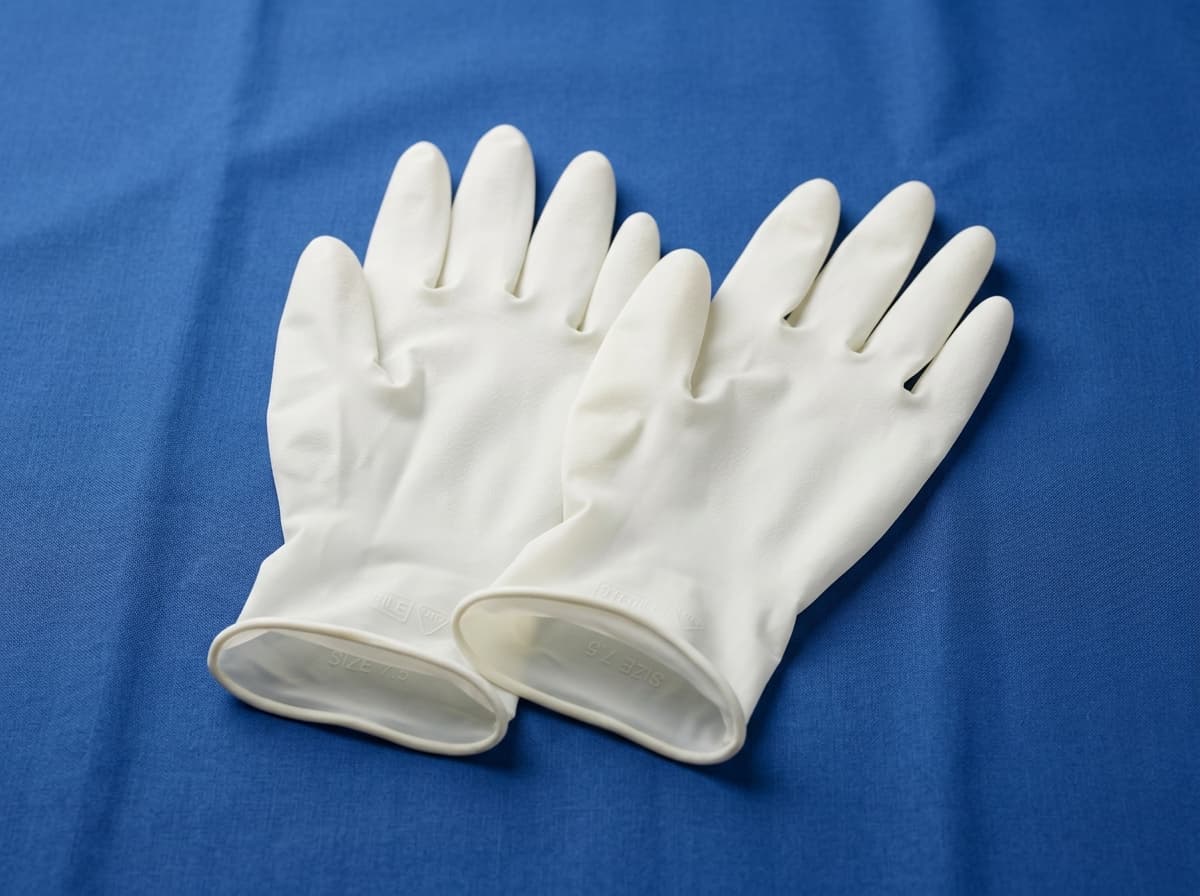
Pre-donned sterile natural latex surgical gloves with curved anatomical fingers, micro-textured anti-slip finish, beaded cuff, available in powdered and powder-free polymer coated grades. Container consignments dispatched from Port Mundra & Port Nhava Sheva, with certificates and test reports shared with every quotation.

Made to CE MDRMade to ISO 13485Made to EN 455Made to ASTM D3577MOQ: 50,000 pairs

Frequently asked questions

What is the difference between Isopropyl Alcohol (IPA) and Ethyl Alcohol swabs?

Isopropyl alcohol (70%) is the global clinical standard for intact skin antisepsis before injections due to its superior lipid-dissolving bactericidal efficacy. Ethyl alcohol (Ethanol 70%) is an alternative, but is subject to higher excise alcohol tracking regulations in many importing countries.

Can alcohol prep pads be used on open surgical wounds?

No. Alcohol prep pads are strictly intended for intact skin antisepsis prior to venipuncture, injections, or finger-prick tests. Applying 70% alcohol to open wounds causes severe stinging, tissue necrosis, and delays cellular wound healing.

What are the standard packaging sizes for hospital tenders?

Alcohol prep pads are packed in connected pairs (2 sachets per strip) or individual pouches, 100 or 200 sachets per dispenser box, with 50 or 100 boxes per master shipping carton (typically 5,000 or 10,000 sachets per master carton).

How many alcohol prep pads fit into a 20ft container?

Because sachet cartons are dense and compact, a 20ft dry container accommodates approximately 3,500,000 to 4,000,000 individual alcohol prep pads, making it an extremely cost-effective consumable to import alongside bulk containers of syringes and cannulas.

Sharmil Mangukiya (Founder & MD)

Sharmil Mangukiya is the founder and managing director of Manshav Impex, an Indian manufacturer & exporter of medical disposables serving importers, distributors, hospitals and governments in 48+ countries since 2019.

Chat with us