CE, US FDA & ISO 13485: What Each Medical Certification Really Means
A plain-language guide to the standards that matter when sourcing healthcare products — and how to check them.

Sterility assurance is the foundational requirement of single-use medical consumables. Behind this clinical assumption lies precision sterilization engineering governed by strict international standards. Understanding the technical differences between Ethylene Oxide (EO) Gas Sterilization and Gamma Radiation Sterilization is critical for international distributors sourcing from India.
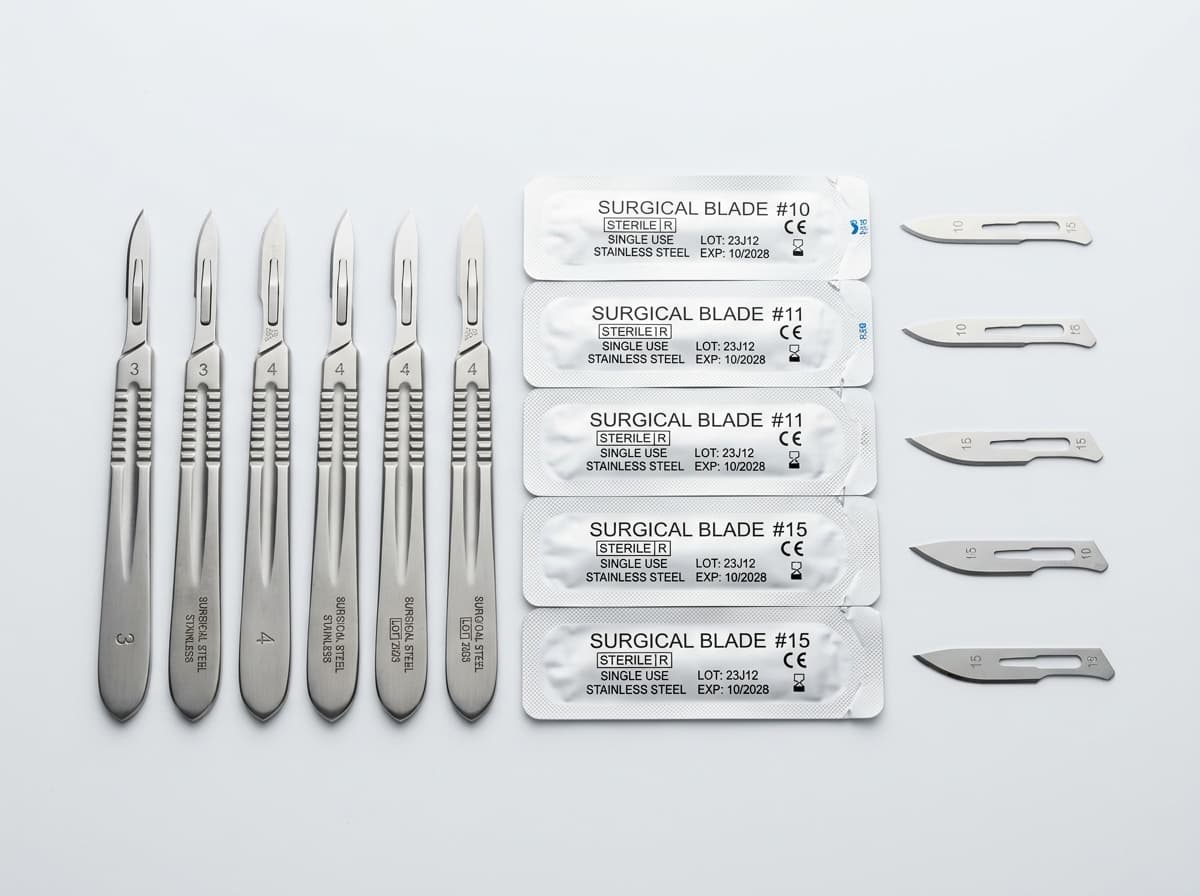
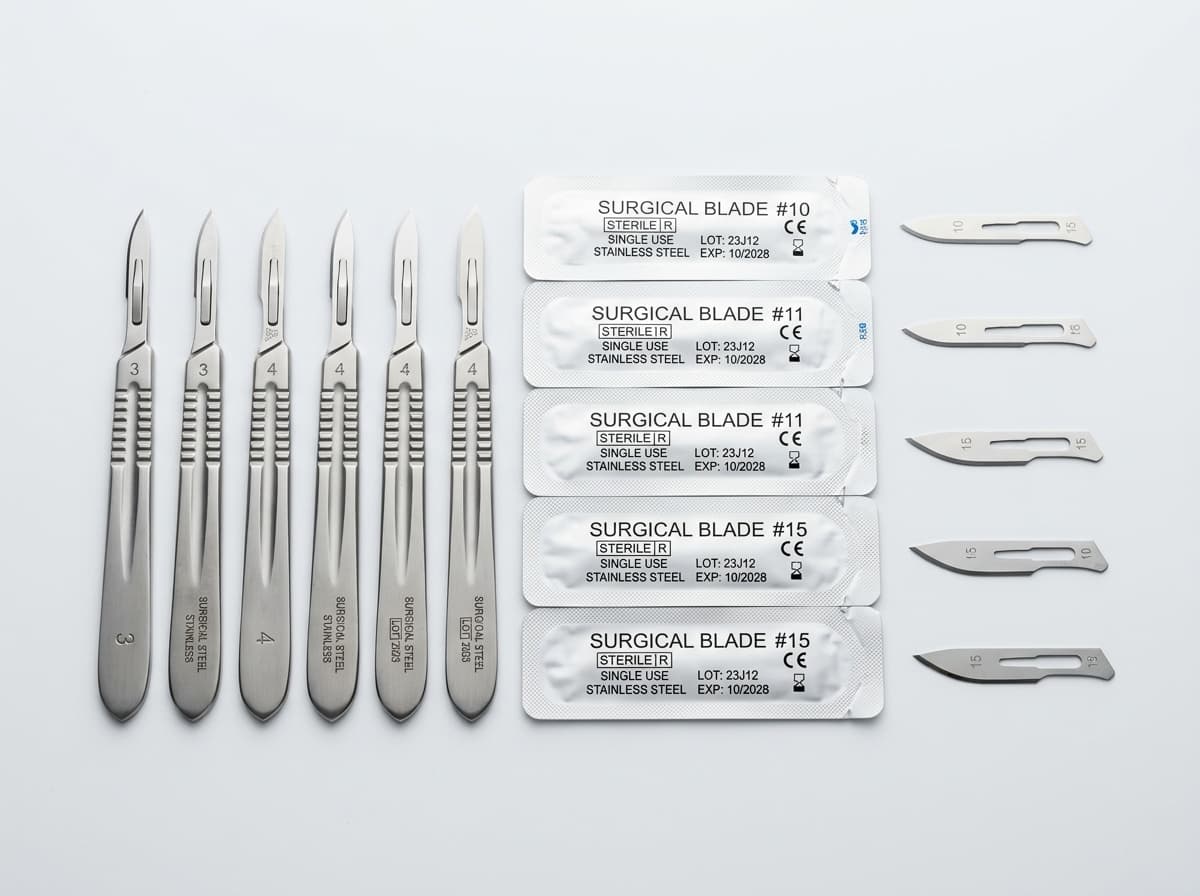
A technical engineering comparison of Ethylene Oxide (EO) and Gamma radiation sterilization methods for exported medical disposables.
| Operational Factor | Ethylene Oxide (EO) Gas Sterilization | Gamma (Cobalt-60) Radiation Sterilization |
|---|---|---|
| Governing Standard | ISO 11135:2014 | ISO 11137-1 / -2 / -3:2012 |
| Material Compatibility | Broad polymer compatibility; safe for delicate plastics | Can induce cross-linking, embrittlement, or yellowing in certain plastics |
| Packaging Constraints | Demands a gas-permeable barrier (Tyvek or medical paper) | Works through completely impermeable foils, poly-pouches, and cartons |
| Post-Process Quarantine | Demands 7 to 14 days of aeration to dissipate gas residuals | Zero quarantine; instant dosimetric batch release |
| Residual Testing | Batch testing for residual EO and Ethylene Chlorohydrin (ECH) | Zero chemical residues; no chemical extraction testing needed |
| Common Applications | IV cannulas, surgical drapes, tubing sets, catheters | Surgical blades, sutures, container-sealed fluids, plastic labware |
Sterilization choice is governed by material physics. Applying gamma radiation to certain polypropylene grades causes polymer degradation and yellowing, while EO demands breathable, permeable packaging.
An SAL of 10⁻⁶ indicates a probabilistic standard where there is no more than a one-in-a-million chance of finding a viable microorganism on a sterilized medical device, the global benchmark for invasive surgical consumables.
Certain polymers—such as PTFE, standard polypropylene, and natural rubber latex—undergo radiation degradation, losing tensile strength, developing discoloration, or emitting odors when exposed to high-energy gamma rays.
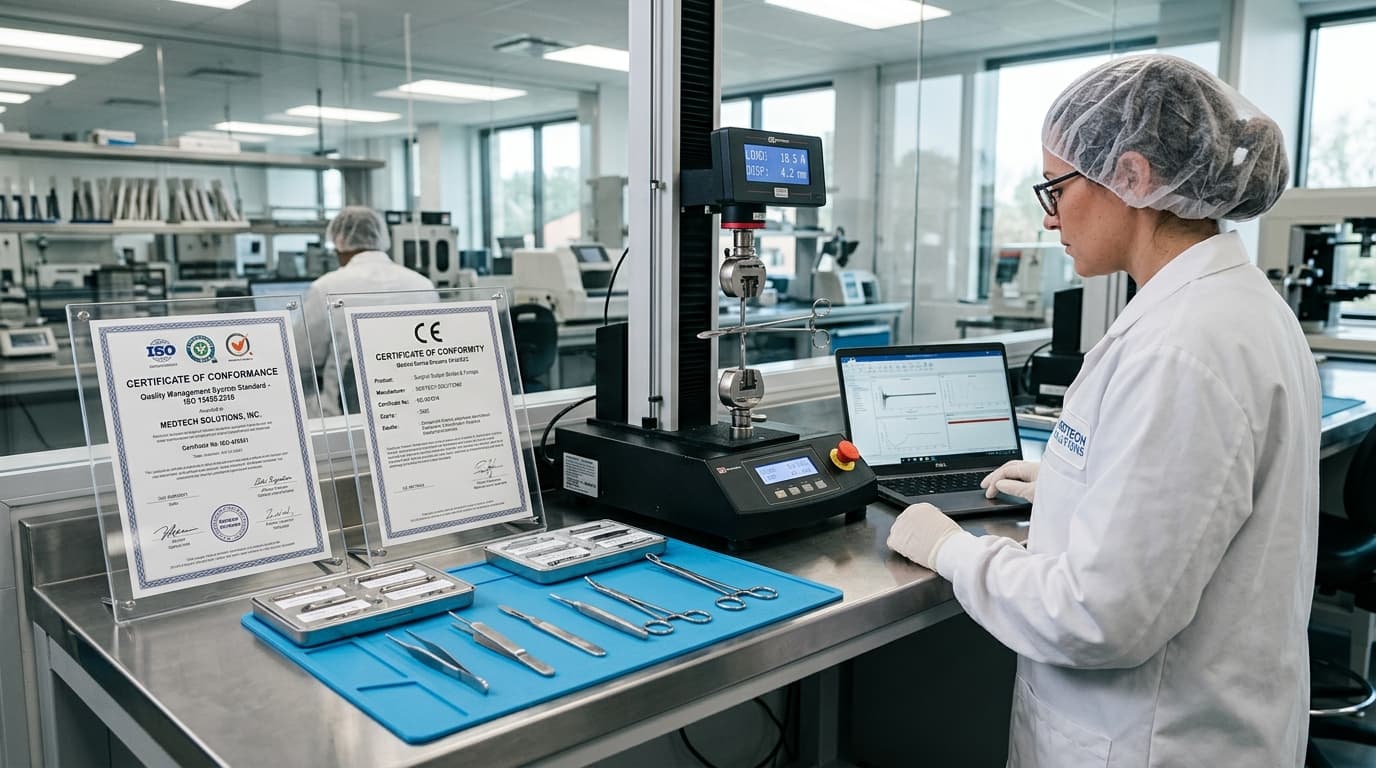
A plain-language guide to the standards that matter when sourcing healthcare products — and how to check them.

A technical procurement handbook for CSSD managers, hospital biomedical engineers, and sterile processing distributors sourcing medical sterilization rolls, Tyvek pouches, and multi-variable chemical indicators.
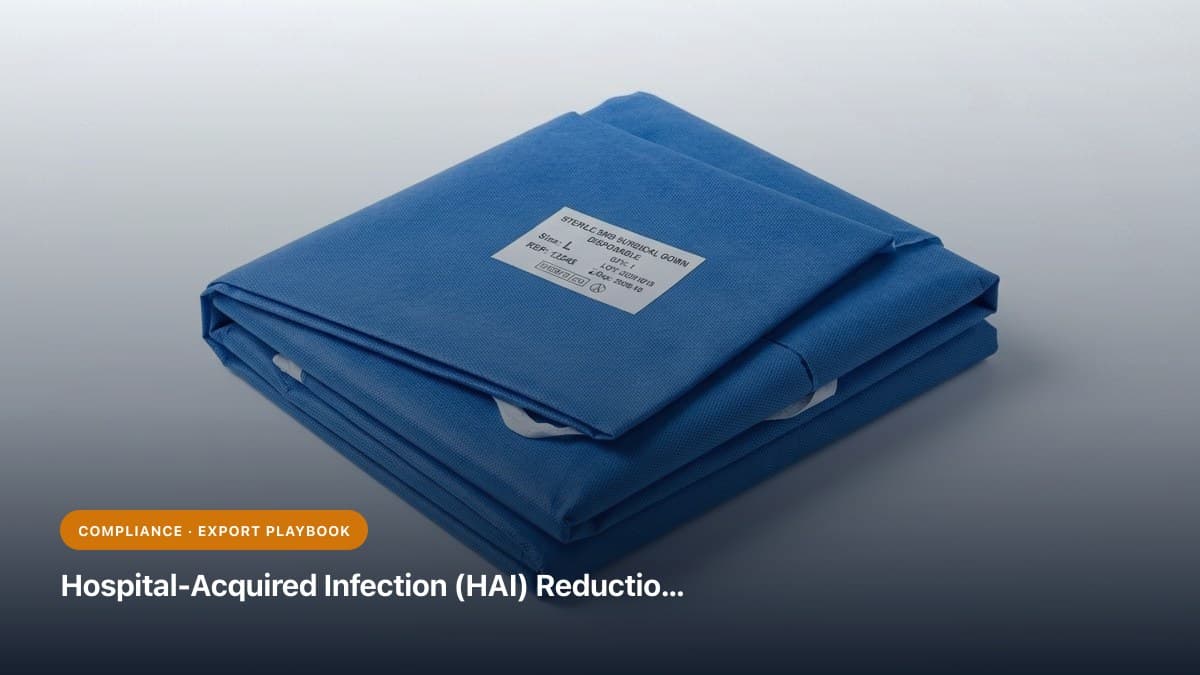
A practical guide for hospital epidemiologists, infection control officers, and supply chain directors evaluating viral barrier apparel, passive safety cannulas, and catheter-related bloodstream infection (CRBSI) reduction.