Importing Medical Consumables into Ethiopia: EFDA Compliance, EPSS Public Tenders & India Supply Chain Guide (2026)
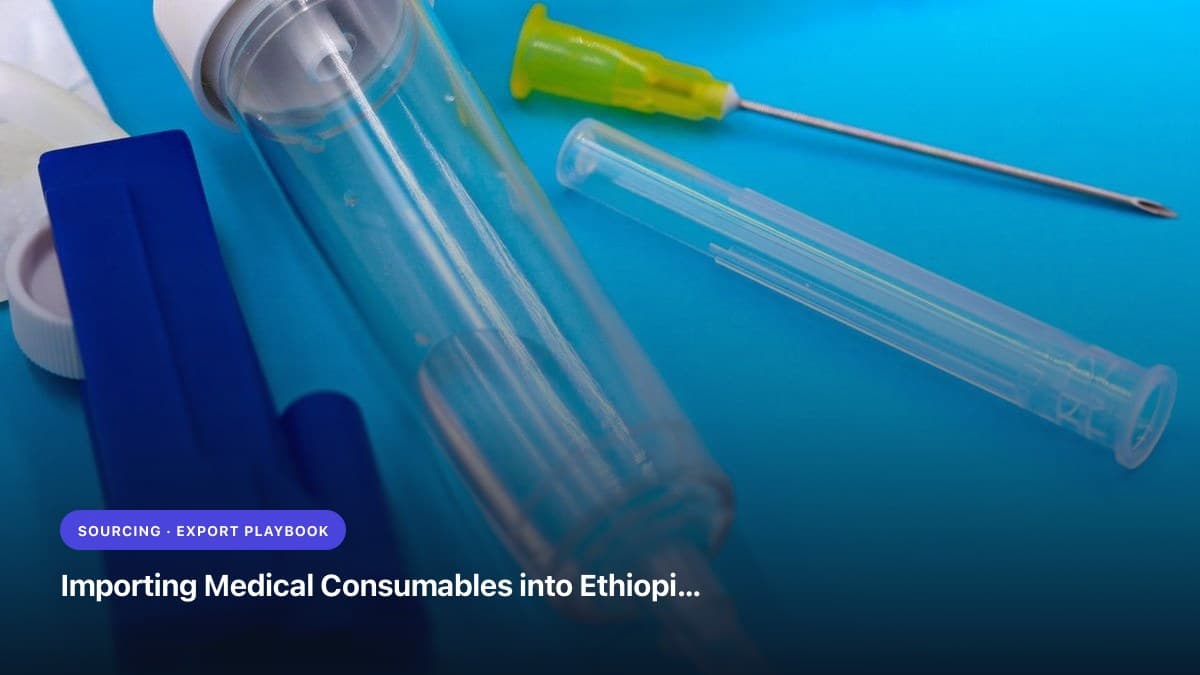
With a population exceeding 125 million and substantial international donor funding (World Bank, Global Fund, USAID), Ethiopia is one of the highest-volume medical consumable import markets in Sub-Saharan Africa. The Ethiopian Pharmaceuticals Supply Service (EPSS) conducts multi-million dollar annual international competitive bids (ICB) for sterile surgical gloves, hypodermic syringes, IV infusion sets, and surgical sutures to supply over 4,000 public health centers and 400 hospitals. Regulated under Ethiopian Food and Drug Authority (EFDA) Proclamation 1112/2019, Ethiopian importers who align with verified Indian OEM manufacturing plants gain an insurmountable pricing and regulatory edge over legacy European brand traders.
Sharmil Mangukiya (Founder & MD) 3 min read September 8, 2026 · Updated September 8, 2026
Key Summary & AI Takeaways
A comprehensive operational blueprint for Ethiopian medical importers navigating EFDA regulatory registration, winning EPSS government framework tenders, accessing priority Forex L/Cs, and managing smooth logistics via the Djibouti-Addis corridor.
In Ethiopia, the registration and quality assurance of medical devices and consumables are governed by the Ethiopian Food and Drug Authority (EFDA) under Proclamation No. 1112/2019. Registration through the online i-Register portal is mandatory prior to commercial importation.
1. EFDA Digital Registration via i-Register & Classification
The EFDA enforces a four-tier risk classification system (Class I to Class IV) aligned with global harmonized standards. Foreign manufacturers must issue a formal Agency Agreement (Power of Attorney) to a licensed Ethiopian importer or regulatory agent:
EFDA Risk Class
Medical Consumable Examples
Core Technical Requirements
Standard Review Timeline
Market License Duration
Class I (Low)
Elastic bandages, non-sterile gauze, surgical face masks, examination gloves
Declaration of Conformity, ISO 13485, FSC, artwork
45 – 60 Days
4 Years
Class II (Medium-Low)
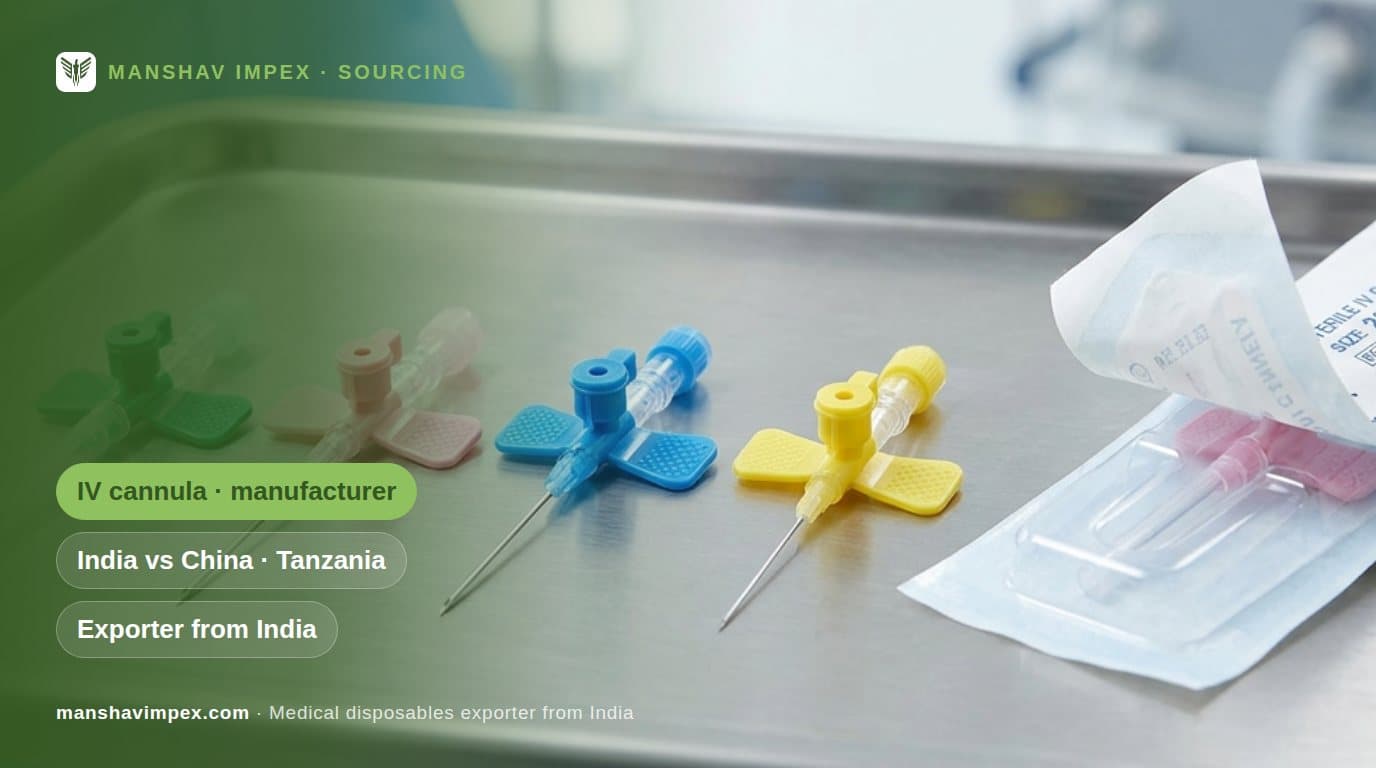
Sterile latex surgical gloves, hypodermic syringes, IV cannulas, infusion sets
Full CTD Dossier, ISO 13485, CE/GMP evidence, 3-batch CoA, Sterilization Report
The Ethiopian Pharmaceuticals Supply Service (EPSS) centralizes public healthcare procurement in Ethiopia. Medical imports enjoy top-priority Foreign Exchange (Forex) allocation from the National Bank of Ethiopia (NBE) via commercial banks for Letter of Credit (L/C) opening:
EPSS Tender Compliance: Indian manufacturers supply Manufacturer's Authorization Form (MAF), 100% compliance matrices against EPSS technical specifications, and historical performance certificates.
Forex Priority: Under NBE directives, essential medical consumables (HS 4015, HS 9018, HS 3006) sit in Category 1 for foreign currency allocation, bypassing long commercial waiting queues.
Flexible Payment Terms: Irrevocable Letter of Credit (L/C at sight) and CAD (Cash Against Documents) backed by prominent Ethiopian commercial banks (CBE, Awash Bank, Dashen Bank).
3. Logistics: Port of Djibouti to Modjo Dry Port & Addis Ababa
As a landlocked nation, Ethiopia routes over 95% of its maritime container traffic through the Port of Djibouti, connected directly to Addis Ababa via the modern Ethio-Djibouti standard-gauge electrified railway and multimodal road corridors:
Corridor Segment
Transit Mode
Typical Transit Time
Key Operational Checkpoint
Port Mundra / JNPT to Port of Djibouti
Direct Ocean Container Line
10 – 14 Days
Fast Red Sea corridor with direct weekly sailings
Port of Djibouti Customs Clearance
Multimodal Transport System (MTS)
3 – 5 Days
Transit document validation by Ethiopian Shipping & Logistics Services (ESLSE)
Djibouti to Modjo Dry Port / Addis Ababa
Electrified Rail / Heavy Trucking
2 – 4 Days
Final customs clearance and EFDA physical inspection at Modjo Dry Port
Direct 10-day sea freight from India's west coast to Djibouti combined with priority Forex allocation makes Indian medical manufacturing the backbone of Ethiopian public and private healthcare supply.
Participating in EPSS tenders or private hospital distribution in Ethiopia?
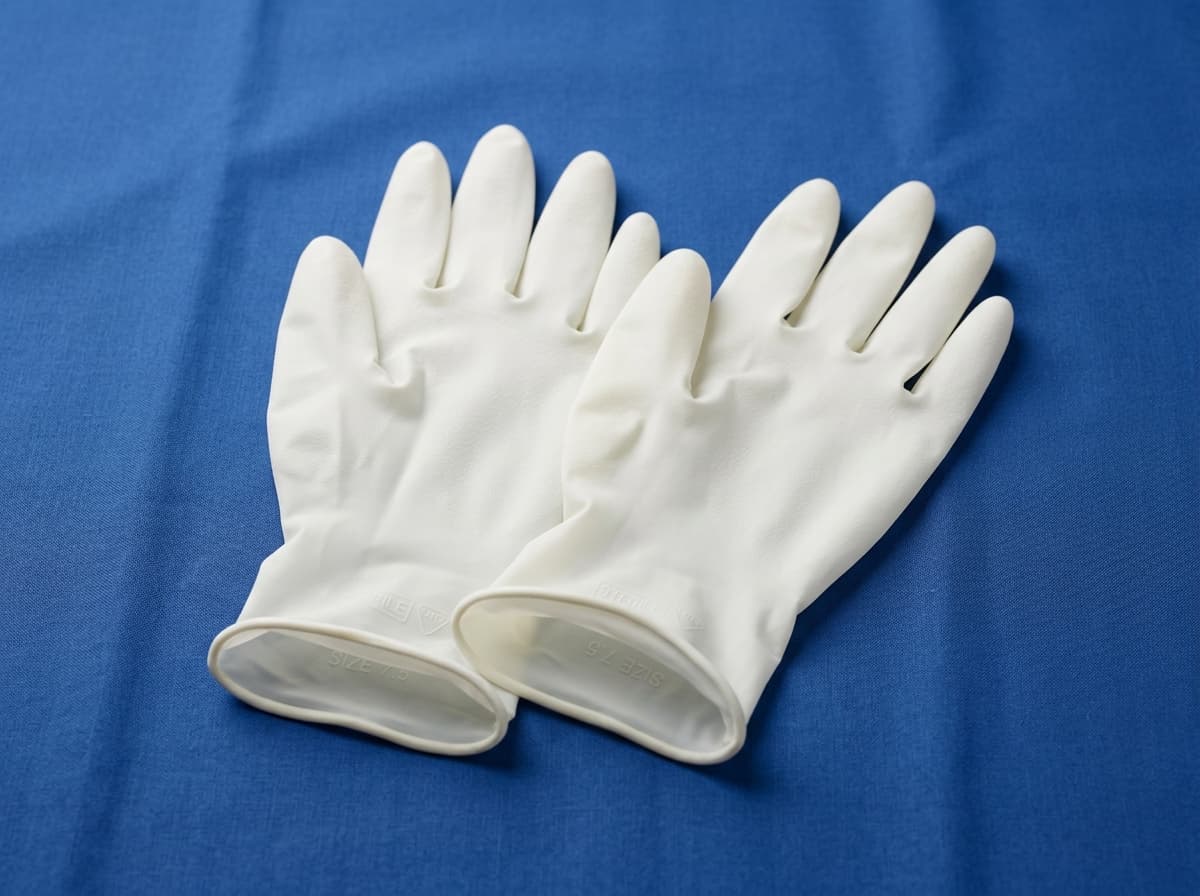
Pre-donned sterile natural latex surgical gloves with curved anatomical fingers, micro-textured anti-slip finish, beaded cuff, available in powdered and powder-free polymer coated grades. Container consignments dispatched from Port Mundra & Port Nhava Sheva, with certificates and test reports shared with every quotation.
Made to CE MDRMade to ISO 13485Made to EN 455Made to ASTM D3577MOQ: 50,000 pairs
What is the validity of an EFDA medical device registration certificate in Ethiopia?
Registration certificates issued by the Ethiopian Food and Drug Authority (EFDA) are valid for 4 years and can be renewed by submitting updated quality certificates and post-market safety reports.
Are medical consumables prioritized for Foreign Exchange (Forex) in Ethiopia?
Yes. Under National Bank of Ethiopia (NBE) monetary directives, essential pharmaceutical products and medical consumables fall under Priority 1 for foreign currency allocation, enabling fast L/C opening.
How does multimodal cargo move from Djibouti to Addis Ababa?
Cargo is consigned through the Ethiopian Shipping and Logistics Services Enterprise (ESLSE) under a Single Multimodal Bill of Lading, moving in-bond directly from the Port of Djibouti to Modjo Dry Port outside Addis Ababa for final customs clearance.
Sharmil Mangukiya (Founder & MD)
Sharmil Mangukiya is the founder and managing director of Manshav Impex, an Indian manufacturer & exporter of medical disposables serving importers, distributors, hospitals and governments in 48+ countries since 2019.