The Landed Cost of Disposable Syringes: a Worksheet for Importers
Two quotations for the same 5 ml syringe can be 8% apart on FOB and land at the same warehouse cost - packing density, freight base and duty treatment decide the real number.

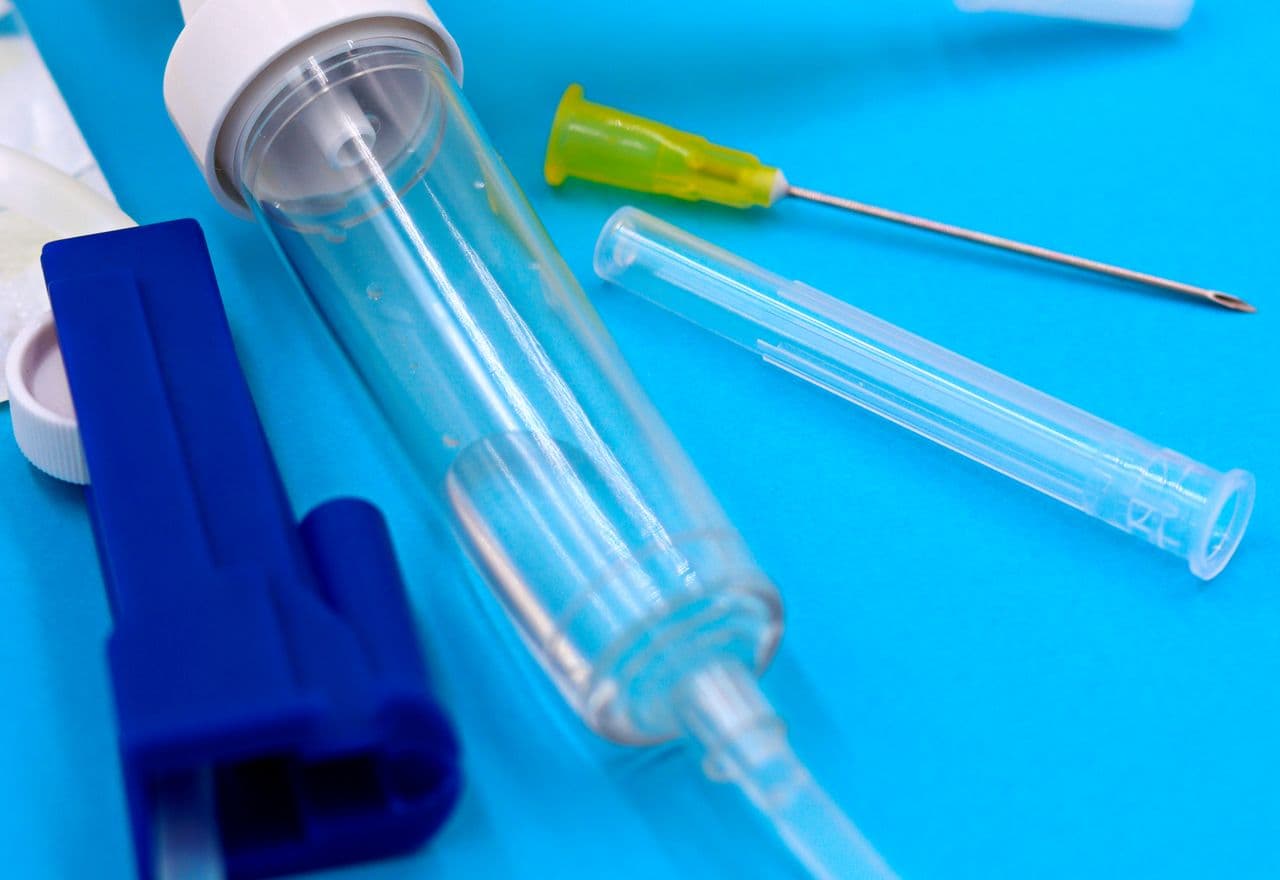
Kenyan distributors and hospital suppliers who buy disposable syringes from India usually receive five or six quotations that look identical: 2 ml, 5 ml and 10 ml, sterile, with needle, a price per piece. The differences that matter - barrel clarity, needle gauge mix, packing density, documents for the Pharmacy and Poisons Board and how the cartons survive Mombasa - only show up after the first container. This is how experienced importers choose a manufacturer before that.
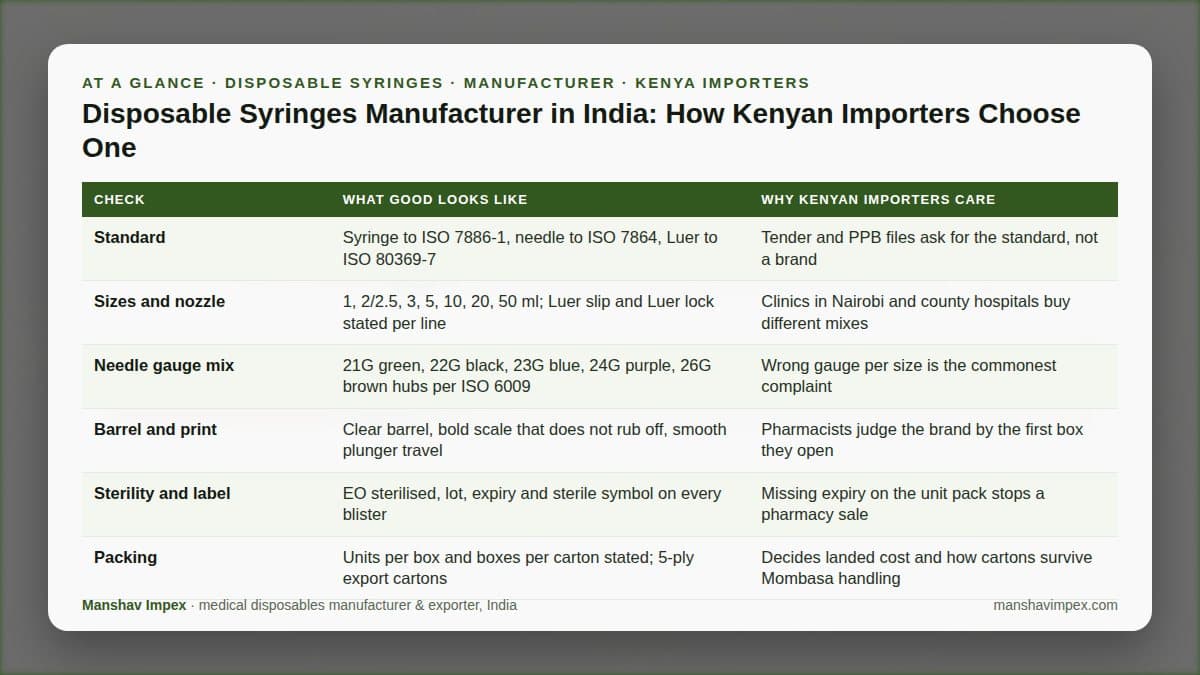
Every Indian syringe offer looks the same on paper. Kenyan distributors who stay in stock compare the same six things before price - here they are.
Kenya's private clinics, pharmacies and county hospitals move syringes in very high volume, and a distributor's margin on them is thin. That makes the choice of manufacturer less about the lowest piece price and more about consistency: the same quality, the same carton, the same paperwork, shipment after shipment.
They shortlist on documents, test on samples, and decide on landed cost. A manufacturer or exporter from India makes the shortlist only if it can show an ISO 13485 certificate in the same legal name as the invoice, a product file that matches what the Pharmacy and Poisons Board (PPB) expects, and samples that pass the checks in the table below.
| Check | What good looks like | Why Kenyan importers care |
|---|---|---|
| Standard | Syringe to ISO 7886-1, needle to ISO 7864, Luer to ISO 80369-7 | Tender and PPB files ask for the standard, not a brand |
| Sizes and nozzle | 1, 2/2.5, 3, 5, 10, 20, 50 ml; Luer slip and Luer lock stated per line | Clinics in Nairobi and county hospitals buy different mixes |
| Needle gauge mix | 21G green, 22G black, 23G blue, 24G purple, 26G brown hubs per ISO 6009 | Wrong gauge per size is the commonest complaint |
| Barrel and print | Clear barrel, bold scale that does not rub off, smooth plunger travel | Pharmacists judge the brand by the first box they open |
| Sterility and label | EO sterilised, lot, expiry and sterile symbol on every blister | Missing expiry on the unit pack stops a pharmacy sale |
| Packing | Units per box and boxes per carton stated; 5-ply export cartons | Decides landed cost and how cartons survive Mombasa handling |
Ask whether any other conformity inspection applies to your consignment as well, and check with your clearing agent and the regulator rather than relying on a supplier's assurance. Rules change; the regulator's current guidance is the only version that counts.
Order paid samples of the exact SKUs you plan to sell and hand two boxes to a pharmacist you supply. Ask them to use a box in a normal week and tell you about plunger feel, scale legibility and needle sharpness. That feedback predicts reorders better than any certificate, and it costs you only a courier fee.
Syringes are light but bulky, so freight is charged mainly on volume. A manufacturer that packs more units per carton without crushing the blisters lowers your cost per piece more than a small cut in FOB price. Most Kenyan importers consolidate syringes with gloves, IV sets and cannulas in one container from Nhava Sheva or Mundra to Mombasa, then truck to Nairobi. Build port clearance and inland transit into your stock plan so you reorder before the shelf runs empty.
In syringes, the supplier you keep is the one whose fifth container looks exactly like the first.
Request a current quotation from each shortlisted manufacturer on the same basis: size, nozzle type, needle gauge, units per box and carton, carton dimensions, Incoterm and destination port. Then run the numbers to landed cost in Kenya shillings. Our landed-cost worksheet for syringe imports walks through that calculation line by line.
High-precision sterile single-use disposable syringes with Luer-Lock and Luer-Slip options, clear graduation barrel, smooth gliding medical-grade plunger, and mounted ultra-sharp hypodermic needles. Container consignments dispatched from Port Mundra & Port Nhava Sheva, with certificates and test reports shared with every quotation.
India has many syringe manufacturers and exporters, from very large plants to mid-size makers serving export markets. Rather than relying on a ranking, shortlist manufacturers that show an ISO 13485 certificate, per-size technical sheets and samples that pass your own checks.
The Pharmacy and Poisons Board (PPB) regulates medical devices in Kenya, including product registration and import permits. Confirm the current requirements, fees and timelines directly with the PPB before ordering.
Common pairings are 23G or 24G with 2-3 ml syringes, 22G or 23G with 5 ml, and 21G with 10-20 ml, but Kenyan buyers vary. State the gauge and needle length per size on the purchase order; hub colours follow ISO 6009 (21G green, 22G black, 23G blue, 24G purple).
Luer slip is the volume choice for routine injections in clinics and pharmacies. Luer lock suits IV lines, infusion and anything where the needle or connector must not detach. Most distributors stock both, weighted towards Luer slip.
Prices move with resin cost, size, needle and quantity, so request a current quotation. Compare offers on the same size, nozzle, needle gauge, units per carton, Incoterm and destination, then work out landed cost per piece in Kenya.
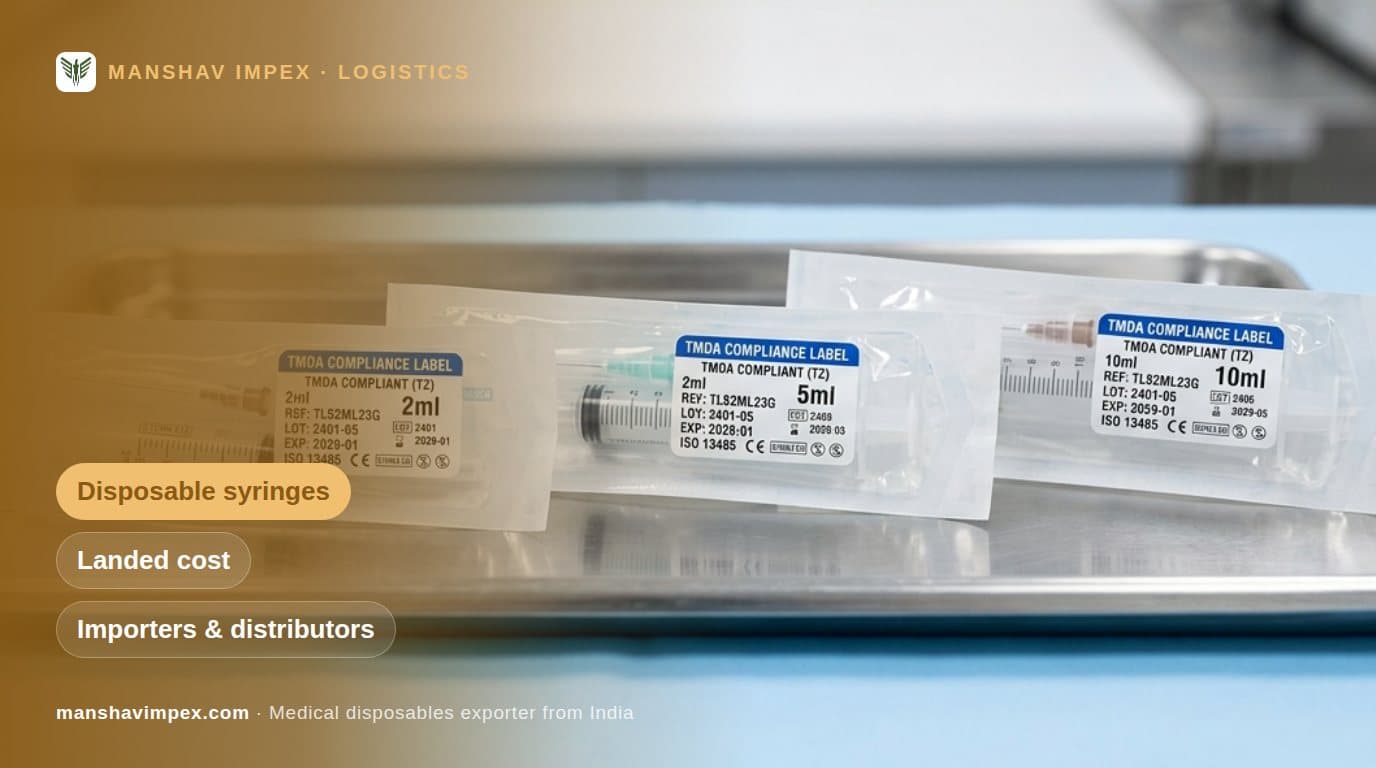
Two quotations for the same 5 ml syringe can be 8% apart on FOB and land at the same warehouse cost - packing density, freight base and duty treatment decide the real number.
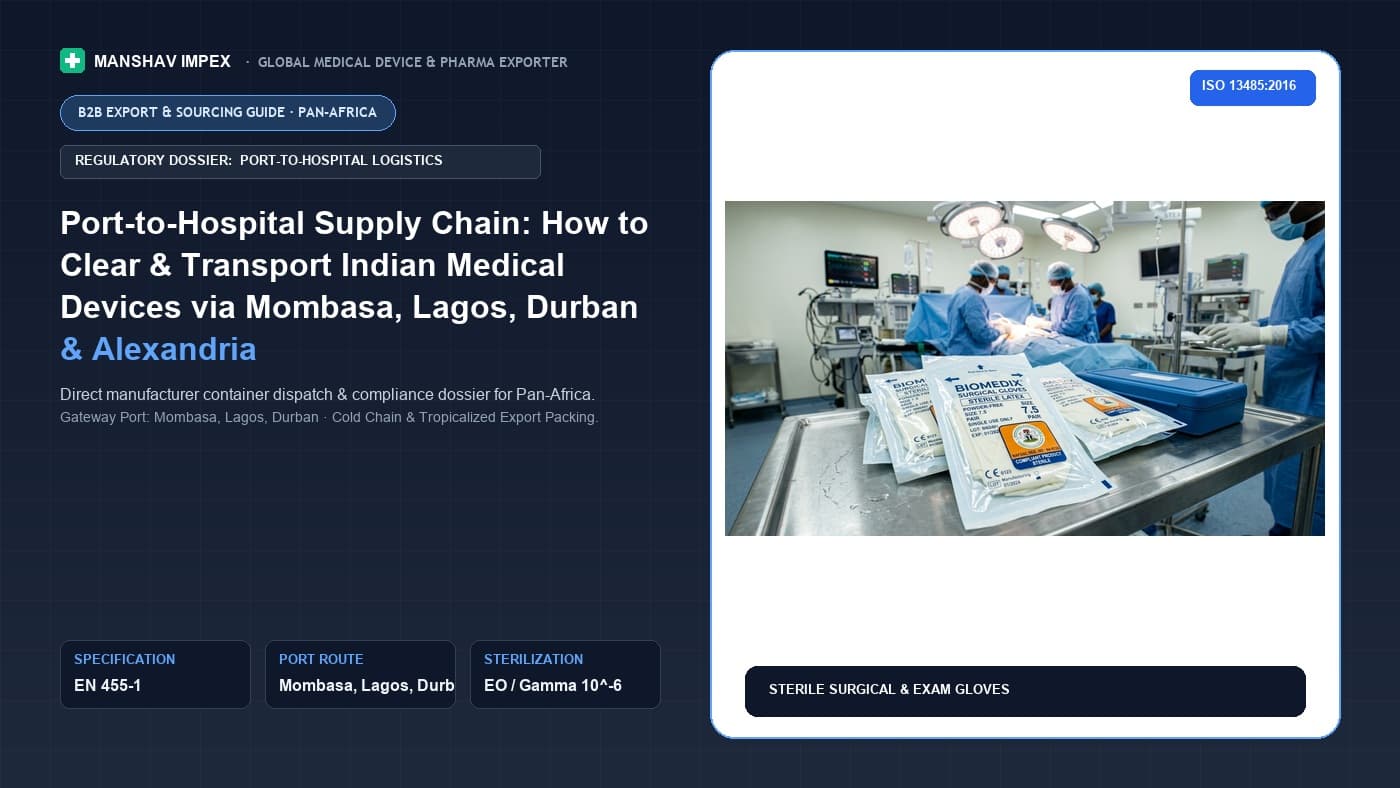
How to avoid costly port demurrage, navigate pre-shipment inspections, and safeguard sterile consumables during ocean transit to African destinations.
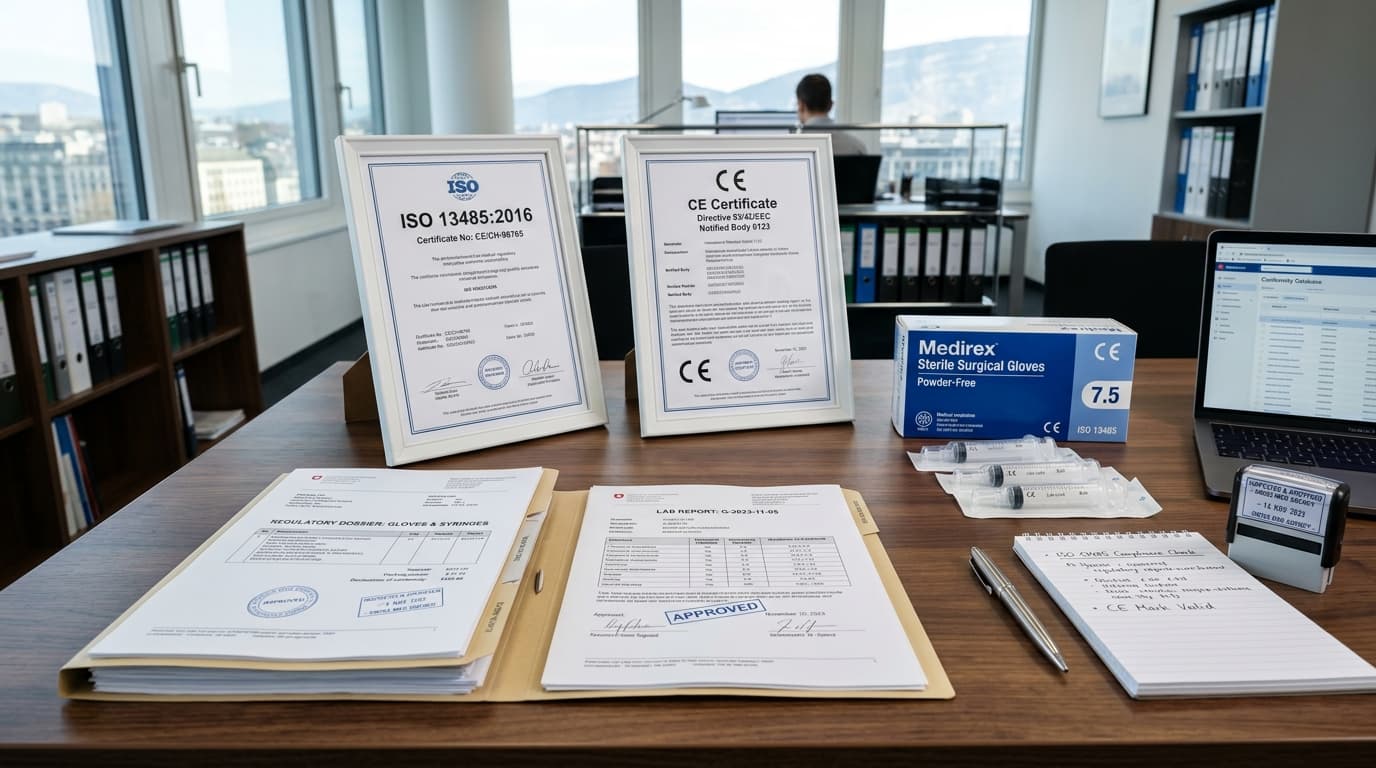
From Certificate of Free Sale legalisation to real-time stability testing: how to assemble bulletproof regulatory dossiers for Nigeria (NAFDAC), Kenya (PPB), and Tanzania (TMDA).