Disposable Syringes Manufacturer in India: How Kenyan Importers Choose One
Every Indian syringe offer looks the same on paper. Kenyan distributors who stay in stock compare the same six things before price - here they are.

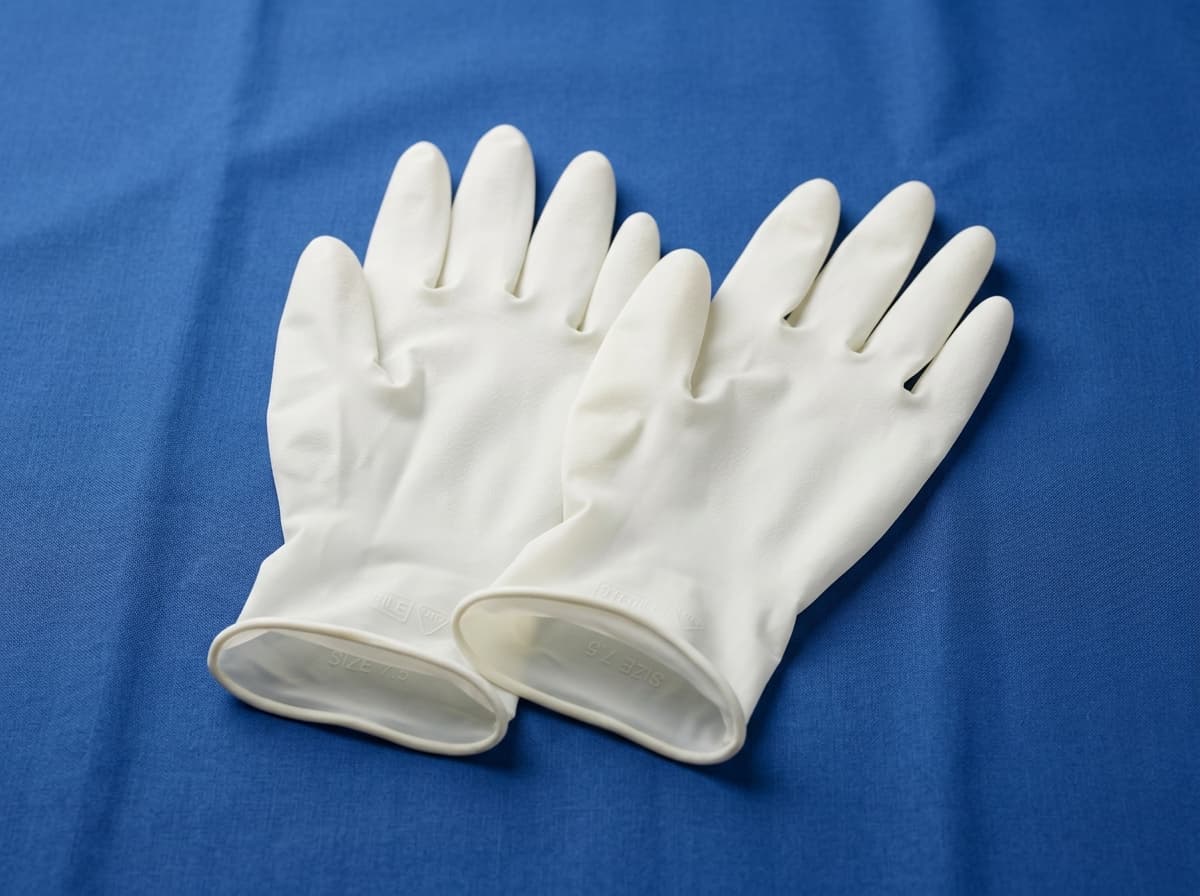
For decades, natural rubber latex (NRL) served as the undisputed gold standard in operating theater gloves due to its unrivaled elasticity, high barrier resilience, and comfortable tactile memory. However, the accumulation of extractable latex proteins (Hev b 1 through Hev b 13) has caused alarming rates of occupational Type I IgE-mediated latex hypersensitivity among surgeons and nurses, as well as life-threatening intraoperative anaphylaxis in sensitized patients. Synthetic polyisoprene (PI) mimics the exact molecular cis-1,4-polyisoprene polymer chain of natural rubber without containing any organic plant proteins. This procurement guide analyzes the clinical, tactile, and financial factors driving global hospital shifts from latex to synthetic polyisoprene.
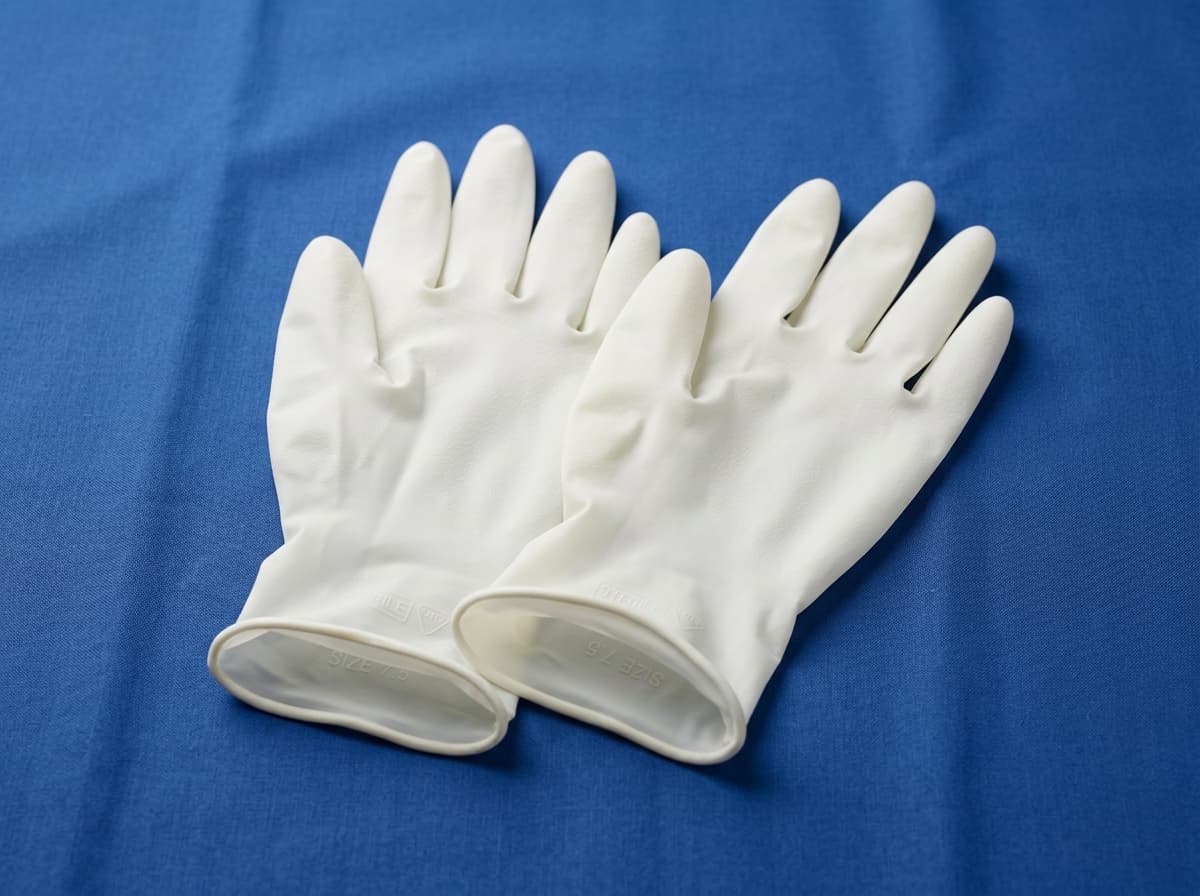
Operating suites worldwide are phasing out natural latex to protect staff and patients from severe Type I allergic sensitization. This guide examines polyisoprene economics.
Synthetic polyisoprene surgical gloves completely eliminate natural rubber proteins (0 µg/g extractable protein), eradicating Type I allergic reactions while matching the elongation (>750%) and low modulus of natural latex. While polyisoprene carries an initial procurement premium of 40–60% over standard powder-free latex, it drastically reduces hospital occupational health claims, special-order latex-free glove inventory costs, and surgery cancellation delays. Indian automated dipping plants manufacture polyisoprene gloves meeting EN 455 and ASTM D3577 at direct manufacturer FOB rates.
Surgeons frequently reject synthetic nitrile gloves in operating rooms due to stiff hand fatigue. Polyisoprene bridges the gap between synthetic safety and natural latex comfort:
| Physical Parameter | Natural Rubber Latex (NRL) | Synthetic Polyisoprene (PI) | Nitrile Examination / Surgical | Clinical Impact |
|---|---|---|---|---|
| Type I Allergy Risk | High (Contains Hev b plant proteins) | Zero (100% synthetic hydrocarbon polymer) | Zero (Synthetic copolymer) | PI guarantees total safety for sensitized surgeons and patients |
| Tensile Strength (MPa) | ≥ 24 MPa | ≥ 17 to 20 MPa | ≥ 14 to 16 MPa | Both latex and PI easily exceed ASTM D3577 requirements (17 MPa) |
| Elongation at Break (%) | > 750% | > 700% to 750% | > 450% to 500% | PI stretches like natural skin; nitrile feels rigid during fine micro-suturing |
| Modulus at 300% (MPa) | < 2.0 MPa (Very soft) | < 2.0 MPa (Very soft) | > 3.5 MPa (High resistance) | Low modulus prevents hand cramping during 4+ hour procedures |
| Double-Gloving Friction | High tackiness without coating | Micro-textured outer / polymer inner | Moderate | Polymer-coated PI glides smoothly for rapid intraoperative double-gloving |
Beyond Type I protein allergies, clinicians frequently suffer from Type IV allergic contact dermatitis triggered by residual chemical accelerators (thiurams, dithiocarbamates, and mercaptobenzothiazoles) used in rubber vulcanization:
While polyisoprene gloves cost more per pair than natural latex, maintaining separate latex-only and latex-free surgical suites creates expensive logistical overhead and risks catastrophic cross-contamination. Transitioning entire surgical departments to 100% polyisoprene standardizes theatre setups, eliminates surgery cancellations, and lowers hospital liability insurance premiums.
Polyisoprene surgical gloves are individually packaged in sterile, easy-peel fiber-free inner wallets inside medical-grade barrier pouches. Standard sizes include 5.5, 6.0, 6.5, 7.0, 7.5, 8.0, 8.5, and 9.0. Packed 50 pairs per dispenser box (200 pairs per master export carton), a 20ft container loads up to 120,000 pairs, and a 40ft High Cube accommodates up to 260,000 pairs.
Pre-donned sterile natural latex surgical gloves with curved anatomical fingers, micro-textured anti-slip finish, beaded cuff, available in powdered and powder-free polymer coated grades. Container consignments dispatched from Port Mundra & Port Nhava Sheva, with certificates and test reports shared with every quotation.
Yes. In addition to standard 0.20 mm thickness gloves, Manshav supplies reinforced Heavy-Duty Orthopedic Polyisoprene gloves (0.28 to 0.32 mm fingertip thickness) that provide superior puncture resistance during bone reaming and wire handling without compromising tactile feel.
Our polyisoprene surgical gloves are 100% batch inspected to an AQL of 1.0 (or optional AQL 0.65 for high-tier tenders) for pinholes via the 1,000 mL water leak test under EN 455-1 and ASTM D3577.
Yes. Select formulations of Manshav polyisoprene gloves are tested and approved under ASTM D6978 for continuous resistance to breakthrough by dangerous antineoplastic chemotherapy drugs, including Carmustine, Cisplatin, and Thiotepa.
Manshav polyisoprene surgical gloves maintain a validated 3 to 5-year sterile shelf life under ethylene oxide (EO) sterilization, supported by accelerated aging tests per ISO 11607.
Every Indian syringe offer looks the same on paper. Kenyan distributors who stay in stock compare the same six things before price - here they are.
A blade tender in Ethiopia is won on the technical sheet and lost at the Djibouti corridor. Here is what bidders line up with their Indian supplier before they submit.
Nigerian wards go through IV sets faster than almost any other consumable. Here is what hospital buyers check — drop factor, filter, spike, clamp and paperwork — before they switch supplier.