Sterile Surgical Gloves: Latex vs. Nitrile Powdered & Powder-Free Buyer Comparison
Latex or Nitrile? Powdered or Powder-Free? What African hospital buyers and importers must evaluate before bulk purchasing.

Operating rooms across the European Union, particularly in Germany and Scandinavia, have systematically transitioned away from natural rubber latex (NRL) surgical gloves to eradicate occupational Type I IgE-mediated latex allergies among surgical staff and patients. While polychloroprene (neoprene) was an early substitute, synthetic polyisoprene (PI) has emerged as the premier clinical standard because its molecular structure closely mimics natural rubber without containing antigenic plant proteins. For European medical distributors sourcing under the EU Medical Device Regulation (MDR 2017/745), understanding the formulation science, barrier integrity (AQL 0.65), and landed commercial economics of polyisoprene gloves is critical.
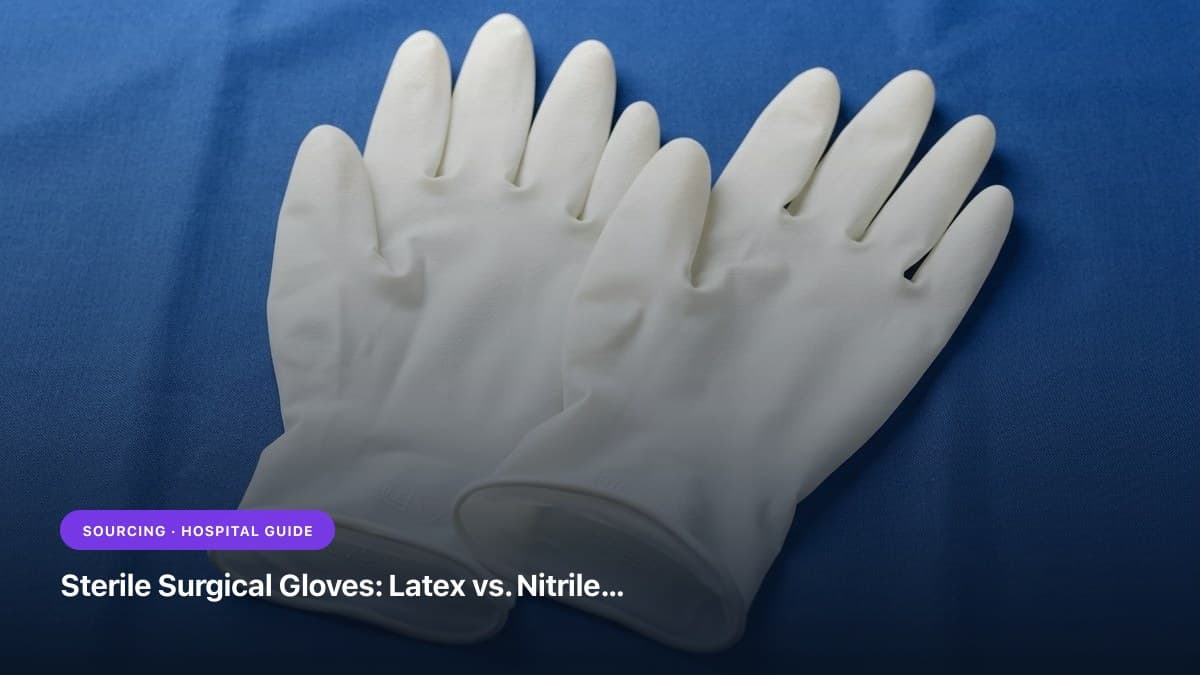
Operating rooms across the European Union have systematically transitioned away from natural rubber latex surgical gloves to eradicate occupational Type I IgE-mediated allergies among surgical staff and patients.
Synthetic polyisoprene matches the tensile elongation (over 750%) and low modulus of natural latex, offering surgeon comfort without hand fatigue. Unlike neoprene, which feels stiffer, or nitrile, which has limited elasticity, polyisoprene provides identical tactile sensitivity while delivering complete freedom from natural rubber proteins, eliminating Type I allergy liabilities under BfArM guidance.
| Performance Parameter | Synthetic Polyisoprene (PI) | Natural Rubber Latex (NRL) | Medical Grade Nitrile (NBR) | Clinical / Theatre Significance |
|---|---|---|---|---|
| Raw Polymer Base | Cis-1,4-polyisoprene (synthetic) | Hevea brasiliensis latex | Acrylonitrile butadiene | Determines elasticity and protein profile |
| Protein Content | 0.0 µg/g (Zero plant protein) | 20 – 50 µg/g (Allergenic) | 0.0 µg/g | PI completely eliminates Type I latex allergies |
| Tensile Strength (MPa) | 22 – 26 | 24 – 28 | 18 – 22 | High resistance to intra-operative tearing |
| Elongation at Break (%) | > 750% | > 800% | > 500% | Superior stretch mimics natural latex comfort |
| Modulus at 300% (MPa) | 1.4 – 1.8 (Very soft) | 1.3 – 1.6 (Soft) | 2.5 – 3.2 (Stiff) | Low modulus prevents surgeon finger cramping |
| Double Gloving Tactile Feel | Exceptional | High | Moderate | PI underglove + PI overglove maintains touch |
European hospital consortiums evaluating tenders are no longer simply looking at unit price. They evaluate surgeon acceptance rates and double-gloving comfort. Polyisoprene's low modulus allows a surgeon to wear two pairs for 4 hours without experiencing ischemic finger fatigue.
To distribute sterile surgical gloves within Germany, France, and the wider EU, shipments must satisfy rigorous quality assurance parameters: water leak testing demonstrating AQL <= 0.65 (EN 455-1), zinc-free carbamate curing accelerators to minimize Type IV allergies, and Notified Body audited Technical Files.
European operating theaters require validated Gamma Irradiation (Cobalt-60) at 25 kGy minimum dose (ISO 11137), ensuring Sterility Assurance Level (SAL) of 10^-6 without toxic chemical residues, packed in fiber-free medical kraft paper inner wallets.
Synthetic polyisoprene raw polymer is chemically synthesized through stereospecific polymerization, requiring precise cleanroom manufacturing and specialized curing accelerators that carry higher raw material costs than tapped tree latex.
Polyisoprene is the gold standard for double gloving. Most operating theaters pair a green or blue polyisoprene underglove with a straw-colored overglove, providing immediate high-contrast visual puncture detection upon fluid contact.
Standard shelf life is 3 years when stored in cool, dry conditions away from ozone and UV light sources, validated according to EN 455-4.
Yes. Inner peel wallets and master dispenser boxes can be custom-printed with the importer's brand, CE mark, Notified Body number, and national language requirements.
During batch release, samples are randomly drawn according to ISO 2859-1, filled with 1,000 ml of water, and inspected for pinholes immediately and after a 3-minute dwell time.
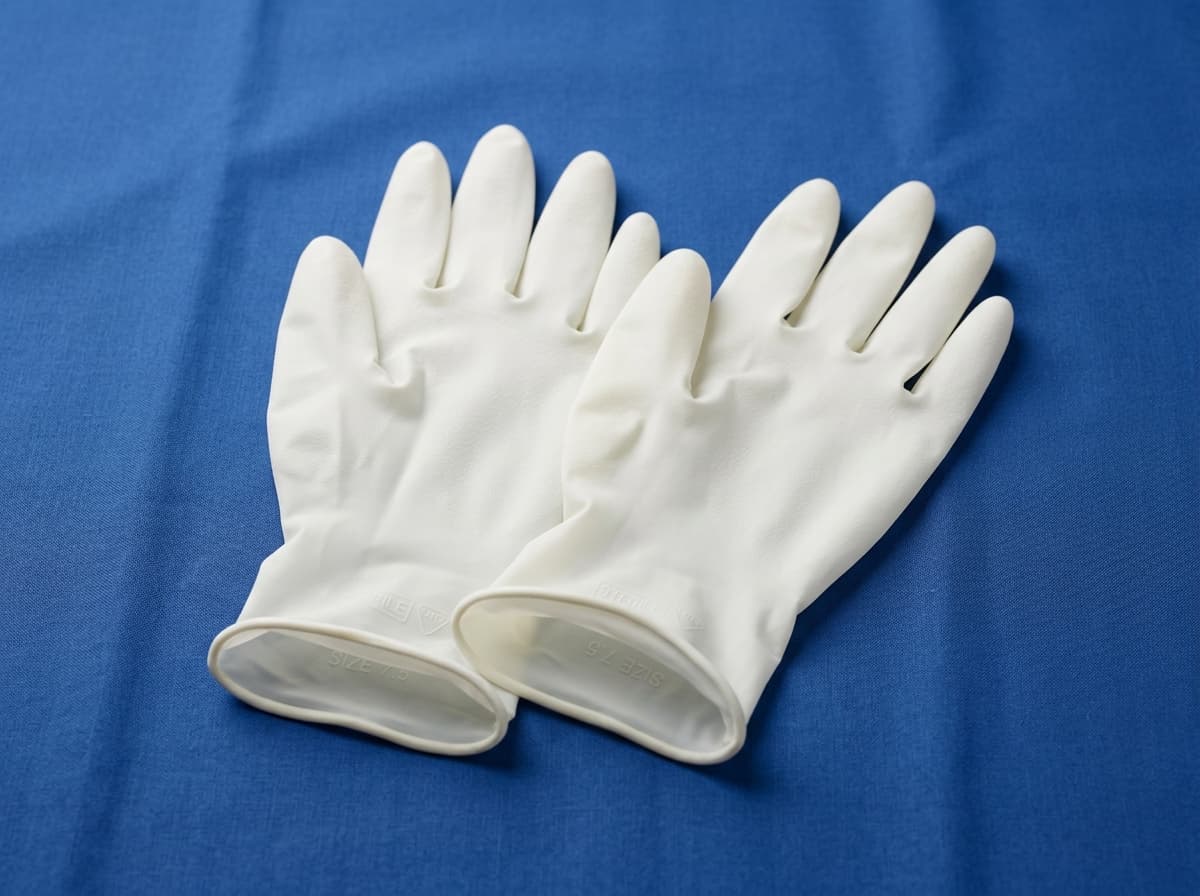
Latex or Nitrile? Powdered or Powder-Free? What African hospital buyers and importers must evaluate before bulk purchasing.

Field protocols for medical distributors importing latex surgical gloves through humid tropical ports like Mombasa, Lagos Apapa, Port Said, and Douala without heat damage.
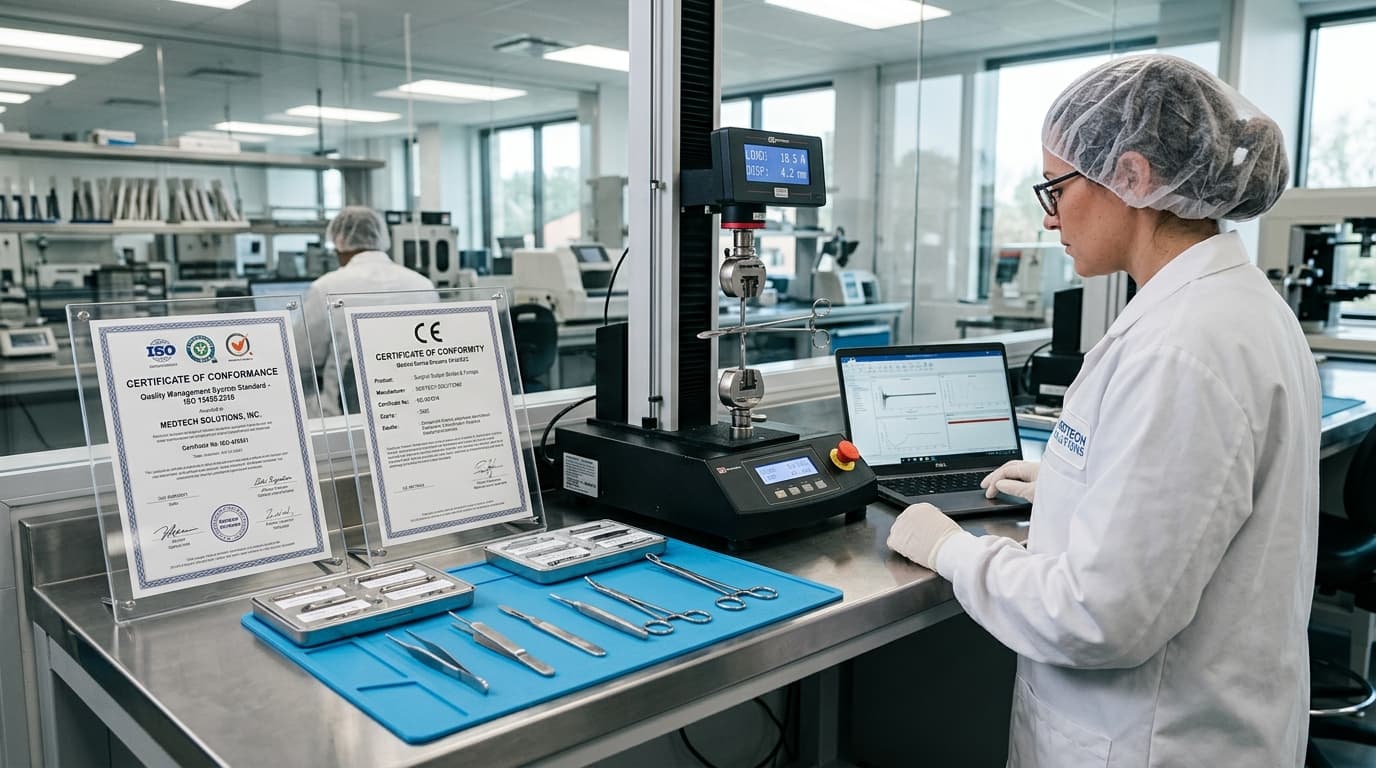
A plain-language guide to the standards that matter when sourcing healthcare products — and how to check them.