Technical Evaluation Checklist for ICU Patient Monitors: Biomedical Standards, NIBP Longevity, and Sensor Compatibility
When hospital procurement committees assess multi-parameter patient monitors for operating rooms, emergency departments, and Intensive Care Units (ICUs), marketing brochures often blur technical boundaries. Every manufacturer highlights a bright color TFT display and basic vital signs monitoring. However, biomedical engineering directors evaluate patient monitors on clinical resilience: electrical isolation under defibrillation shock, NIBP air pump duty cycle life, SpO2 algorithm performance during low peripheral perfusion, and sensor interface standardization.
Sharmil Mangukiya (Founder & MD) 9 min read September 17, 2026
Key Summary & AI Takeaways
Engineering checklist for biomedical directors evaluating multi-parameter patient monitors on IEC 60601 electrical safety, NIBP pump life, and open sensor pinouts.
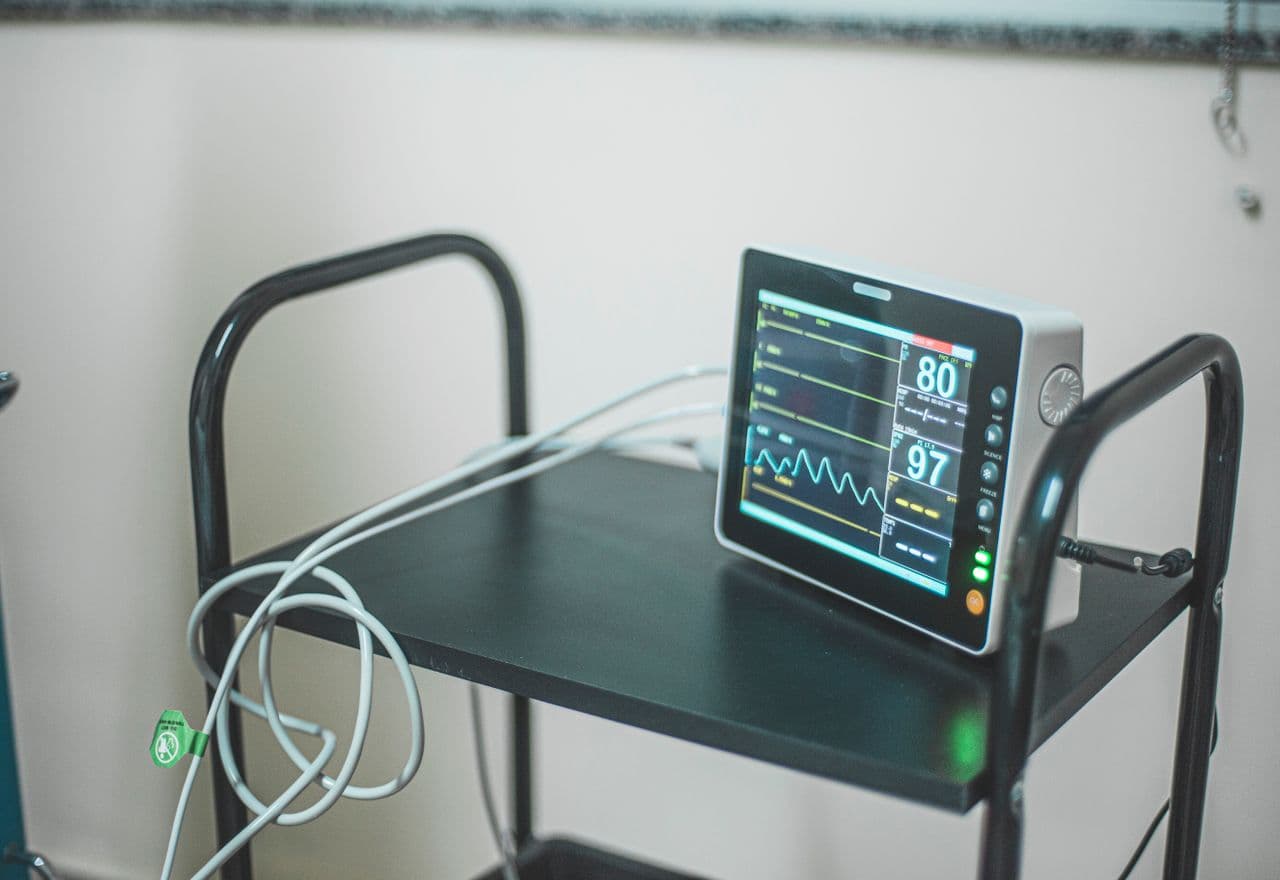
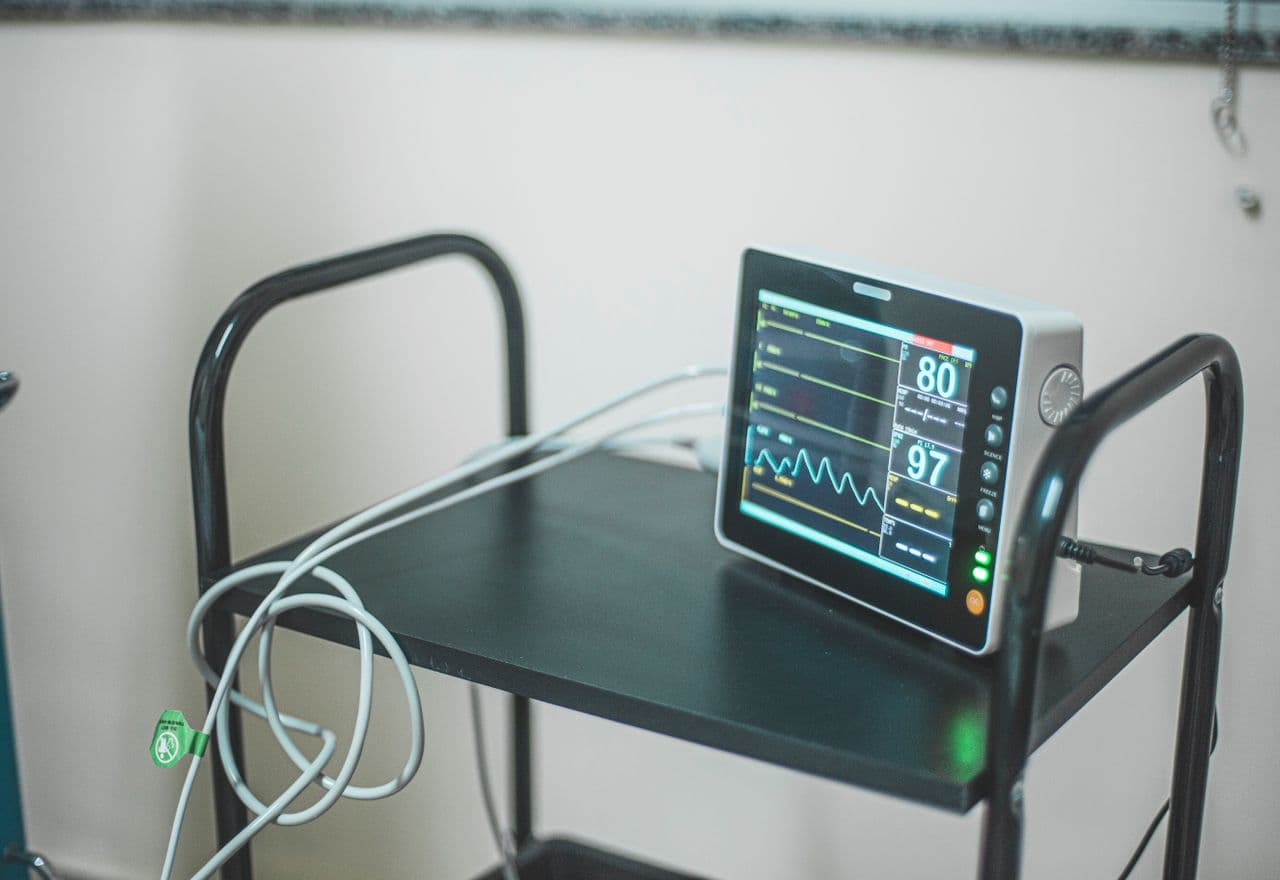
12.1-inch color TFT multi-parameter patient monitor showing real-time ECG, SpO2, NIBP, and respiratory waveforms with standardized sensor connections.
In critical care, patients often undergo emergency cardioversion while connected to monitors. Certified monitors incorporate Class I, Type CF (Cardiac Floating) isolation barriers withstanding 5,000V defibrillator discharges, with fast gas-discharge surge arresters that restore clean ECG baseline traces within 5 seconds of shock delivery.
A patient monitor that looks pristine on an exhibition stand can become a liability in a busy ICU if replacement SpO2 probes cost $200 each because the manufacturer used a proprietary connector pinout. Standard sensor compatibility is an essential tender criterion.
Frequently asked questions
What parameters are standard in a 6-parameter ICU monitor?
Standard parameters include ECG (with ST/arrhythmia analysis), Respiration, SpO2, Non-Invasive Blood Pressure (NIBP), Dual Temperature, and optional IBP/EtCO2.
What is the difference between mainstream and sidestream EtCO2?
Mainstream monitors intubated circuits directly; sidestream aspirates continuous gas samples (50-100 ml/min), ideal for non-intubated patients on nasal prongs.
Can Indian patient monitors connect to central nursing stations?
Yes, monitors include standard RJ-45 Ethernet and optional Wi-Fi modules communicating via TCP/IP to centralized multi-bed software.
How does motion-tolerant SpO2 software function?
Algorithms filter out rhythmic movement artifacts by analyzing absorption waveforms across multiple pulse cycles, isolating the true arterial pulse.
What calibration is required for non-invasive blood pressure modules?
Biomedical engineers should conduct pneumatic leak testing and pressure transducer calibration every 12 months using a digital pressure meter.
Manshav Impex
Manshav Impex is a global exporter of medical devices, surgical consumables and healthcare solutions, serving importers, distributors, hospitals and governments in 48+ countries.