Hypodermic Syringes & IV Cannulas: Luer Lock vs Luer Slip, Siliconization & Needle Penetration Force Standards
A clinical engineering guide on selecting high-grade disposable hypodermic syringes, needles, and IV cannulas for hospital supply chains.

When medical supply distributors assemble their annual procurement forecasts for hypodermic syringes, the evaluation often defaults to a superficial comparison of unit quotation prices. A supplier quotes $0.021 for a 2ml syringe, while another quotes $0.026. However, seasoned healthcare procurement directors understand that unit prices represent only one variable. The structural design difference between a 2-part syringe (barrel and plunger only) and a 3-part syringe (barrel, plunger, and rubber gasket) fundamentally dictates manufacturing cost, packaging volumetric density, container utilization, and clinical market penetration.
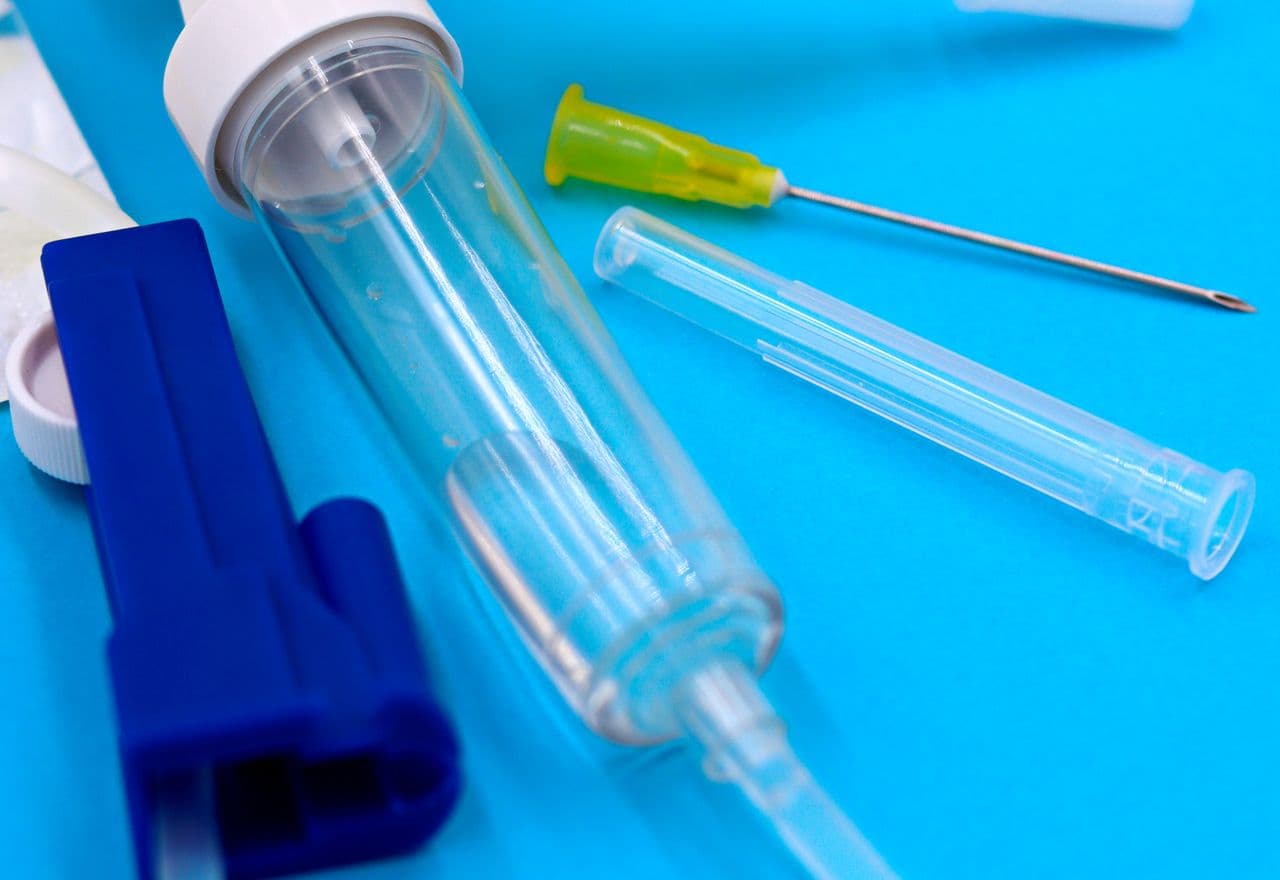
Financial and volumetric engineering breakdown comparing 2-part and 3-part disposable hypodermic syringes for international medical distributors and tender contractors.
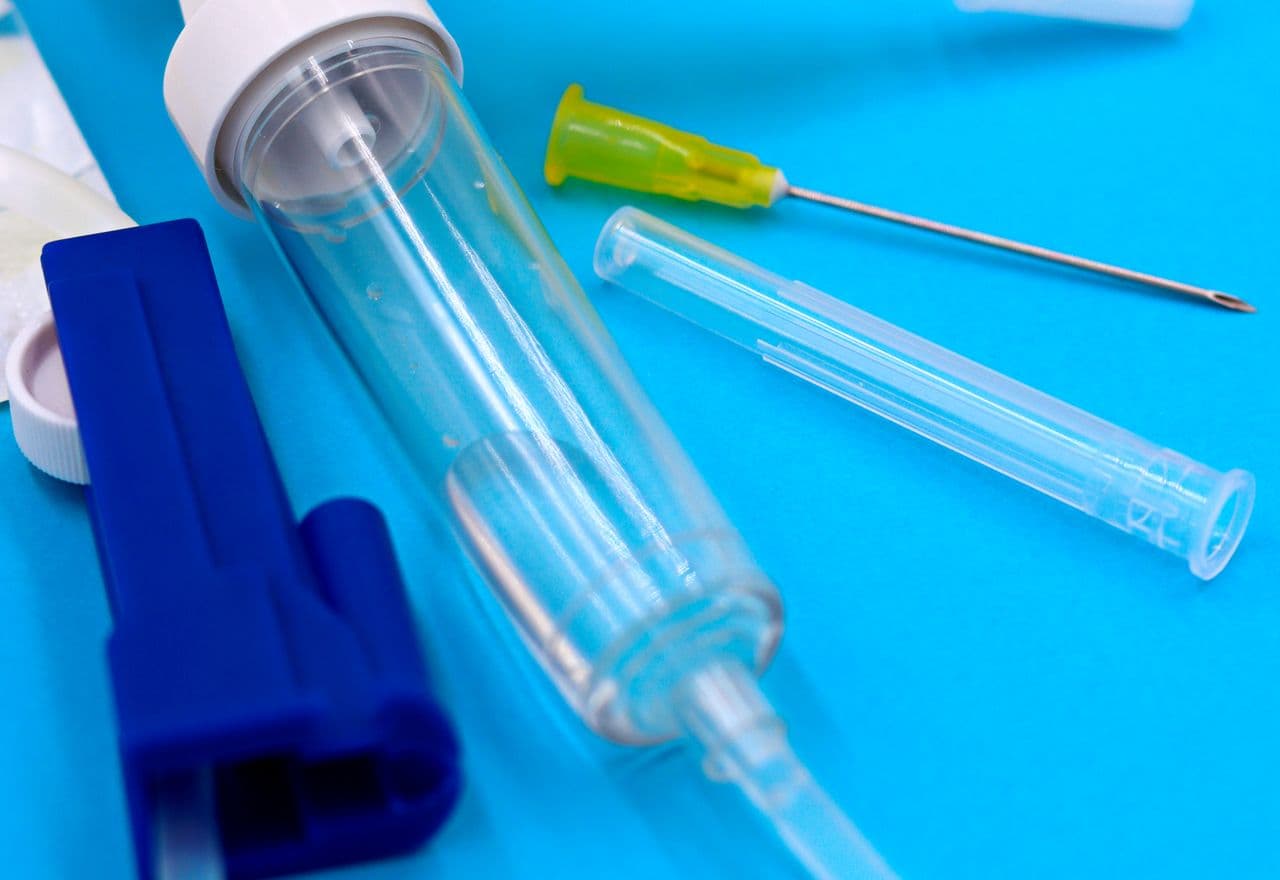
Two-part syringes nest more compactly in ribbon packaging, allowing over 1,450,000 units in a single 40ft HC container compared to 1,100,000 for 3-part blister packs—cutting ocean freight per thousand units by 24%. Explore our disposable syringes range or calculate landed container costs.
A 2-part syringe features a medical-grade polypropylene (PP) barrel and an expanding-lip polyethylene plunger, requiring zero rubber stoppers and zero silicone oil lubricant. This eliminates silicone droplet migration and rubber leachables, making them ideal for sensitive biologics and mass immunization drives. Conversely, 3-part syringes integrate an elastomeric rubber gasket lubricated with medical-grade silicone oil, delivering ultra-smooth plunger travel required for surgical anesthesia and precise micro-titrated drug delivery.
Syringes are voluminous goods that cube out an ocean container long before hitting maximum weight limits. Two-part ribbon-packed syringes pack up to 2,400 pieces per master carton, whereas 3-part blister-packed syringes fit 1,600 pieces. For distributors operating in cost-sensitive public hospital tenders, 2-part syringes deliver a 21% to 26% lower total landed cost per unit.
| Specification (5ml Syringe) | 2-Part Syringe (Ribbon Pack) | 3-Part Syringe (Blister Pack) |
|---|---|---|
| Pieces per Master Carton | 2,400 pcs | 1,600 pcs (Blister pack standard) |
| Master Carton CBM | 0.082 CBM | 0.088 CBM |
| Units per 40ft High Cube (68 CBM) | 1,450,000 pcs | 1,100,000 pcs |
| Ocean Freight per 1,000 units ($3,500 FCL) | $2.41 / 1,000 pcs | $3.18 / 1,000 pcs (-24% freight savings) |
| Average FOB India Price / 1,000 units | $18.00 - $22.00 | $23.00 - $27.00 |
| Best Clinical Use Cases | Vaccination, outpatient clinics, lab sampling | ICU, OR anesthesia, Luer lock drug administration |
A distributor calculating margins purely on FOB factory cost misses the primary profit lever. When ocean freight rates spike, the extra 350,000 syringes packed into a single 40ft High Cube container can double your net profit margin.
Yes. Both 2-part and 3-part syringes are manufactured under ISO cleanrooms, packaged sterile, and sterilized via Ethylene Oxide conforming to ISO 7886-1.
Two-part syringes are completely rubber-free and silicone-free, preventing silicone droplet interaction with delicate proteins or laboratory reagents.
Ribbon packaging seals syringes between two plastic films, maximizing density. Blister packaging uses medical paper on one side for fiber-free aseptic peeling.
Yes, 2-part syringes are manufactured with concentric tips for smaller volumes (1-5ml) and eccentric tips for 10-20ml to aid surface venipuncture.
When stored in standard dry warehouse conditions, sterile disposable syringes carry a validated 5-year shelf-life from sterilization.
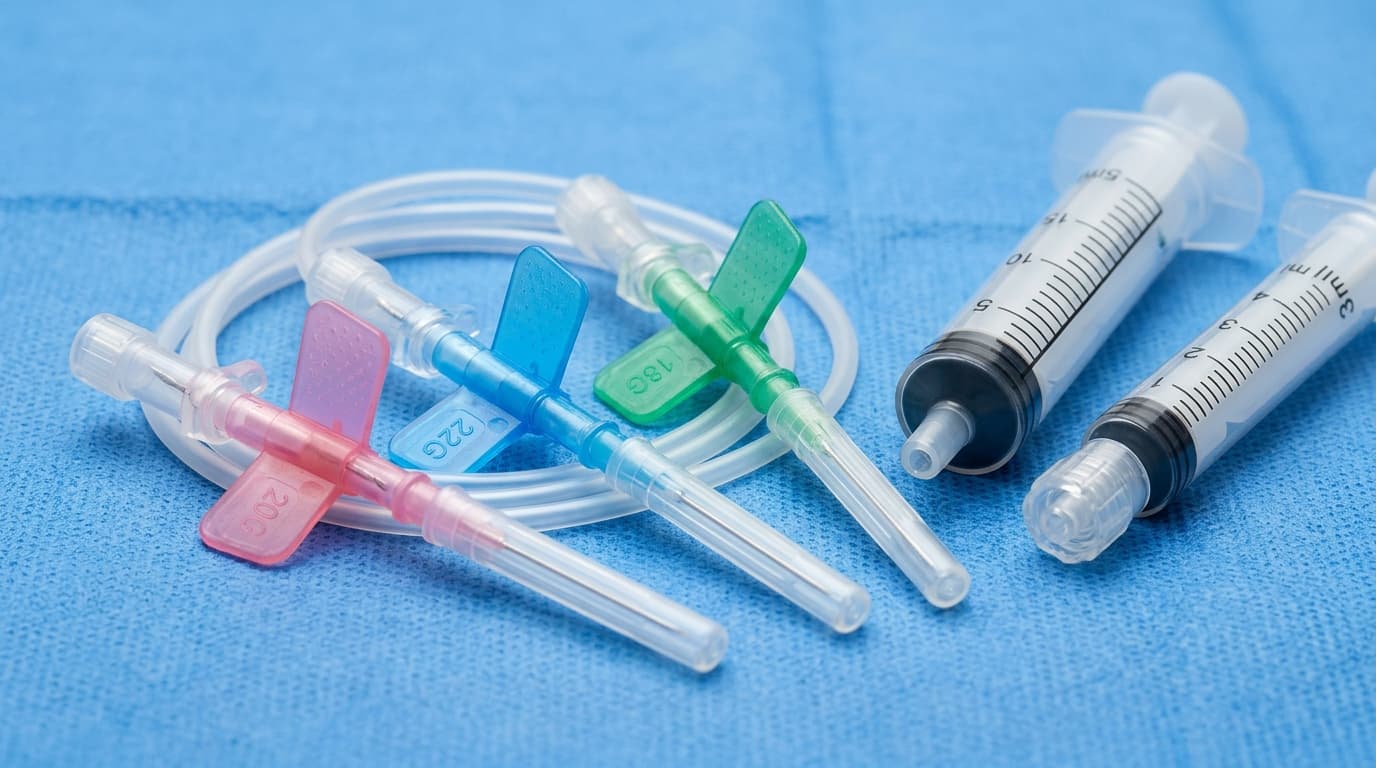
A clinical engineering guide on selecting high-grade disposable hypodermic syringes, needles, and IV cannulas for hospital supply chains.
How order volume shapes pricing — and how to plan a first import that is easy to scale.

A step-by-step mathematical landed-cost calculation framework for CFOs, buyers, and import directors purchasing medical consumables from India.