Export Guide

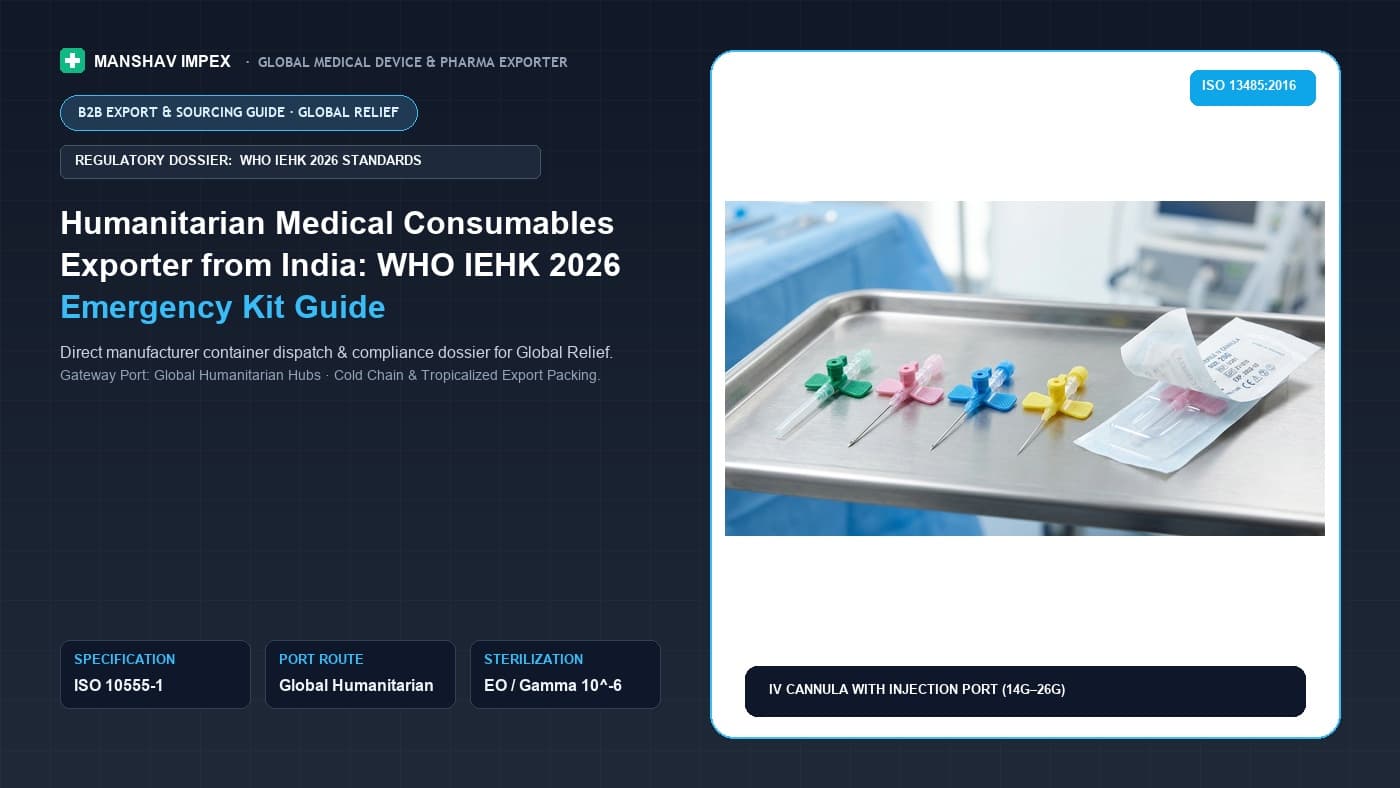
Humanitarian Medical Consumables Exporter from India: WHO IEHK 2026 Emergency Kit Guide

During humanitarian emergencies, armed conflicts, and catastrophic natural disasters, local healthcare infrastructure and commercial supply chains collapse simultaneously. For multilateral relief agencies including UN agencies (UNICEF, WHO, UNHCR), the International Committee of the Red Cross (ICRC), Doctors Without Borders (MSF), and global NGOs, rapid response depends on standardized pre-packed emergency medical modules. The primary global benchmark is the Interagency Emergency Health Kit (IEHK 2024/2026 standards), designed to meet the priority healthcare needs of 10,000 displaced persons for approximately 3 months. Indian manufacturers play a pivotal role in supplying the non-pharmaceutical medical renewable supplies module. This guide examines the modular packing, tropicalized barrier protection, and logistical protocols essential for humanitarian medical supply chains.

Humanitarian Medical Consumables Exporter from India: WHO IEHK 2026 Emergency Kit Guide
Key Summary & AI Takeaways

Supplying international relief missions requires specialized pre-packed health kits built to WHO Interagency Emergency Health Kit standards, designed for immediate field deployment.

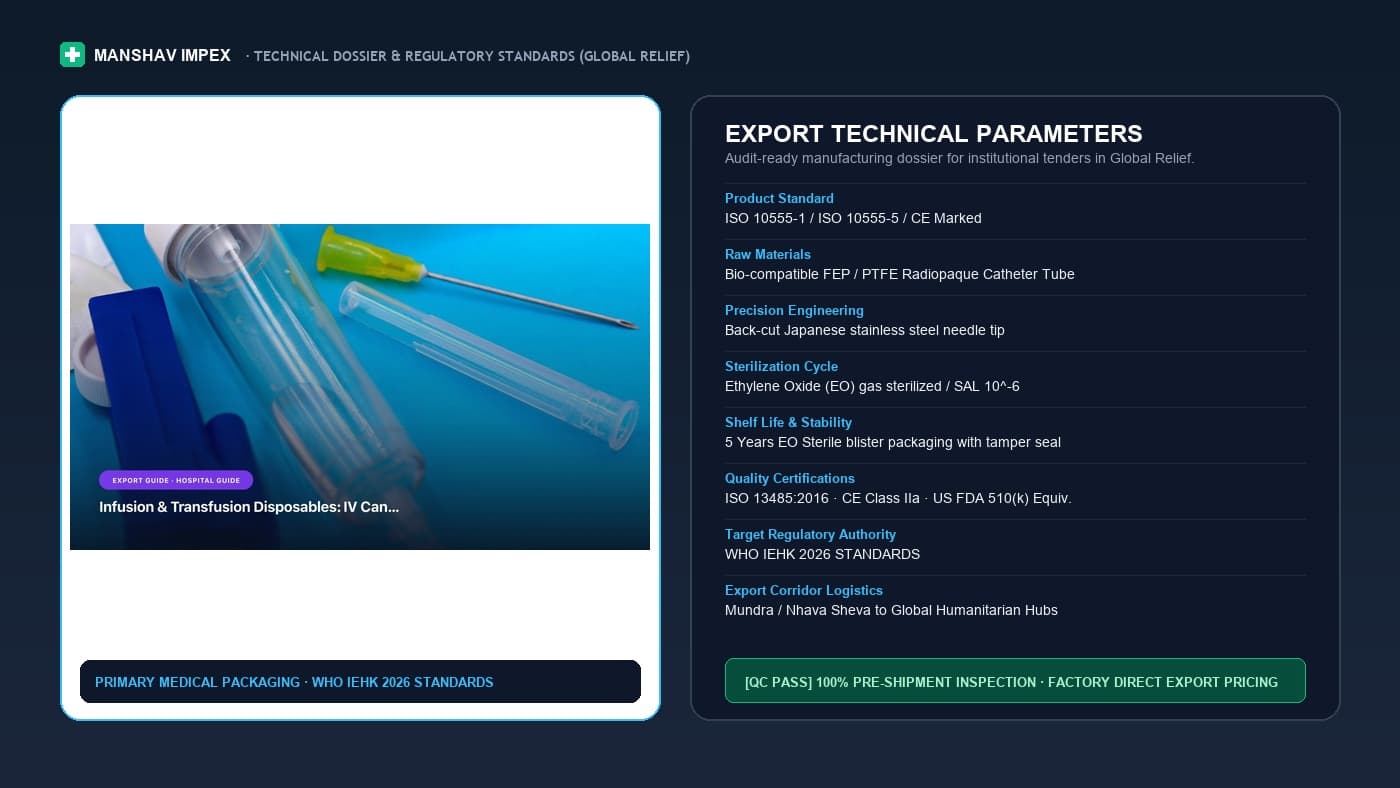
Spec sheet for Humanitarian Medical Consumables Exporter from India
Humanitarian Medical Consumables Exporter from India: export parameters for Global Relief buyers, covering the product standard, raw materials, sterilisation, shelf life and the Mundra / Nhava Sheva to Global Humanitarian Hubs shipping route.

Quick Buyer Summary: Humanitarian Relief Consumables

Supplying humanitarian aid medical kits requires pre-packing standardized medical devices—disposable syringes, surgical scalpels, gauze dressings, sutures, gloves, IV sets, and catheter lines—into heavy-duty, weather-resistant modular shipping cartons. Suppliers must comply with WHO PQS and ISO standards, provide multilingual labeling (English, French, Arabic, Spanish), guarantee a minimum of 80% to 85% remaining shelf life upon shipment arrival, and maintain pre-inspected inventory ready for immediate charter airfreight or ocean container dispatch.

IEHK Kit Architecture: Basic vs Supplementary Renewable Modules

The WHO IEHK is organized into two distinct structural tiers to enable efficient decentralization in the field:

IEHK Module TierIntended Healthcare LevelTarget Population & DurationCore Medical Consumables Included
Basic Unit (10 Units per Kit)Primary Health Post / Mobile Clinic (Non-physician health workers)1,000 persons for 3 months (x 10 = 10,000 persons total)Examination gloves, adhesive bandages, gauze swabs, 2ml & 5ml syringes, cord clamps, alcohol pads, scalpel blades
Supplementary Unit (Equipment & Renewable)District Hospital / Emergency Surgical Field Unit (Physicians)10,000 persons for 3 months (Specialized surgical care)Surgical gloves, IV cannulas (18G–24G), infusion sets, absorbable & non-absorbable sutures, Foley catheters, urine bags, endotracheal tubes
Trauma & Surgical Kit (TESK)Surgical Operating Theatre / Forward Surgical Teams100 severe trauma surgeries per moduleLap sponges with X-ray thread, surgical drapes, skin staplers, bone wax, suction tubes, chest drain catheters
Cholera / Diarrheal KitCholera Treatment Centers (CTC)100 severe inpatient patients + 400 outpatientsRinger's lactate infusion sets, scalp vein sets, IV catheters, chlorine test strips, personal protective equipment

Packaging Engineering for Austere Environments

Humanitarian medical cargo frequently sits on open airstrips, unpaved border crossings, and unventilated warehouse compounds under ambient temperatures exceeding 45°C and 90% relative humidity. Standard commercial paper cartons fail under these conditions:

  • Corrugated Specifications: Heavy-duty 5-ply or 7-ply double-wall corrugated cartons with water-resistant kraft outer liners and edge-crush test (ECT) values exceeding 44 lbs/in.
  • Internal Moisture Barrier: Heavy-gauge heat-sealed polyethylene poly-liners inside each master carton preventing rain and humid air infiltration.
  • Color-Coded Outer Labeling: Distinct color-coded bands and standardized pictograms on all four sides of each carton, allowing warehouse personnel to instantly identify modules without opening boxes.
  • Weight Limitation: Strict maximum carton gross weight of 20 kg to 25 kg to allow manual offloading in areas without forklift machinery.
Logistical Readiness: Multi-Modal Staging from Western India

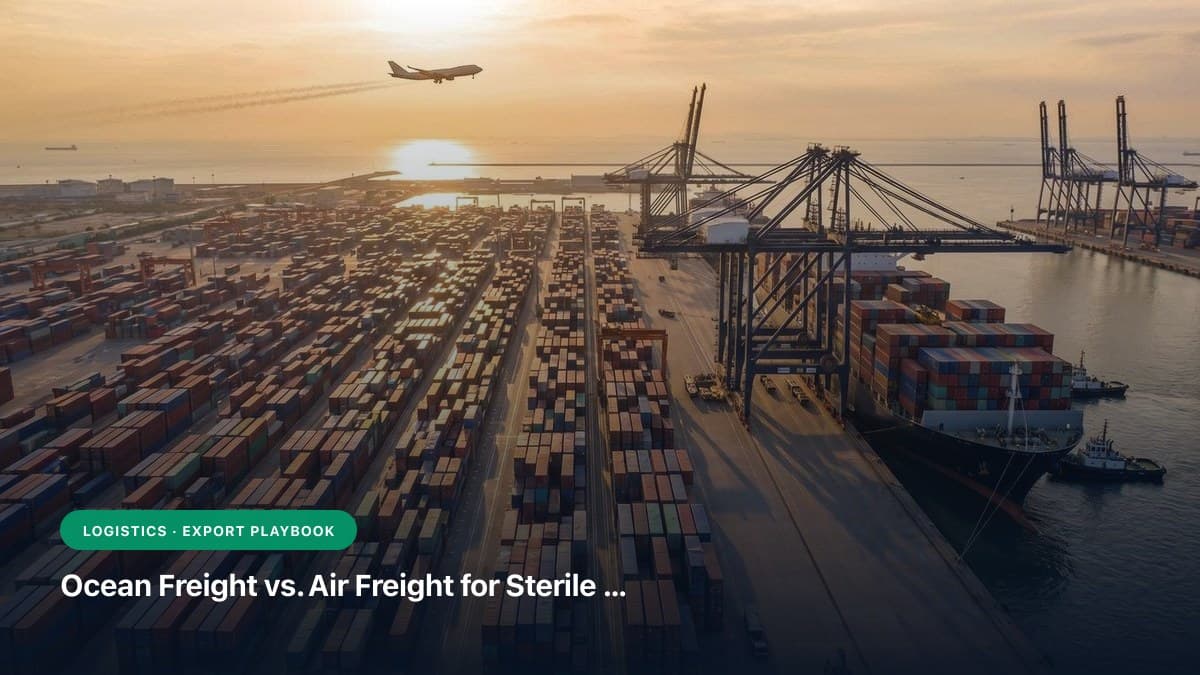
From manufacturing facilities in Gujarat, humanitarian shipments can be airfreighted from Ahmedabad or Mumbai International Airports within 24–48 hours for immediate disaster relief, or loaded in 20ft/40ft containers at Mundra or Nhava Sheva for ocean routing to key humanitarian corridors like Mombasa, Port Sudan, Djibouti, and Mersin.

Partner with Manshav Impex for reliable, rapid-response institutional medical supplies, complete kit packaging, and pre-shipment inspection compliance.
Request Humanitarian & NGO Tender Quotations
🏭 Export Sourcing DeskIndian Manufacturer & Exporter — Vetted Factory Network
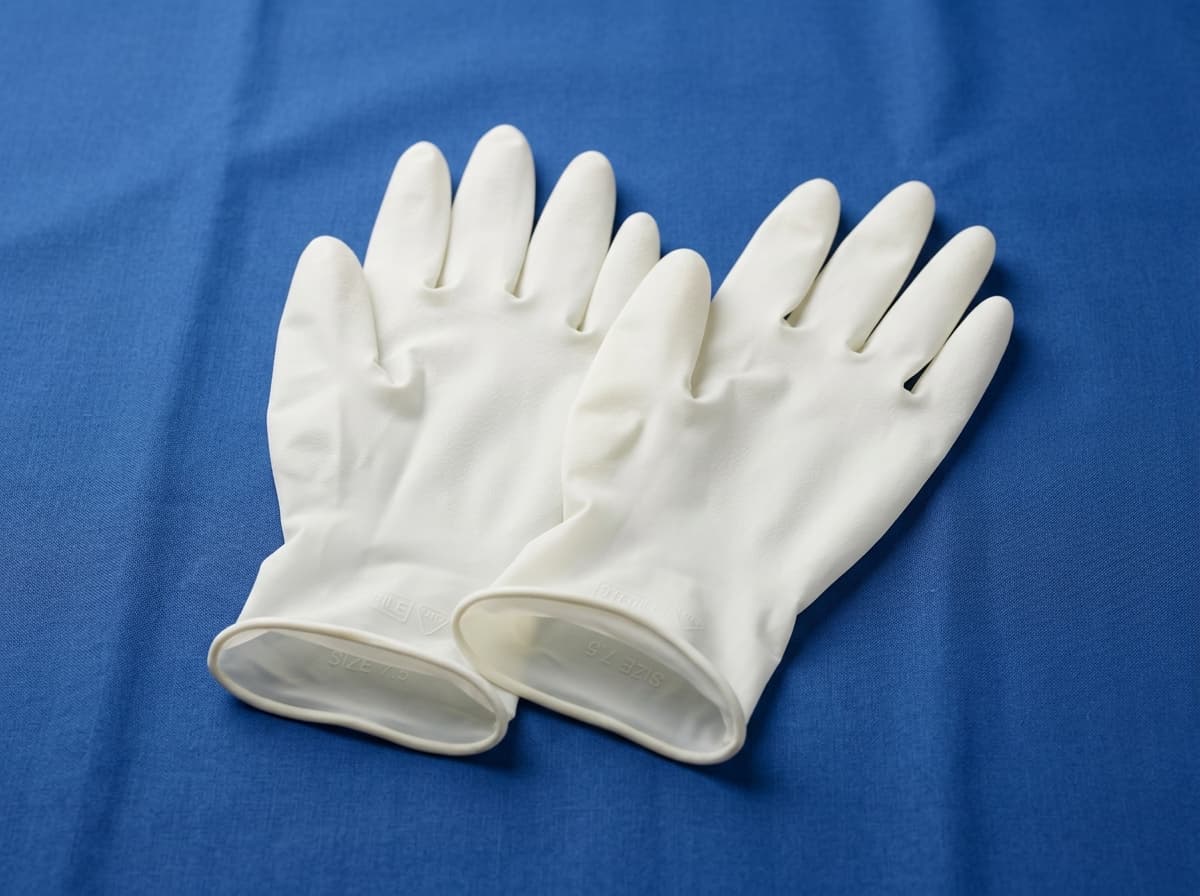
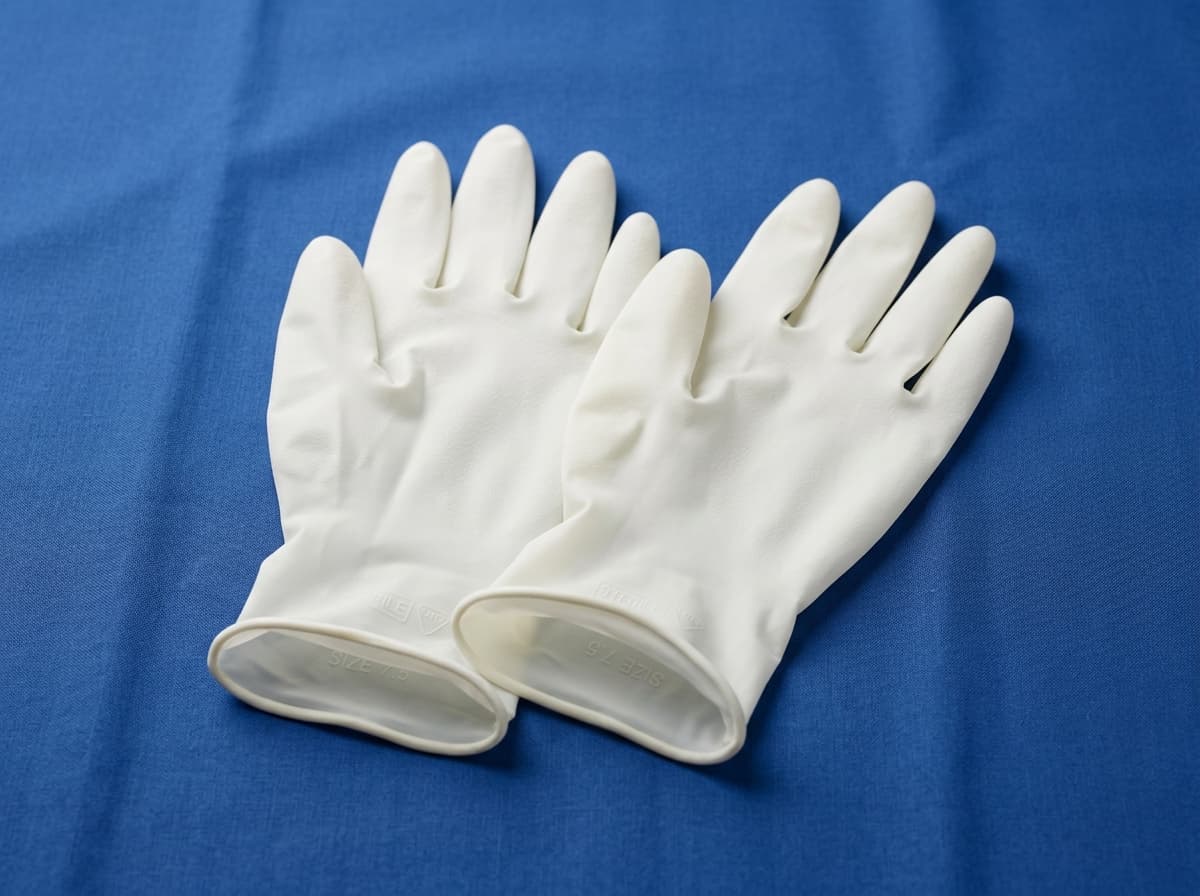
Sterile Latex Surgical Gloves (Powdered & Powder-Free) manufacturer India

Sterile Latex Surgical Gloves (Powdered & Powder-Free)

Pre-donned sterile natural latex surgical gloves with curved anatomical fingers, micro-textured anti-slip finish, beaded cuff, available in powdered and powder-free polymer coated grades. Container consignments dispatched from Port Mundra & Port Nhava Sheva, with certificates and test reports shared with every quotation.

Made to CE MDRMade to ISO 13485Made to EN 455Made to ASTM D3577MOQ: 50,000 pairs

Frequently asked questions

What documentation is required by UN agencies for humanitarian medical shipments?

Standard documentation includes Commercial Invoice, detailed Packing List segregated by module, Certificate of Analysis (CoA) for each batch, Certificate of Free Sale (CFS), ISO 13485 certification, and independent pre-shipment inspection certificates (SGS, Bureau Veritas, or Cotecna).

What is the minimum remaining shelf life required by humanitarian procurement policies?

Most international humanitarian procurement protocols (WHO, ICRC, ECHO) mandate that sterile medical consumables have a minimum of 80% to 85% of their total shelf life remaining at the time of delivery to the destination country (typically at least 4 years on a 5-year validated product).

Can custom kits be designed for specific disaster responses?

Yes. Manshav Impex works with international NGOs to engineer bespoke kit configurations, tailoring specific quantities of wound care supplies, surgical consumables, and PPE to match exact emergency field budgets and regional injury profiles.

How are dangerous goods or flammable items handled in medical kits?

Flammable items like alcohol prep pads or antiseptic liquids are packed in dedicated UN-approved dangerous goods (DG) secondary cartons with proper IATA / IMDG hazard class labeling, segregated from non-dangerous consumables.

Sharmil Mangukiya (Founder & MD)

Sharmil Mangukiya is the founder and managing director of Manshav Impex, an Indian manufacturer & exporter of medical disposables serving importers, distributors, hospitals and governments in 48+ countries since 2019.

Chat with us