
Logistics

Thermal Spikes and Container Humidity in Ocean Transit: Preventing Degradation in Medical Disposables

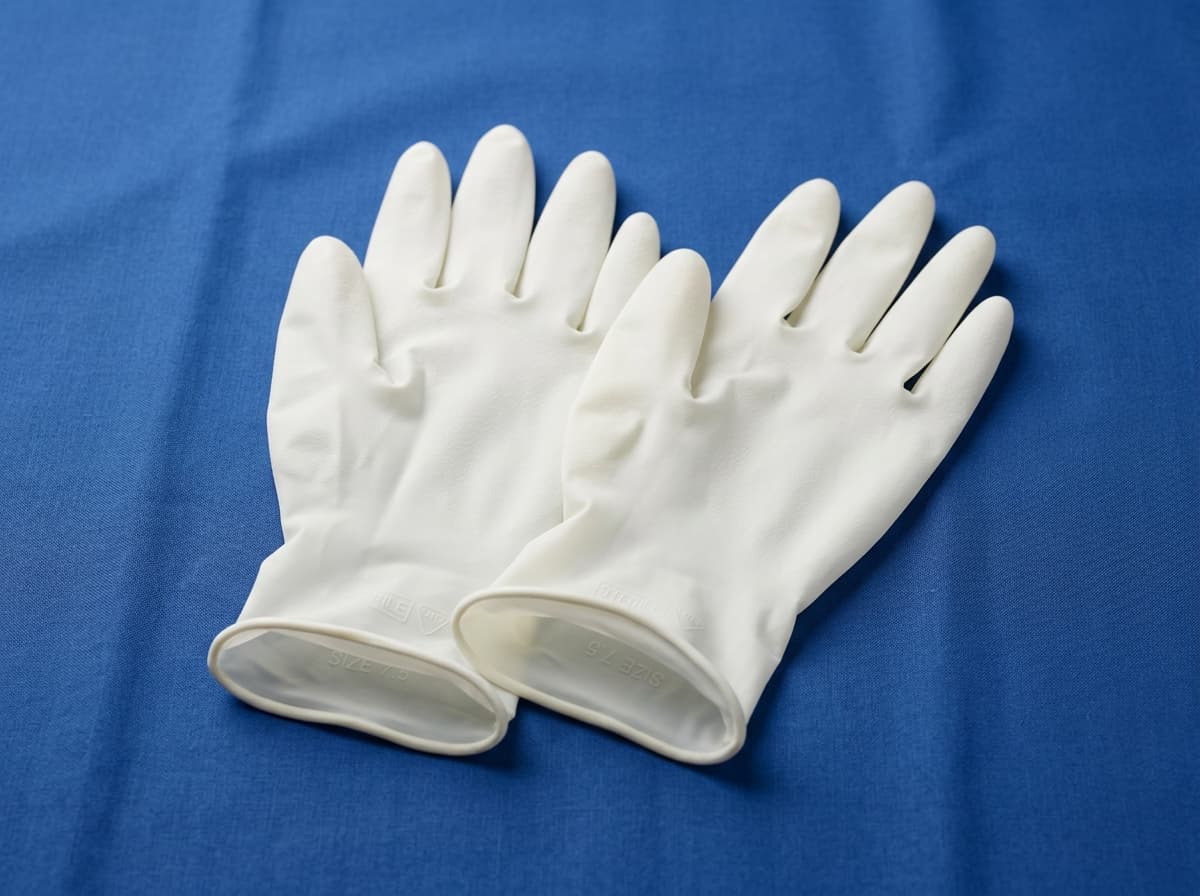
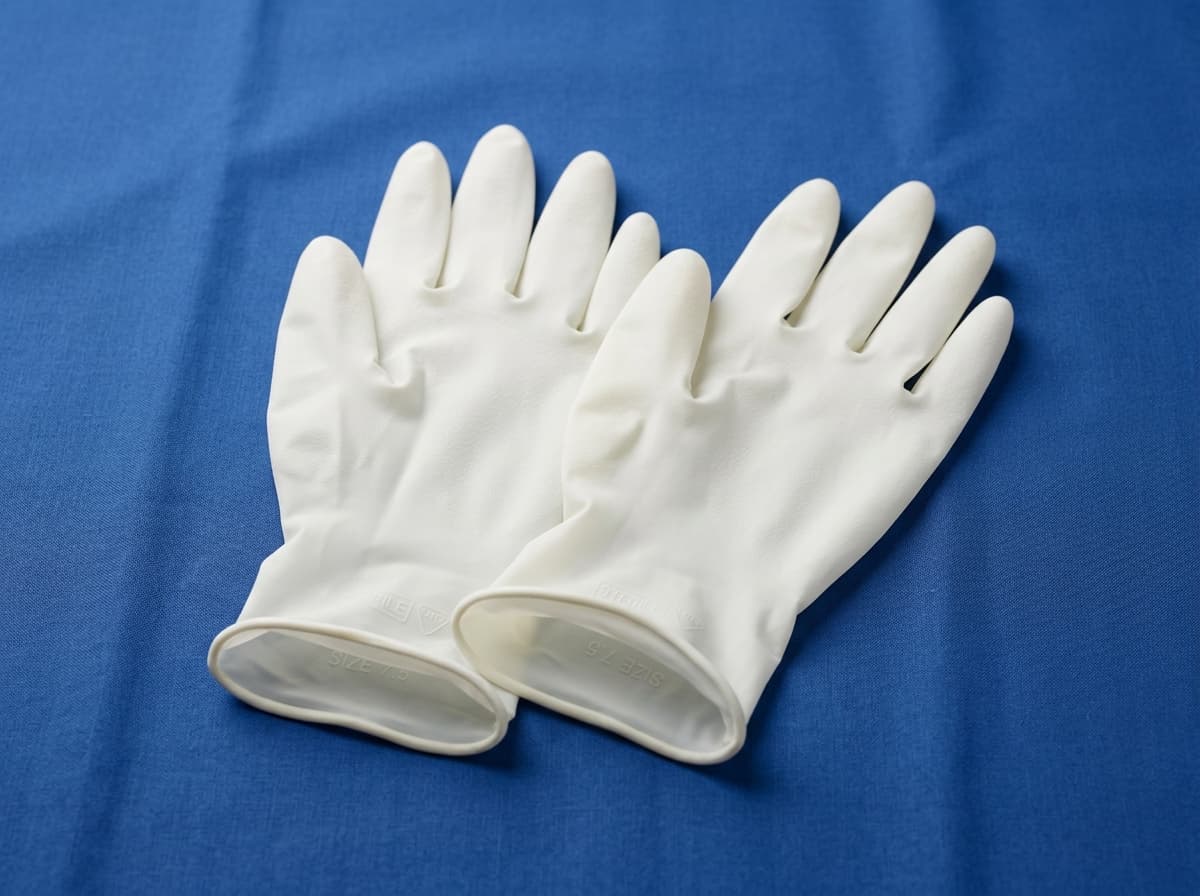
When an ocean container of sterile medical disposables arrives at an import warehouse, receiving teams frequently identify non-conformances that have nothing to do with factory assembly lines: outer corrugated cartons are bowed and soft; natural rubber latex examination gloves are fused together into a solid block ('blocking'); medical tubing has taken a permanent compressed kink; and syringe plungers exhibit high breakaway resistance. These defects are the direct result of thermal abuse and container rain during maritime transit. Understanding polymer physics and applying protective export packaging prevents these costly transit losses.

Thermal Spikes and Container Humidity in Ocean Transit: Preventing Degradation in Medical Disposables
Key Summary & AI Takeaways

Technical logistics and packaging guide on preventing container rain, latex glove blocking, syringe silicone migration, and packaging seal failure during ocean freight.

Ocean Container Thermal Insulation and Calcium Chloride Desiccant Poles
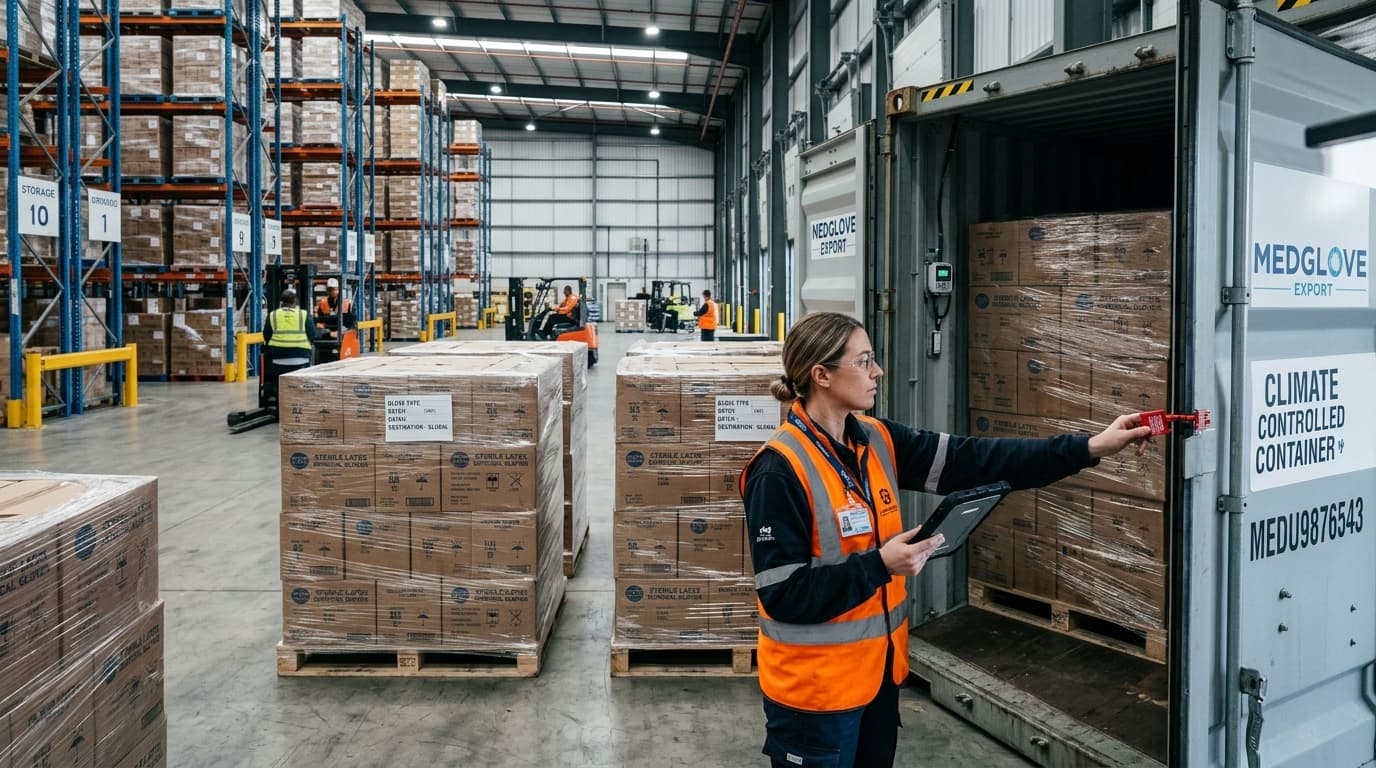
Export container equipped with reflective thermal insulation liners and high-absorption calcium chloride desiccant poles protecting medical cargo.
Container Rain Countermeasure: High-Absorption CaCl2 Desiccants

Standard silica gel packs fail on ocean voyages. We equip export containers with calcium chloride poles that absorb up to 300% of their weight in moisture, trapping it as non-leaking gel. Learn about our shipping and logistics standards or request export packaging specifications.

The Physics of Damage: How Heat Degrades Medical Consumables

During tropical ocean voyages, container internal temperatures fluctuate between 20°C and 65°C with humidity exceeding 90%. In latex gloves, heat induces secondary cross-linking causing gloves to melt together ('blocking'). In 3-part syringes, heat drops silicone oil viscosity, causing lubricant to pool at the bottom and drying the upper rubber piston, resulting in erratic plunger stick-slip motion in clinical use.

Mitigating Container Rain: Desiccants, Liners, and Below-Deck Stowage

To prevent carton crushing and packaging seal micro-channeling without paying high refrigerated reefer rates, exporters implement three passive protection layers: hanging calcium chloride desiccant poles, multi-layer reflective thermal foil roof blankets, and requesting 'Stow Below Deck' on the ocean carrier bill of lading to shield cargo from direct equatorial solar radiation.

Medical Consumable LineTransit Risk FactorClinical ConsequencePreventive Export Protocol
Latex Surgical GlovesSustained heat (> 40°C) + humidityFused gloves (blocking); micro-tearsMoisture-barrier inner poly liners; below-deck stowage
3-Part SyringesThermal viscosity breakdownSilicone lubricant pooling; plunger stick-slipOptimized silicone grade (1000-12500 cSt); horizontal pack
Sterile Peel PouchesCyclic humidity expansionMicro-channeling along paper peel sealHigh-tack medical paper with wide 10-12mm ribbed seals
Corrugated Master CartonsDew point condensation (container rain)Carton softening; pallet collapse5-ply double-wall kraft board with water-resistant resin
Urine Drainage BagsSoftening of PVC film under loadWelded film sticking; valve adhesionAnti-tack texturing on interior PVC film sheets
A quality inspection conducted inside a climate-controlled factory cleanroom does not guarantee how cargo will look after sitting inside a steel container under the tropical sun at a transshipment hub for ten days. Real quality control includes the shipping environment.

Frequently asked questions

When is it necessary to use a refrigerated (reefer) container?

Standard disposables do not require reefers if properly insulated. Reefers (set at 20-25°C) are reserved for reagents, biologics, or pharmaceutical-coated devices.

How does moisture compromise sterile packaging seals?

Cyclic humidity causes cellulose fibers in medical paper to expand and contract, generating shear stress that causes micro-channeling along peel seals.

What is the difference between burst strength and Edge Crush Test (ECT)?

Burst strength measures puncture resistance; Edge Crush Test (ECT) measures vertical compression strength, which determines pallet stacking capacity.

How many desiccant bags should be placed inside a 40ft container?

For a 40ft High Cube container on a 30-day voyage, guidelines recommend 4 to 6 hanging calcium chloride poles (1.0kg to 1.5kg each).

Can silicone oil migration in syringes be reversed upon cooling?

No. Once silicone pools at the base of the barrel, it will not redistribute evenly upon cooling, leaving the plunger with irregular glide resistance.

Manshav Impex

Manshav Impex is a global exporter of medical devices, surgical consumables and healthcare solutions, serving importers, distributors, hospitals and governments in 48+ countries.

Chat with us