Orthopedic Trauma Implants: Sourcing Titanium vs. SS316L Plates from Precision Indian Plants
A metallurgical and manufacturing guide for orthopedic distributors to source titanium and SS316LVM trauma plates and screws from Indian precision plants.

Argentina possesses an established orthopedic and traumatology healthcare sector. From high-volume public emergency trauma centers in Buenos Aires to private surgical clinics across Córdoba and Rosario, demand for internal fixation implants—specifically anatomical locking compression plates (LCP), cannulated screws, and intramedullary nails—remains strong. Precision Indian orthopedic manufacturing centers operating multi-axis Swiss CNC milling machines produce trauma implants matching international ASTM F136 titanium standards, providing distributors with substantial cost savings under ANMAT regulations.
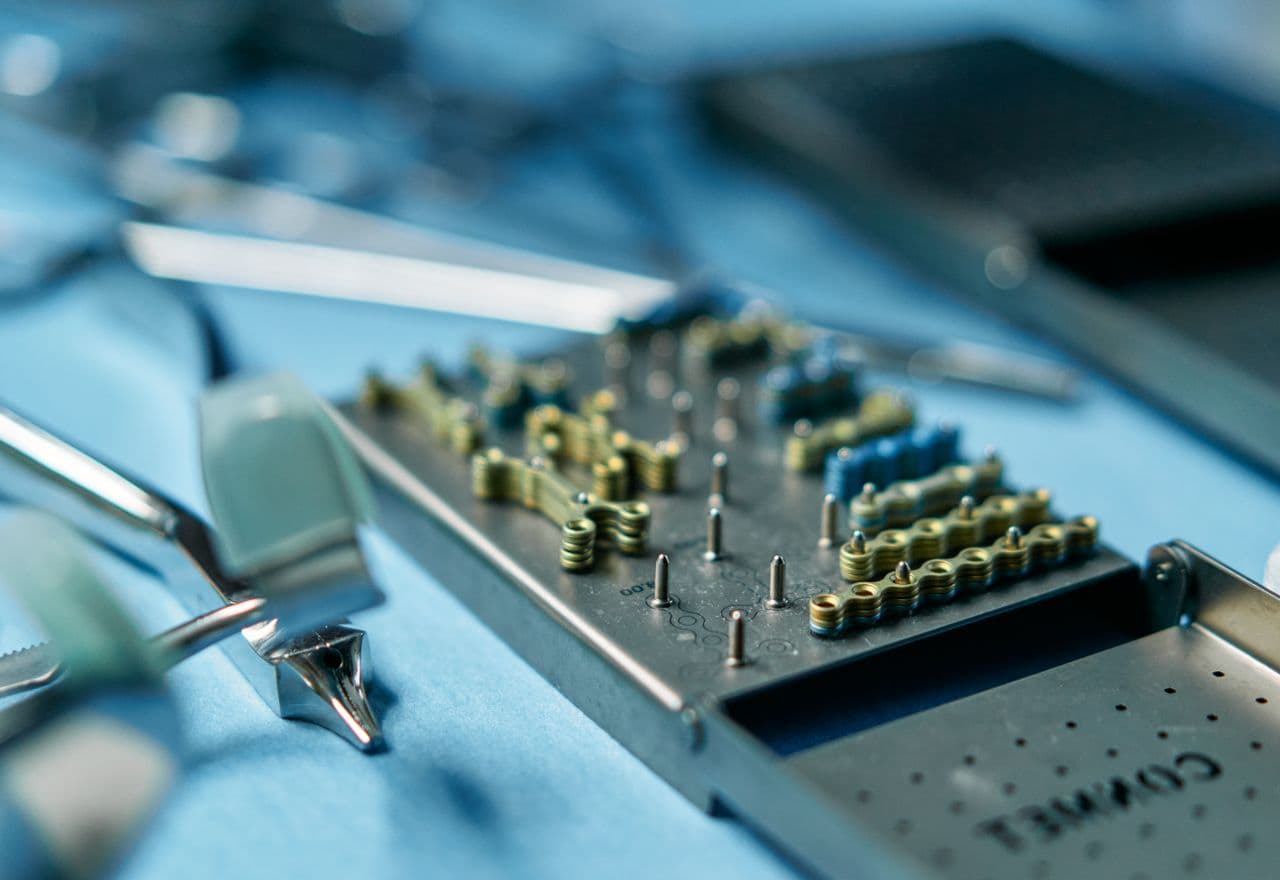
Technical metallurgical and regulatory guide for Argentine orthopedic distributors sourcing precision CNC-machined titanium locking plates conforming to ANMAT BPF.
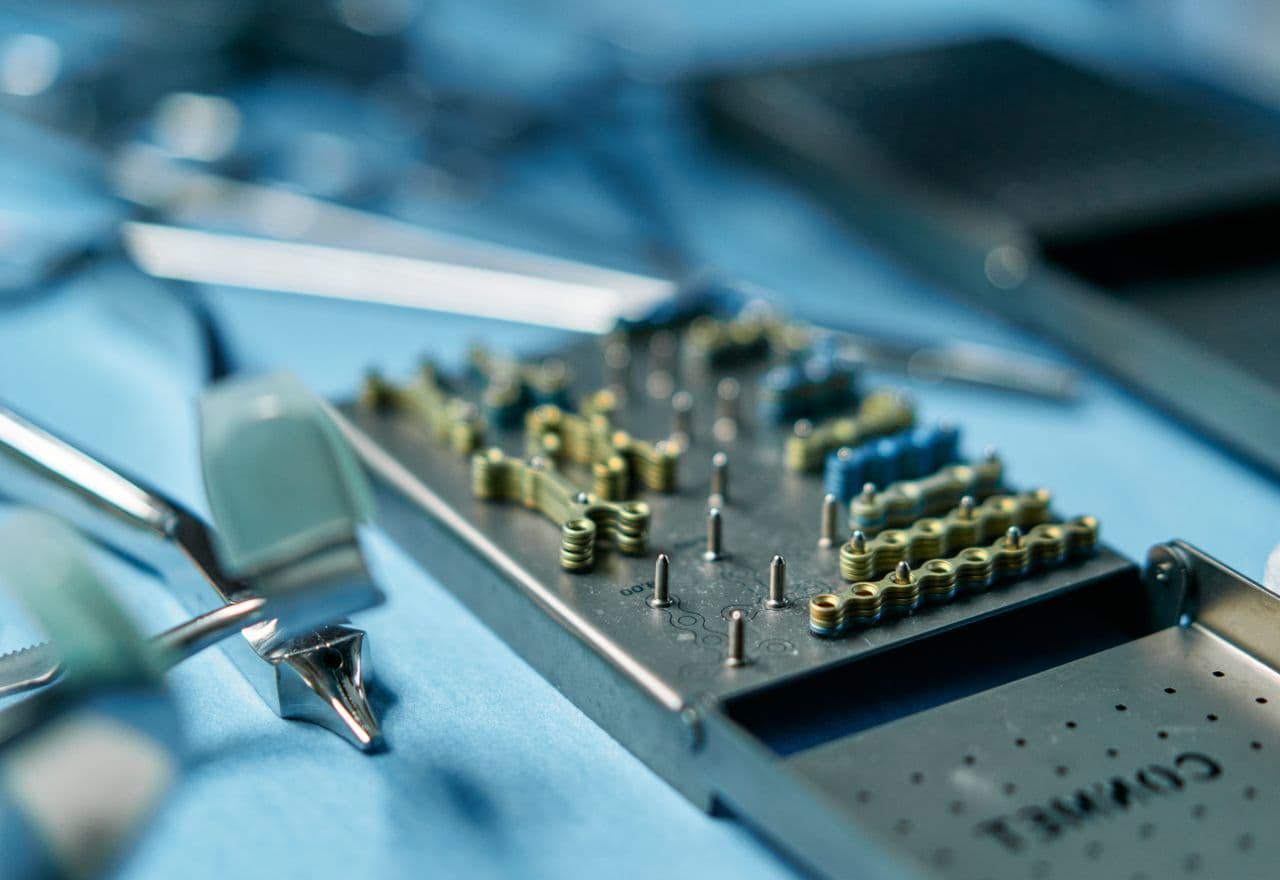
With an elastic modulus of ~110 GPa, our titanium locking plates match human cortical bone flexibility far better than stainless steel (~200 GPa), promoting faster fracture union. Explore our orthopedic implants range or request ANMAT mill test certificates.
Under Disposición ANMAT 3266/2013, permanent bone plates and screws are classified as Clase III/IV (High Risk). Argentine importers must register the products supported by manufacturer Buenas Prácticas de Fabricación (BPF / ISO 13485:2016), certified raw material mill test certificates (MTC), mechanical fatigue testing under ASTM F382, and full biocompatibility data conforming to ISO 10993.
Screws are turned on Swiss-type multi-axis CNC lathes in a single clamping operation to guarantee concentricity between the shank and Star-drive (Torx) recess. Plates undergo automated multi-tank ultrasonic degreasing, nitric acid passivation, and color-coded Type II anodization to build a biocompatible titanium dioxide (TiO2) layer that resists bacterial biofilm attachment.
| Technical Parameter | Ti-6Al-4V ELI Titanium (ASTM F136) | Medical-Grade 316L Stainless (ASTM F138) |
|---|---|---|
| Yield Tensile Strength | >= 795 MPa (High mechanical endurance) | >= 690 MPa (Cold worked) |
| Elastic Modulus | ~110 GPa (Closer to bone ~18 GPa) | ~200 GPa (Stiffer; higher stress shielding) |
| Fatigue Life (ASTM F382) | > 1,000,000 cycles without fracture | High endurance limit |
| MRI/CT Imaging | Non-ferromagnetic; minimal artifact distortion | Produces pronounced ferromagnetic flare artifacts |
| Biocompatibility | Direct osseointegration via stable TiO2 layer | Encapsulated by fibrous tissue barrier |
In orthopedic trauma manufacturing, there is no tolerance for machining chatter or burrs. A microscopic machining ridge inside a screw hole creates a stress concentration point that causes a titanium plate to fail under cyclic patient weight-bearing.
ELI (Extra Low Interstitial / Grade 23) contains lower oxygen and carbon, providing superior ductility and cyclic fracture toughness for surgical implants.
ANMAT requires certified Mill Test Certificates showing spectrographic chemical analysis and mechanical tensile testing traced back to primary titanium melt heats.
Surgeons prefer Torx (Star-drive) recesses over hex drives because Torx distributes torque evenly across six points, preventing screw head stripping in dense bone.
Yes. Implants are commonly exported non-sterile in individual protective blister trays, and sterilized in hospital CSSD autoclaves prior to surgery.
Production takes 25 to 35 days; air cargo to Ezeiza International Airport (EZE) in Buenos Aires arrives in 4 to 6 days transit time.
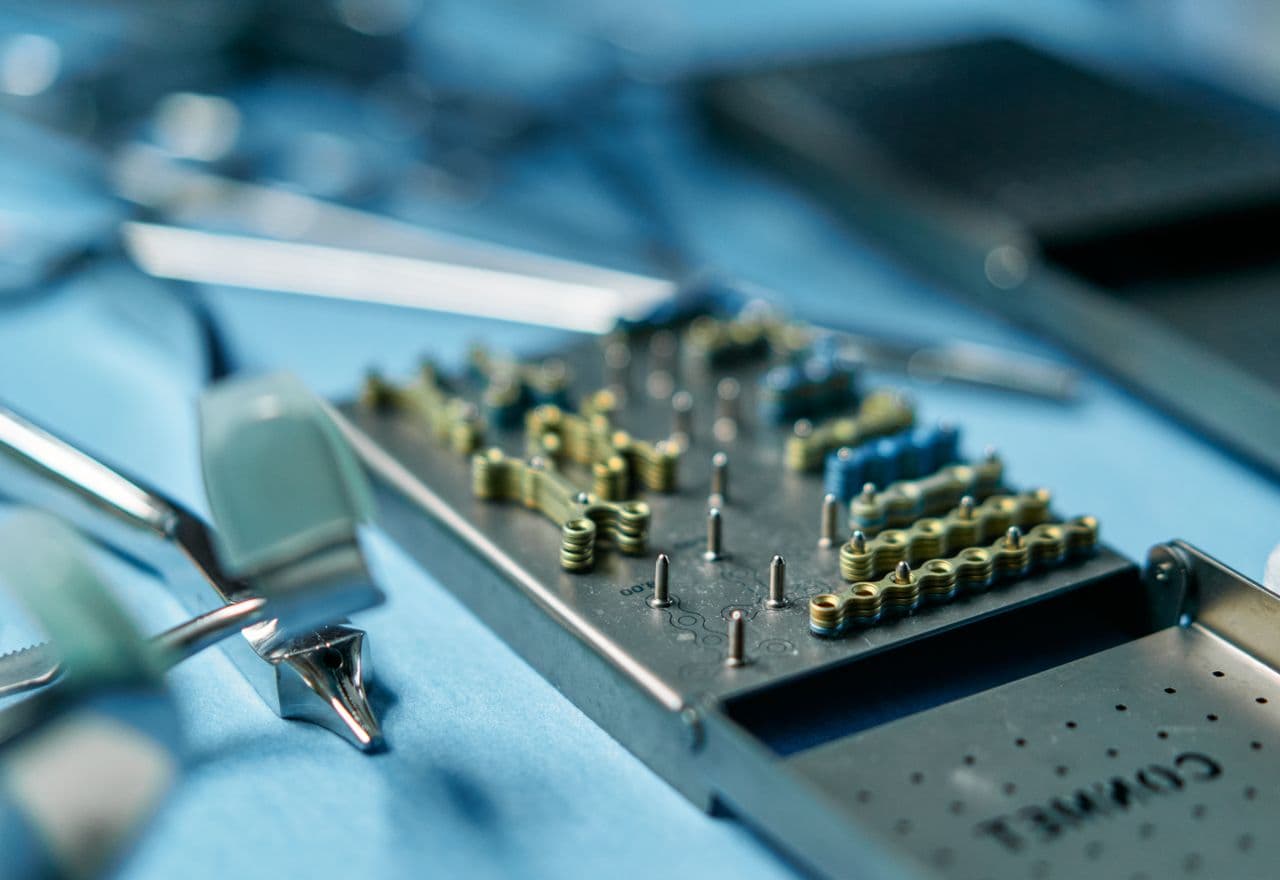
A metallurgical and manufacturing guide for orthopedic distributors to source titanium and SS316LVM trauma plates and screws from Indian precision plants.
Why orthopedic surgeons and hospital procurement teams in emerging healthcare markets are switching to ASTM F136 titanium and ASTM F138 316LVM implants manufactured in India.

Medical Stores Department (MSD) tenders and Dar es Salaam wholesalers require high-clarity medical polypropylene syringes. How to source directly from Indian factories.