Latex vs. Synthetic Polyisoprene vs. Nitrile: Evaluating Surgical Gloves for OR Bids
A clinical and commercial evaluation of latex, synthetic polyisoprene, and nitrile surgical gloves for hospital operating theatre tenders.

Handling cytotoxic antineoplastic drugs (such as Cisplatin, Paclitaxel, Fluorouracil, and Doxorubicin) requires uncompromising physical containment. Healthcare workers and oncology pharmacy technicians face chemical permeation risks that standard medical gloves and basic IV lines cannot mitigate. Sourcing verified chemotherapy-tested nitrile examination gloves and amber light-resistant infusion sets from certified cleanrooms protects hospital staff while preventing drug degradation.
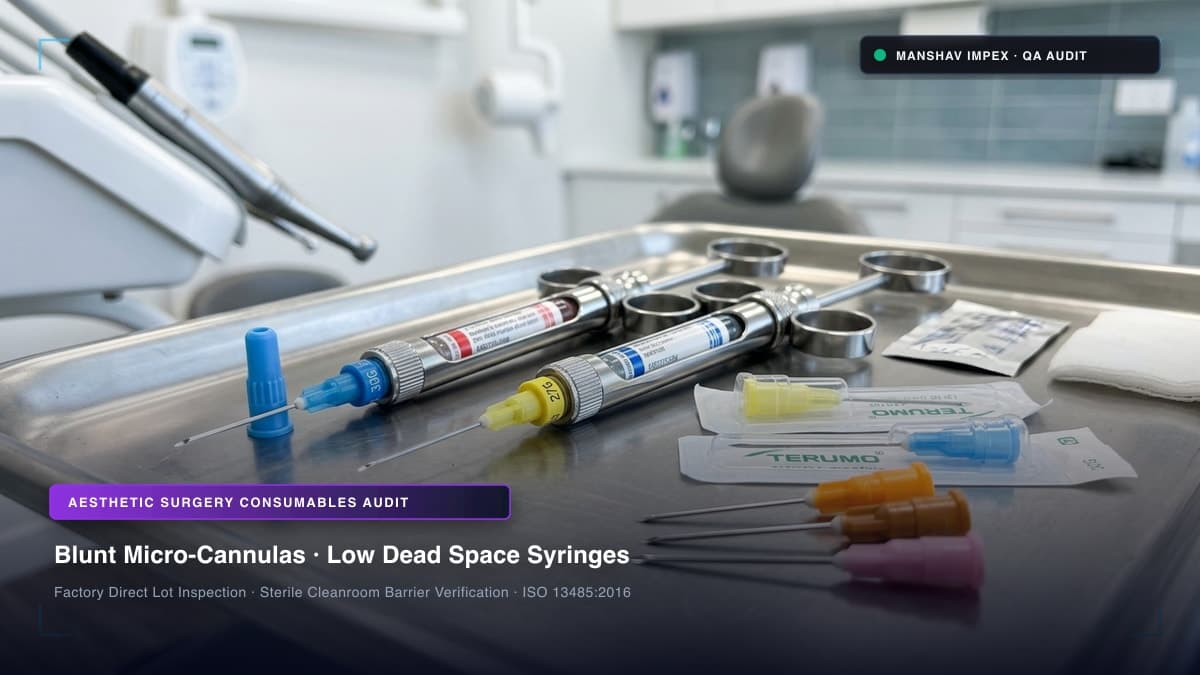
Technical procurement standards for specialized oncology hospital consumables, including ASTM D6978 tested nitrile gloves and UV-protective light-resistant chemotherapy infusion sets.
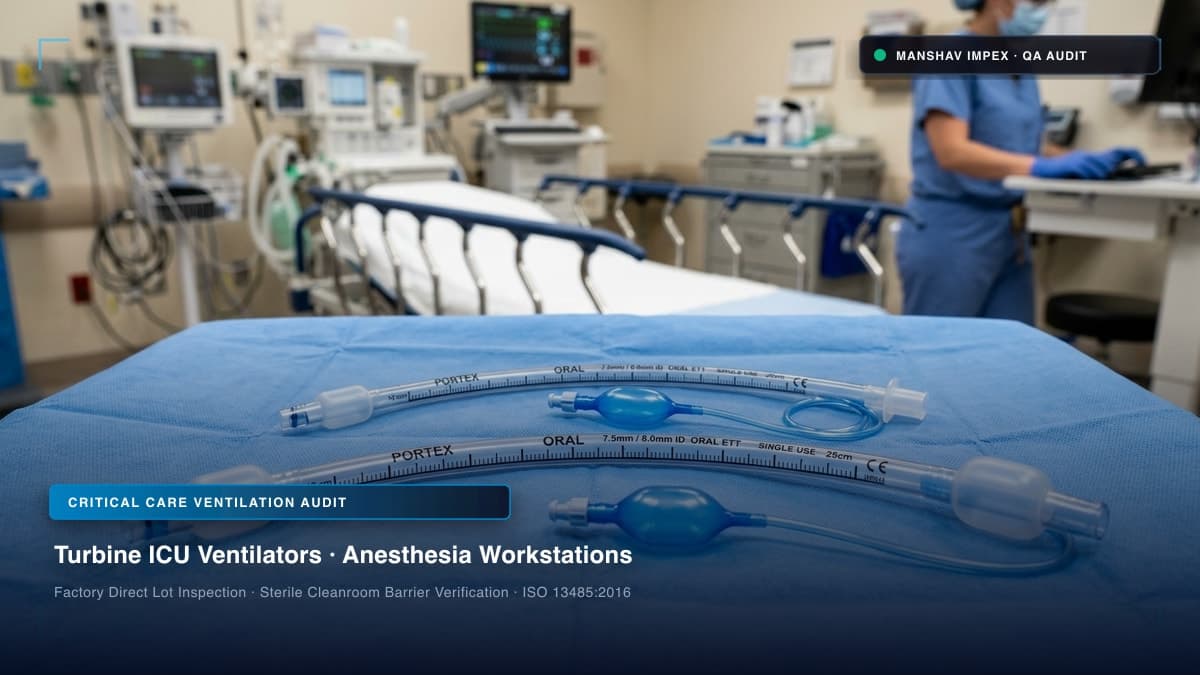
Standard examination gloves tested only to ASTM D6319 or EN 455 do not provide verified barrier protection against hazardous antineoplastic chemicals. Oncology departments mandate ASTM D6978 testing with zero permeation breakthrough across 7+ cytotoxic agents. [Explore our Nitrile Examination Gloves](/products/nitrile-examination-gloves) or [request chemical breakthrough reports](/contact).
ASTM D6978 ('Standard Practice for Assessment of Resistance of Medical Gloves to Permeation by Chemotherapy Drugs') is far more stringent than conventional chemical splash testing. It evaluates continuous permeation resistance over a 240-minute test window against aggressive cytotoxic agents. Oncology-grade gloves feature heavy-weight nitrile compounding (minimum 5.5 to 6.5 mil finger thickness) and extended cuffs (290–300 mm) to overlap securely with protective gown sleeves.
Chemotherapy infusion lines require specialized material formulation. First, tubing must be 100% DEHP-free and phthalate-free, as solvent active ingredients in Paclitaxel and other taxanes actively leach plasticizers out of conventional PVC. Second, light-sensitive drugs require co-extruded amber or black UV-protective tubing that blocks 290–450 nm light wavelengths without impeding visual bubble inspection. Third, closed-system threaded Luer lock connections prevent accidental disconnects and hazardous aerosol release.
| Performance Criterion | Standard General Hospital Consumable | Dedicated Oncology-Grade Consumable (Manshav Impex) |
|---|---|---|
| Glove Permeation Testing | EN 455 water leak test only | ASTM D6978 tested against 9 antineoplastic drugs (>240 min breakthrough) |
| Cuff Length & Coverage | Standard 240 mm wrist length | Extended 290–300 mm forearm cuff for cleanroom gown overlap |
| Infusion Tube Plasticizer | Standard DEHP-plasticized PVC | 100% DEHP-Free / Polyurethane fluid contact pathway |
| UV Light Protection | Clear transparent tubing | Amber light-resistant barrier blocking 290–450 nm ultraviolet rays |
| Air Vent Filtration | Standard cotton or 1.2 µm vent | 0.2 µm hydrophobic PTFE aerosol-blocking vent filter |
In oncology preparation, using conventional medical exam gloves because they look identical to chemo-rated gloves is an occupational safety violation that leaves cancer centers legally and clinically exposed.
ASTM D6978 is the recognized benchmark. It tests continuous chemical permeation against multiple chemotherapy agents over a minimum 4-hour window.
Many chemotherapy formulations contain lipid or alcohol carriers that leach toxic DEHP plasticizers from standard PVC directly into the patient's bloodstream.
They are typically co-extruded in transparent amber or UV-opaque brown to block light degradation while allowing fluid monitoring.
Yes, micro-textured fingertips ensure secure handling of glass ampoules, vials, and syringes inside laminar air-flow hoods.
Yes, every batch is accompanied by Certificate of Analysis (CoA) confirming thickness, tensile strength, and ASTM D6978 test documentation.
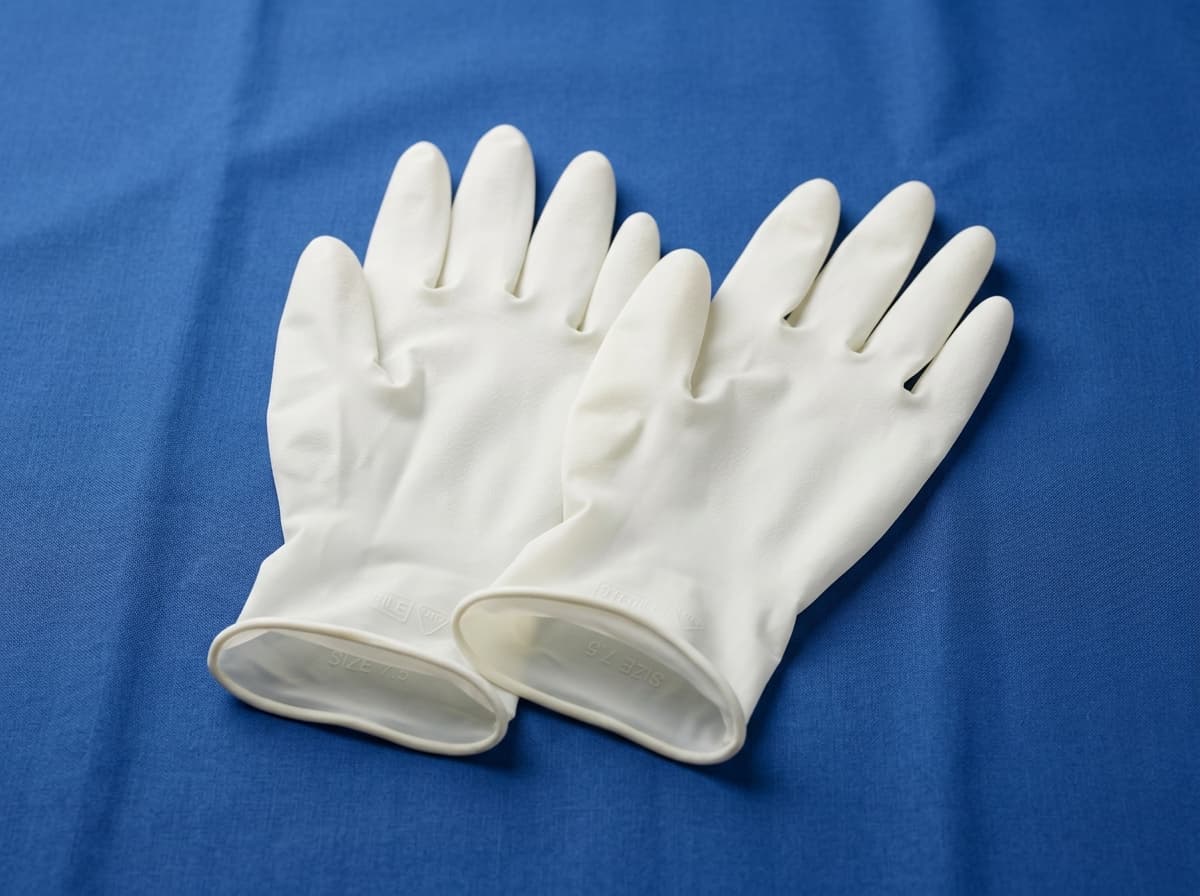
A clinical and commercial evaluation of latex, synthetic polyisoprene, and nitrile surgical gloves for hospital operating theatre tenders.
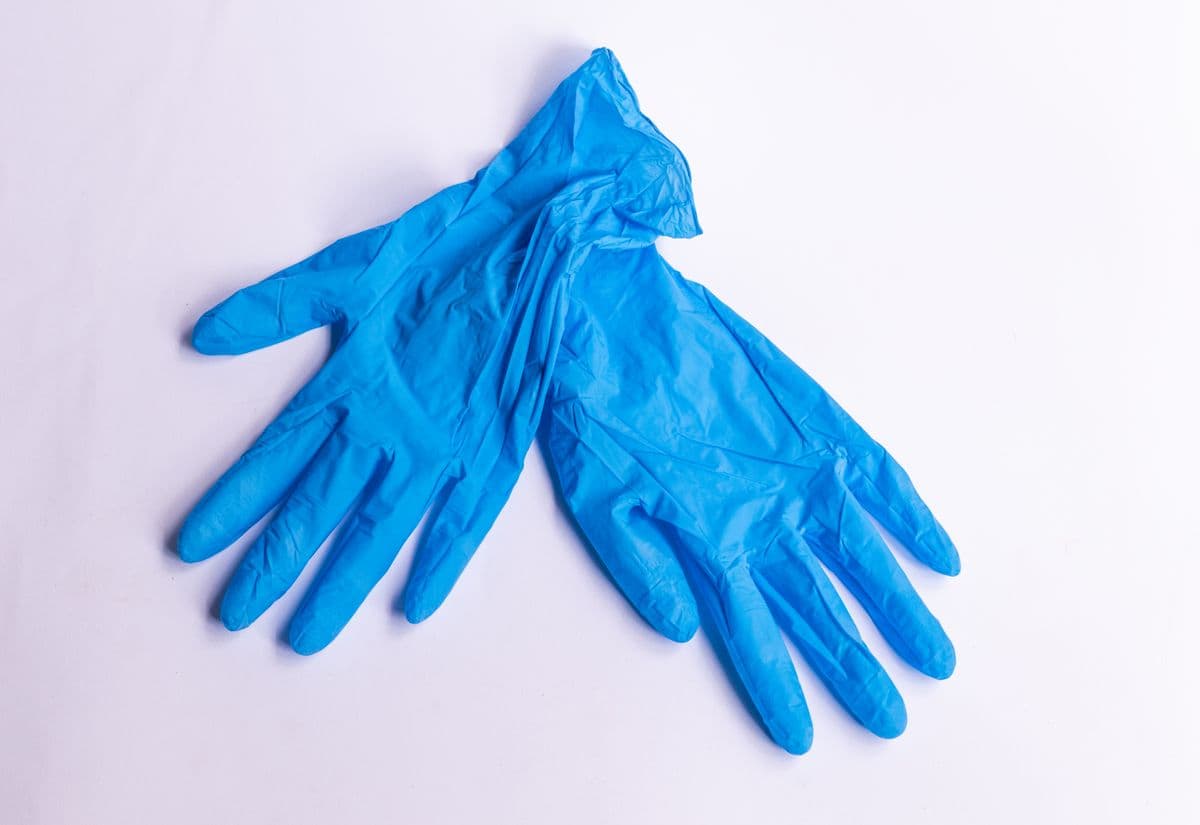
A step-by-step mathematical landed-cost calculation framework for CFOs, buyers, and import directors purchasing medical consumables from India.
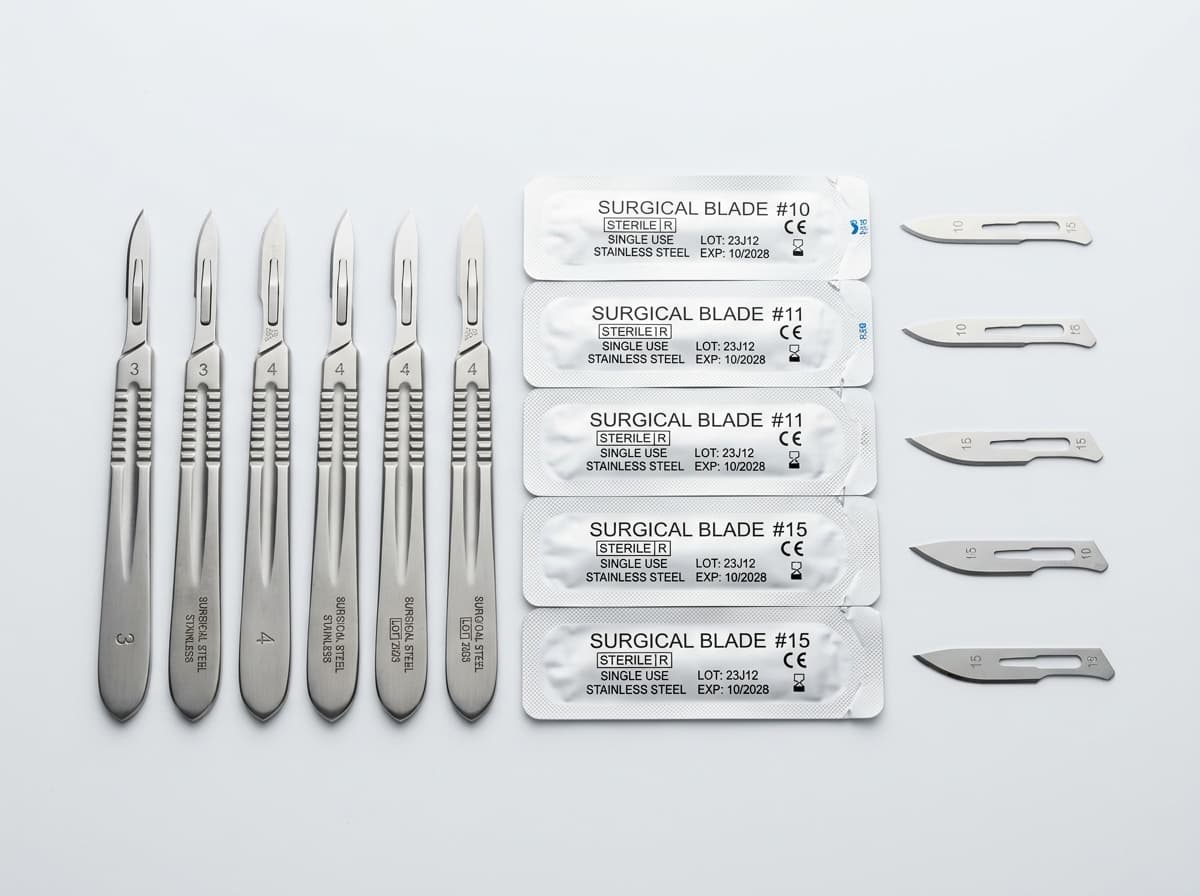
A technical engineering comparison of Ethylene Oxide (EO) and Gamma radiation sterilization methods for exported medical disposables.