Surgical Blades Quality Standards: Carbon Steel vs. Stainless Steel (BS 2982 & ISO 7740)
Carbon steel sharpness vs. Stainless steel rust protection — how to select the right surgical blades for African medical distributors.

In ophthalmic surgery, clinical success hinges on microscopic precision. During cataract procedures such as phacoemulsification and manual small incision cataract surgery (SICS), ophthalmic surgeons feel the slightest blade resistance or tissue drag during corneal tunneling. Sourcing precision microsurgical blades, keratomes, and anterior chamber cannulas from specialized Indian cleanrooms provides eye hospitals and surgical distributors with certified quality at substantial commercial savings.
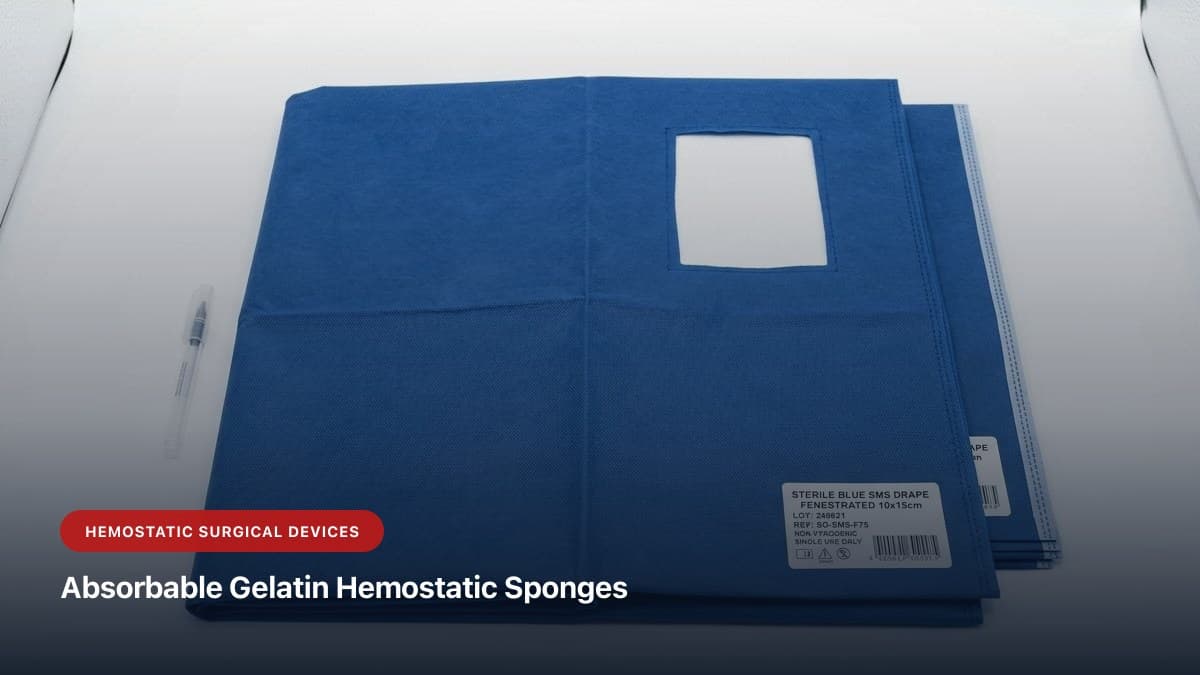
Clinical and procurement guide for ophthalmic surgical centers sourcing micro-blades, slit keratomes, and irrigation cannulas manufactured in ISO 13485 cleanrooms.
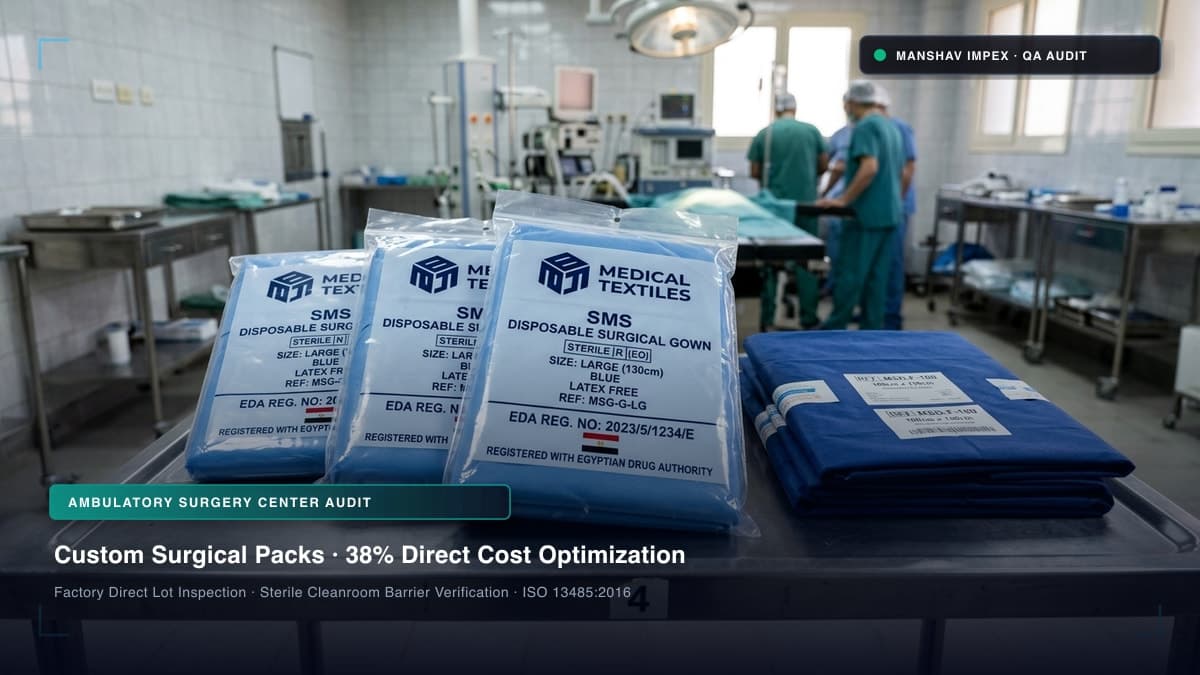
Corneal tunnel architecture requires consistent incision width without lateral ragged tears to ensure self-sealing wound integrity. Standard scalpel blades cannot replicate ophthalmic keratome geometry. [View our precision surgical blades range](/products/sterile-surgical-blades) or [request evaluation samples](/contact).
Ophthalmic microsurgical blades are produced in dedicated cleanrooms using specialized Swedish surgical stainless steel (AISI 420/440A). The primary blade categories include: Stab Blades (15°, 30°, and 45°) for side-port paracentesis; Slit Keratomes (ranging from 1.8 mm, 2.2 mm, 2.4 mm up to 2.8 mm) designed for precise self-sealing clear corneal incisions; and Crescent Blades (2.0 mm round tip) engineered for clean scleral tunnel dissection.
Each blade undergoes diamond-wheel electrochemical grinding and automated micro-siliconization to minimize tissue drag. Cannulas (ranging from 21G to 30G) feature electro-polished rounded tips to prevent accidental puncture of the posterior capsule during hydrodissection or viscoelastic injection.
| Feature | Precision Ophthalmic Cleanroom Blade (Manshav Impex) | Standard General Surgery Scalpel | Low-End Repackaged Micro-Blade |
|---|---|---|---|
| Edge Roughness (Ra) | Ra < 0.05 µm (electropolished & micro-honed) | Ra > 0.18 µm (standard mechanical bevel) | Ra > 0.12 µm (variable grinding quality) |
| Blade Siliconization | Ultrasonic medical-grade silicone misting | Non-siliconized dry steel | Manual dip coating with uneven residue |
| Cannula Tip Polish | Burr-free spherical rounded bullet tip | Standard shear-cut angle | Rough edges liable to damage capsule |
| Packaging Protection | Rigid cradle blister preventing tip blunting | Paper-foil peel pouch with tip contact | Basic flexible blister with freight damage risks |
In anterior segment eye surgery, saving fifty cents on a blade is a false economy if incision drag compromises corneal seal integrity and extends surgical recovery time.
Because microscopic blade tips can easily be blunted during transit, our ophthalmic blades are suspended inside rigid plastic cradles that hold the cutting edge away from the packaging wall. Sealed inside medical-grade Tyvek or film pouches, they undergo validated gamma radiation or ethylene oxide (EO) sterilization with complete batch dosimetric records.
We utilize high-tensile surgical stainless steel (AISI 420 and 440A) with controlled hardness (HRC 54–58) for lasting edge sharpness.
We supply both standalone micro-blades compatible with micro-chucks and disposable pre-mounted ergonomic scalpel handles with protective tip guards.
Each blade is individually sealed in a sterile blister pack, packed 10 blades per inner dispenser box and 500 blades per export shipper.
Yes, we assemble customized ophthalmic cataract packs combining slit blades, paracentesis blades, eye drapes, and hydrodissection cannulas.
Our ophthalmic consumables are manufactured under ISO 13485:2016 and hold CE conformity under European medical device regulations.
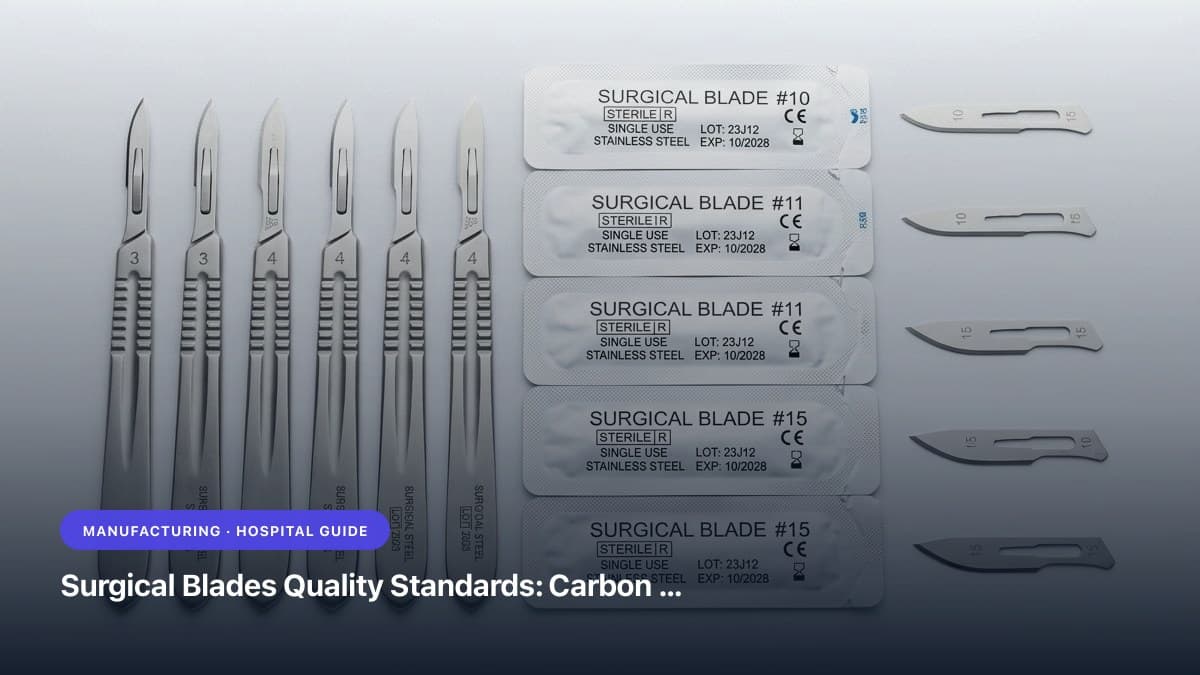
Carbon steel sharpness vs. Stainless steel rust protection — how to select the right surgical blades for African medical distributors.
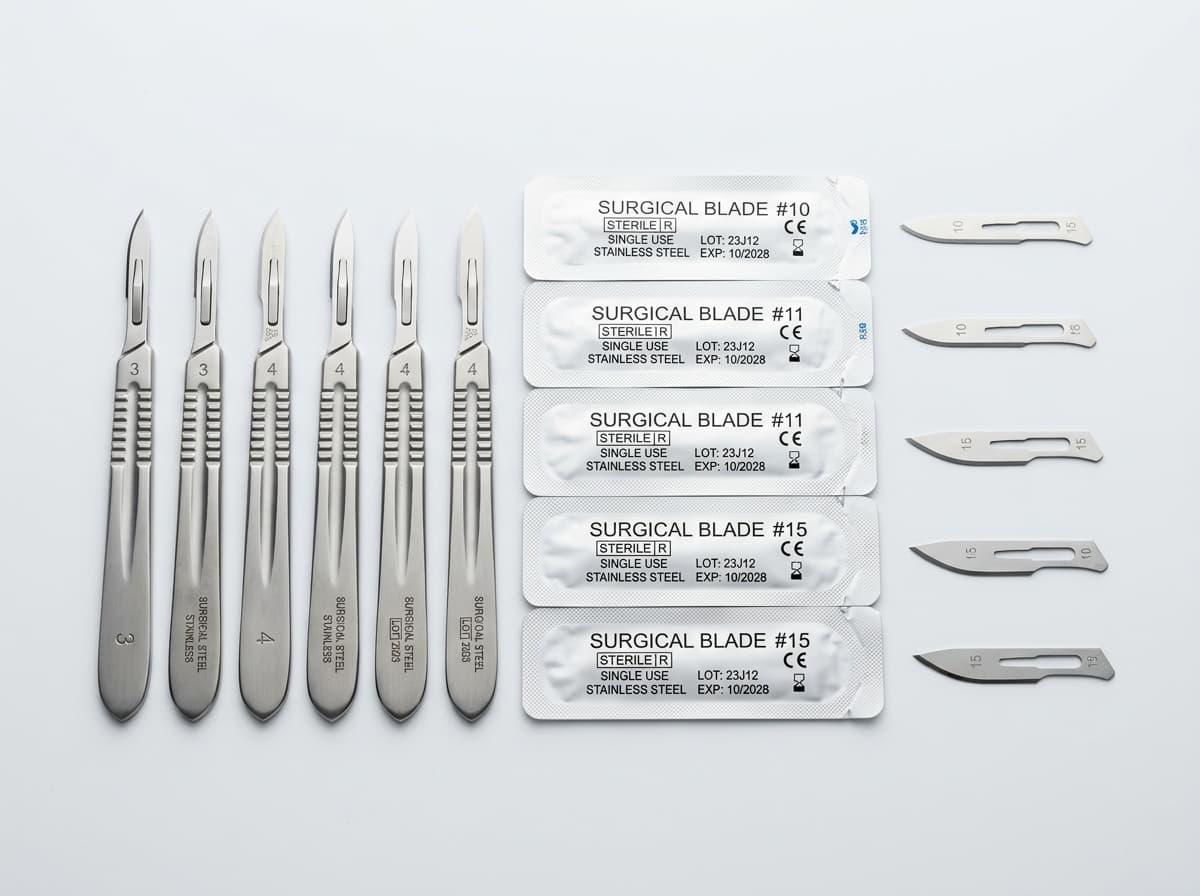
How Thai private hospital networks and aesthetic surgery centers source precision micro-honed surgical blades and safety scalpels from India.
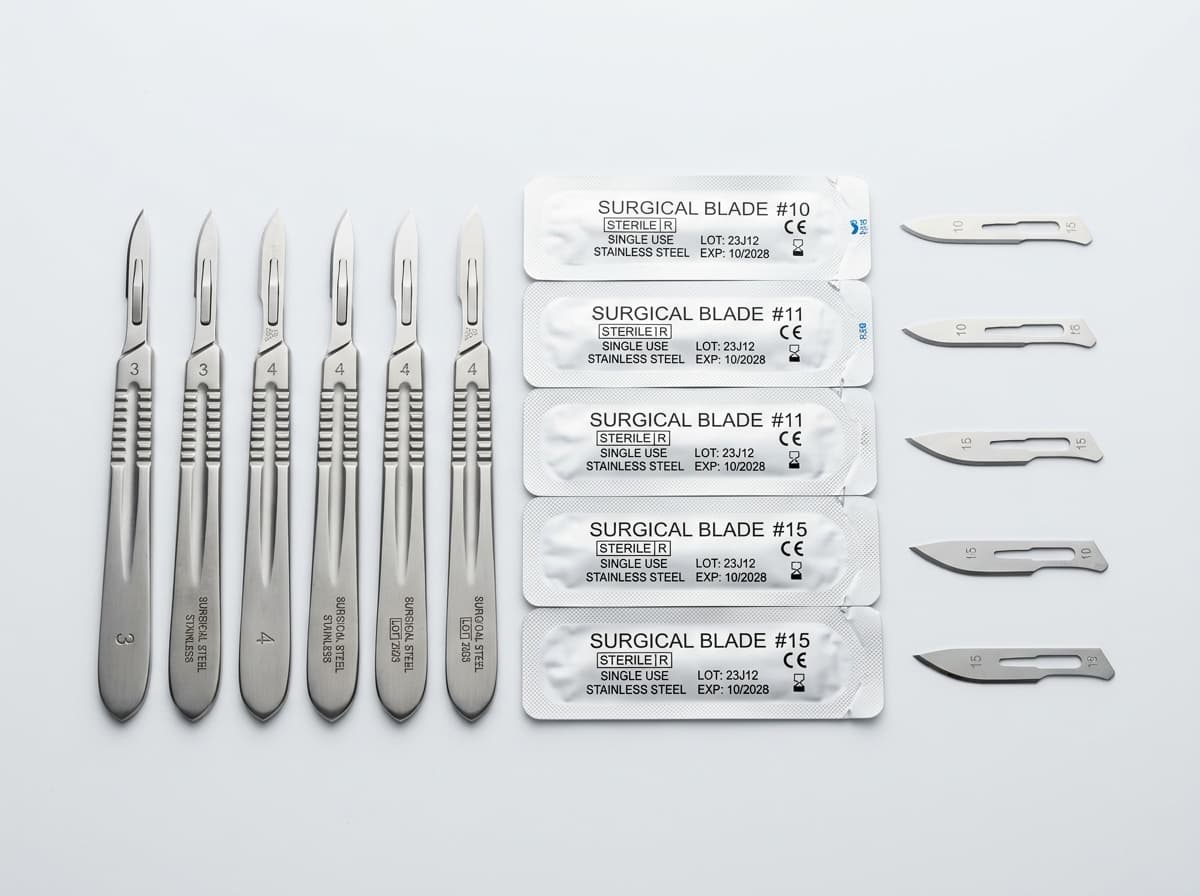
A technical engineering comparison of Ethylene Oxide (EO) and Gamma radiation sterilization methods for exported medical disposables.